

Working Principle and Features of PP Material Conveying System Equipment
PP material conveying system equipment is a specialized device designed to transport polypropylene (PP) materials efficiently and safely in industrial settings. The system typically integrates components such as hoppers, conveyors, and control units to ensure smooth material flow from storage to processing or packaging stages. Understanding its working principle and key features is crucial for optimizing production efficiency and maintaining operational reliability.
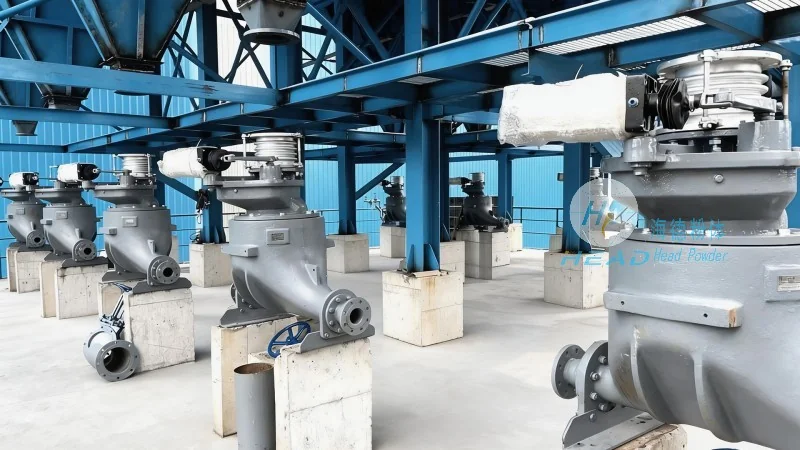
At the core of the PP material conveying system is the material handling mechanism. The process begins with the storage of PP pellets or granules in a hopper, where the material is fed into the conveyor system. The hopper is equipped with a feeding device, often a screw feeder or a rotary valve, which regulates the flow rate of the material into the conveyor. This controlled feeding ensures consistent material supply to the downstream equipment, preventing overloading or underfeeding that could disrupt production.
The conveyor itself is a critical component, responsible for transporting the PP material through the system. Common types of conveyors used in PP material handling include screw conveyors, belt conveyors, and pneumatic conveyors. Screw conveyors utilize a rotating screw to move material along a tube or trough, providing a continuous and reliable transport path. Belt conveyors, on the other hand, use a moving belt to carry the material, suitable for longer distances and larger volumes. Pneumatic conveyors employ air pressure to transport material in a closed system, ideal for handling fine or dusty PP powders.
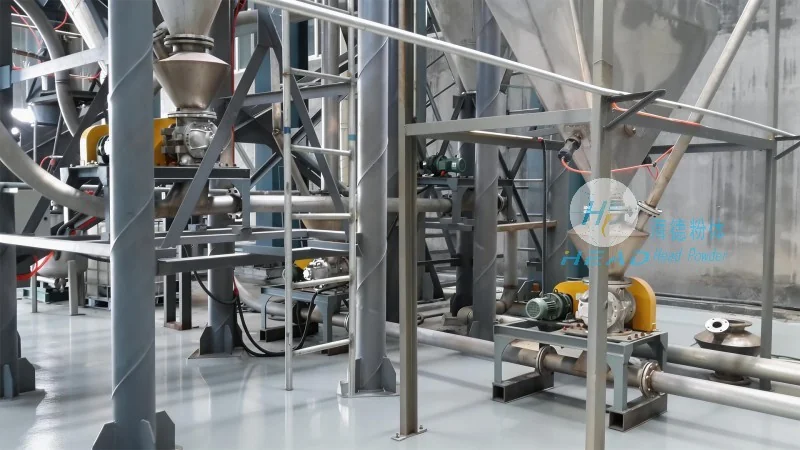
Control systems play a vital role in the operation of the PP material conveying system. These systems monitor and regulate various parameters, including material flow rate, conveyor speed, and pressure levels. Sensors and feedback mechanisms are integrated to detect any deviations from the set parameters, allowing for automatic adjustments to maintain optimal performance. For example, if the material flow rate decreases, the control system can increase the conveyor speed or adjust the feeding rate to restore the desired flow. This automation enhances operational efficiency and reduces the need for manual intervention, minimizing human error and downtime.
One of the key features of PP material conveying system equipment is its adaptability to different material characteristics. PP is a versatile polymer with varying densities and flow properties, depending on factors such as moisture content and particle size. The conveying system is designed to handle these variations effectively. For instance, the screw feeder can be adjusted to accommodate different material densities, ensuring consistent feeding even when the material properties change. Additionally, the system may include features like material drying or conditioning to improve flowability, especially for hygroscopic PP materials that absorb moisture from the air.
Another important feature is the system's durability and resistance to wear. PP material handling involves abrasive particles and high-temperature environments, which can cause wear on the conveyor components. The equipment is constructed with high-quality materials, such as stainless steel or wear-resistant alloys, to withstand these conditions. The hopper and conveyor troughs are often lined with protective materials to extend their service life. Regular maintenance, including lubrication and inspection of wear parts, is recommended to ensure the system operates reliably over extended periods.
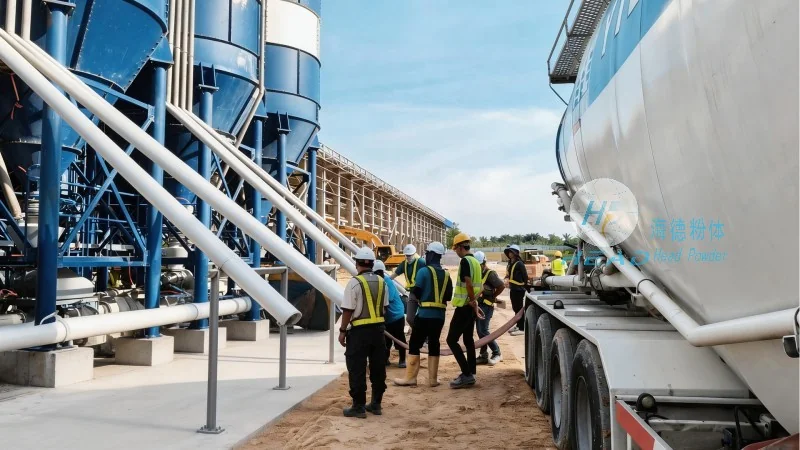
Energy efficiency is also a notable feature of modern PP material conveying systems. Advanced control systems and energy-saving components reduce the overall energy consumption of the equipment. For example, variable frequency drives (VFDs) are used to adjust the conveyor speed based on the material load, minimizing energy waste during low-demand periods. The system may also incorporate energy recovery mechanisms, such as regenerative drives, to further enhance efficiency. These features not only lower operational costs but also contribute to environmental sustainability by reducing energy consumption.
Integration with other production equipment is another key aspect of the PP material conveying system. The system is designed to seamlessly connect with upstream and downstream processes, such as storage silos, mixing units, or extrusion machines. This integration ensures a continuous material flow from raw material storage to the final product. For example, the conveying system can be synchronized with the extrusion line to provide a steady supply of PP material, preventing bottlenecks and ensuring consistent product quality. The control system coordinates the operation of all connected equipment, maintaining a balanced production schedule.
Safety features are integral to the design of PP material conveying system equipment. The system includes various safety mechanisms to protect operators and prevent accidents. These may include emergency stop buttons, interlocked access panels, and overload protection devices. The conveyor components are also designed to minimize the risk of material entrapment or release of dust. For instance, the screw conveyor has a sealed housing to contain the material and prevent dust emissions. Additionally, the system may include dust collection and filtration systems to maintain a clean and safe working environment.
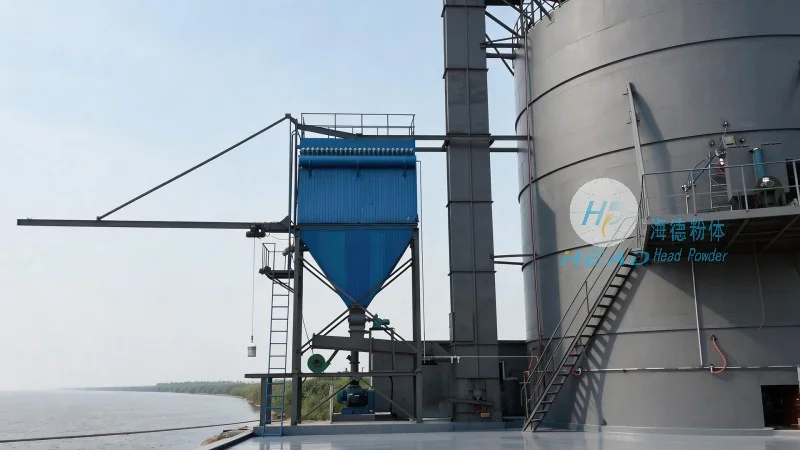
In summary, the PP material conveying system equipment operates through a coordinated mechanism of feeding, conveying, and control to efficiently transport polypropylene materials. Its key features, including adaptability, durability, energy efficiency, and integration capabilities, make it an essential component in modern industrial production. By understanding its working principle and leveraging these features, manufacturers can optimize their production processes, enhance operational reliability, and reduce costs. The system's design and functionality are tailored to meet the specific requirements of PP material handling, ensuring consistent performance and quality in various industrial applications.
As a leading provider of material handling solutions, Shandong HeadPowder Engineering Co., Ltd. specializes in designing and manufacturing high-quality PP material conveying systems. With years of experience in the industry, the company has developed advanced technologies and expertise to meet the diverse needs of its clients. The company's products are engineered to deliver reliable performance, durability, and efficiency, ensuring that clients can achieve their production goals with minimal downtime and maximum productivity. HeadPowder's commitment to quality and customer satisfaction has made it a trusted partner for businesses in various sectors, including plastics, chemicals, and food processing. The company's headquarters is located in Shandong, China, where it continues to innovate and advance its material handling solutions to meet the evolving demands of the market.