

The Working Principle and Features of Sodium Carbonate Material Handling Systems
Understanding the working principles and features of sodium carbonate material handling systems is crucial for industries that rely on efficient and reliable transportation of this essential chemical. This article provides a detailed overview of how these systems operate, highlighting their key characteristics and benefits.
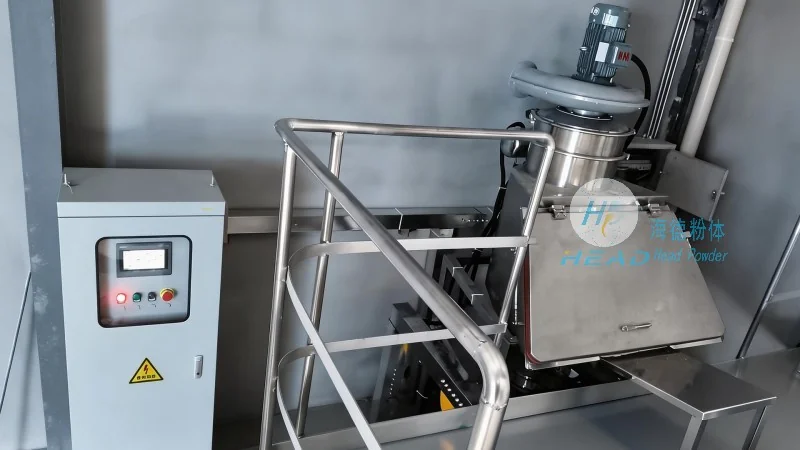
Overview of Sodium Carbonate Material Handling Systems
Sodium carbonate, commonly known as soda ash, is a widely used chemical in various industrial applications, including glass manufacturing, paper production, and water treatment. The efficient handling and transportation of this material are vital to maintaining production efficiency and ensuring product quality. Material handling systems designed for sodium carbonate must address specific challenges such as its granular or powdered form, which can be abrasive and require specialized equipment to prevent material degradation and equipment wear.
The Working Principle of Sodium Carbonate Material Handling Systems
At the core of sodium carbonate material handling systems is a combination of mechanical and control components that work in tandem to move the material from one location to another. The typical workflow involves several key steps, starting with the storage of the material in a silo or hopper. From there, the material is conveyed through a series of equipment, including feeders, conveyors, and sometimes pneumatic systems, depending on the system design and the specific requirements of the application.
The feeding mechanism, often a rotary valve or a vibratory feeder, ensures a consistent and controlled flow of sodium carbonate into the conveyor system. This controlled feeding is essential to prevent overloading and to maintain the integrity of the material. The conveyor system, which may include belt conveyors, screw conveyors, or bucket elevators, transports the material horizontally or vertically, depending on the layout of the facility. In some cases, pneumatic conveying systems are used for long-distance or high-volume transport, where air pressure is used to move the material through a pipeline.
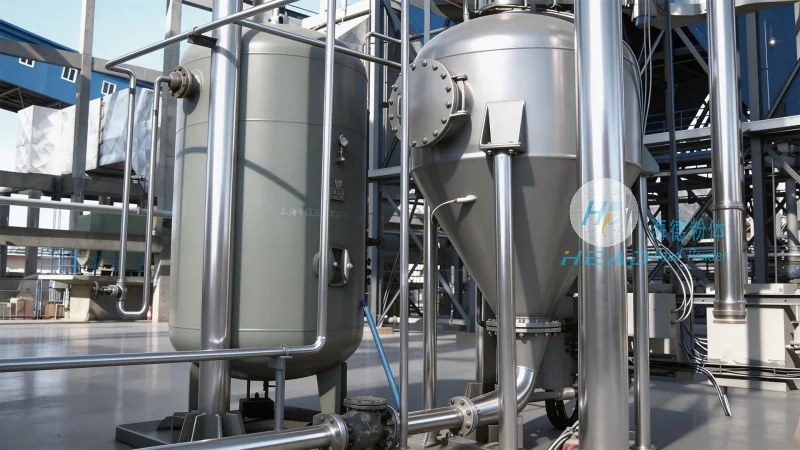
The control system, typically integrated with sensors and automation technology, monitors the flow rate, pressure, and other parameters to ensure the system operates within optimal conditions. This automation allows for real-time adjustments and helps prevent issues such as blockages or overfilling. The entire process is designed to be energy-efficient and to minimize material loss, which is critical for cost-effective operations.
Key Features of Sodium Carbonate Material Handling Systems
Modern sodium carbonate material handling systems are characterized by several key features that enhance their performance and reliability. One of the most important features is the use of corrosion-resistant materials, such as stainless steel or special alloys, to withstand the chemical properties of sodium carbonate and to prevent equipment degradation over time. This is particularly important in systems that handle large volumes of the material, as corrosion can lead to costly repairs and downtime.
Another critical feature is the integration of dust control measures. Sodium carbonate is a fine powder that can generate significant dust during handling, which poses health and safety risks. Advanced systems incorporate dust collection systems, such as baghouses or cartridge filters, to capture and remove airborne particles, ensuring a safe working environment. Additionally, the use of sealed and enclosed equipment helps minimize dust exposure and maintain a clean facility.
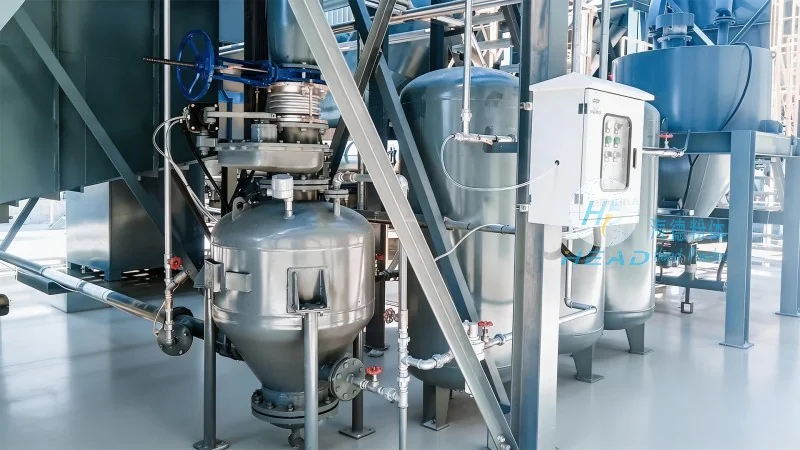
Efficiency and reliability are also key features of these systems. The design often includes redundant components and backup systems to ensure continuous operation, even in the event of a component failure. This redundancy helps prevent production interruptions and reduces maintenance costs. Furthermore, the systems are equipped with advanced monitoring and diagnostic tools that allow for predictive maintenance, enabling timely repairs and extending the lifespan of the equipment.
Benefits of Using Advanced Material Handling Systems for Sodium Carbonate
Implementing an advanced material handling system for sodium carbonate offers numerous benefits to industrial operations. The primary advantage is improved operational efficiency, as the system allows for consistent and controlled material flow, reducing downtime and increasing production throughput. This efficiency translates into cost savings, as less energy is consumed and fewer resources are wasted.
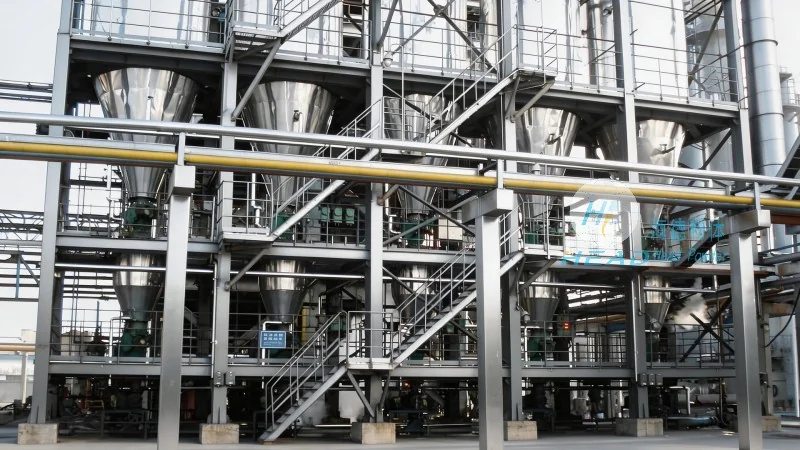
Another significant benefit is enhanced product quality. By preventing material degradation and contamination, the system ensures that the sodium carbonate delivered to the next stage of production meets the required specifications. This is particularly important in applications where the purity of the material is critical, such as in glass manufacturing or pharmaceutical production.
Health and safety are also improved with advanced material handling systems. The incorporation of dust control measures and sealed equipment reduces the risk of respiratory issues and other health hazards associated with handling fine powders. Additionally, the automation and monitoring features help prevent accidents and ensure that the system operates within safe parameters.
Conclusion
In conclusion, sodium carbonate material handling systems are sophisticated and essential components of industrial operations that require the efficient transportation of this vital chemical. By understanding the working principles and features of these systems, industries can make informed decisions about their material handling infrastructure, leading to improved efficiency, product quality, and safety. As technology continues to advance, these systems will likely become even more efficient and reliable, further supporting the needs of modern industrial applications.