

Working Principle and Features of Ferric Sulfate Material Handling Systems
Understanding the working principle and features of ferric sulfate material handling systems is crucial for industries that rely on efficient and reliable transport of this chemical compound. Ferric sulfate, also known as iron(III) sulfate, is widely used in water treatment, paper manufacturing, and other industrial processes, making the design and operation of its handling systems critical to overall operational efficiency.
Working Principle of Ferric Sulfate Material Handling Systems
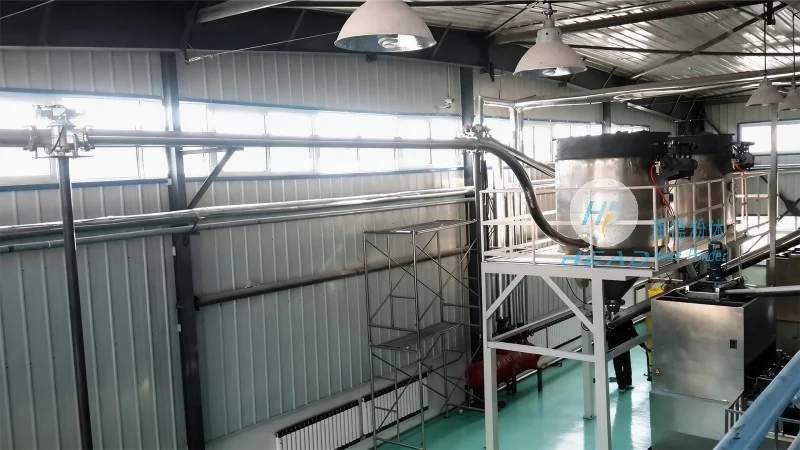
The core working principle of ferric sulfate material handling systems revolves around the integration of several key components designed to ensure safe, efficient, and consistent transport of the material. These systems typically include feed mechanisms, conveying equipment, and control systems that work in tandem to move the material from storage to processing or application points.
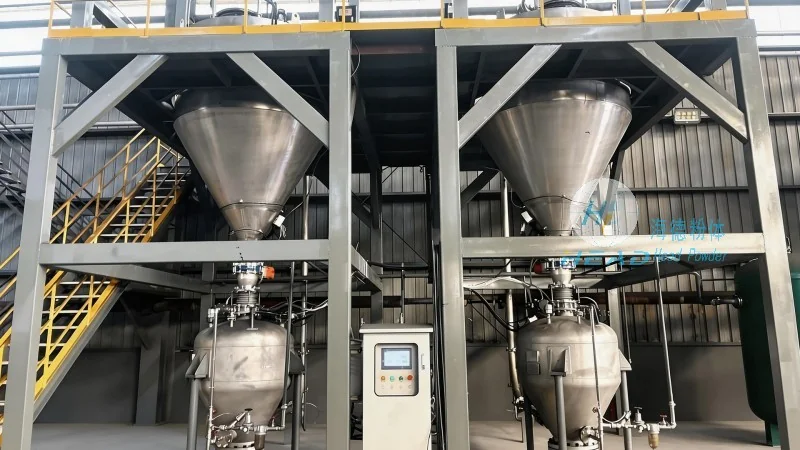
First, the system begins with the storage of ferric sulfate, often in bulk storage silos or containers. From there, a feed hopper or feeder is used to regulate the flow of the material into the conveying equipment. This initial step ensures that the material is fed at a controlled rate, preventing overloading or underloading of the conveyor. The feed mechanism may include a screw conveyor, belt conveyor, or pneumatic system, depending on the specific requirements of the application and the physical properties of ferric sulfate.
Next, the conveying equipment transports the ferric sulfate from the storage area to the processing or discharge point. Screw conveyors are commonly used for this purpose due to their ability to handle bulk materials with minimal segregation. They operate by rotating a helical screw within a trough, pushing the material forward. Belt conveyors are another option, especially for longer distances or when the material needs to be elevated. These systems use a continuous belt that moves the material along its path, often with idlers and pulleys to maintain tension and direction.
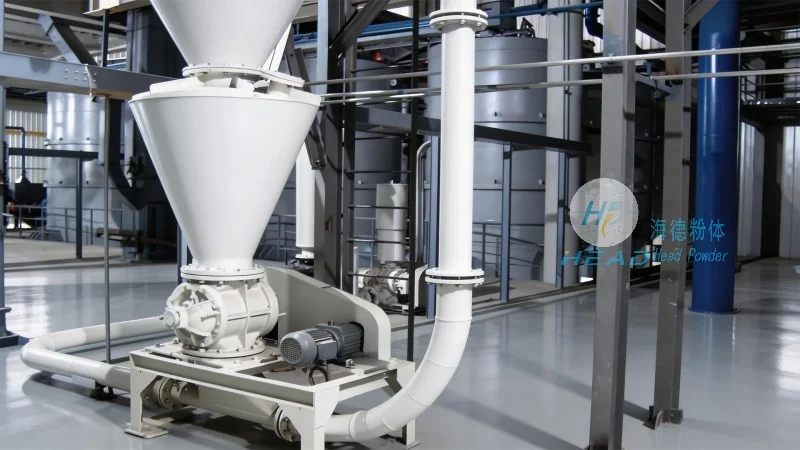
Control systems play a vital role in managing the entire process. Sensors and controllers monitor the flow rate, level in the storage silo, and operational status of the conveying equipment. This allows for real-time adjustments to maintain optimal performance and prevent issues such as blockages or overfilling. The control system may also integrate with other plant processes, ensuring that the ferric sulfate is delivered to the correct location at the right time, aligning with production schedules.
Key Features of Ferric Sulfate Material Handling Systems
Several key features distinguish effective ferric sulfate material handling systems, focusing on efficiency, safety, and durability. These features are designed to address the unique challenges posed by handling a chemical compound that can be hygroscopic and prone to dust generation.
One of the primary features is the use of enclosed or dust-tight systems to prevent the release of ferric sulfate dust into the environment. This is essential for maintaining air quality and complying with environmental regulations. Enclosed conveyors, such as those with a sealed housing or a dust collection system, are commonly employed to contain the material and prevent airborne particles from escaping. This not only improves safety for personnel but also reduces the risk of material loss or contamination.
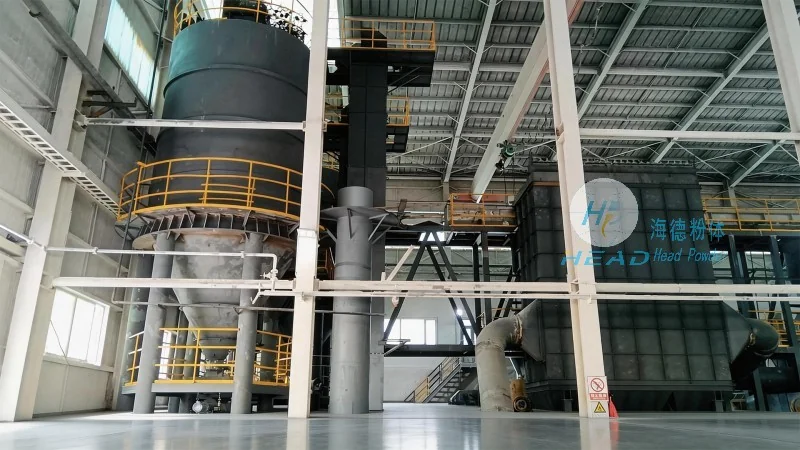
Another important feature is the incorporation of corrosion-resistant materials in the construction of the handling equipment. Ferric sulfate can be corrosive, especially when in contact with water or other chemicals, so the system components must be built to withstand these conditions. Stainless steel or specialized coatings are often used for parts that come into direct contact with the material, such as the conveyor troughs, screws, and hoppers. This ensures the longevity of the equipment and reduces maintenance costs over time.
Efficiency is a critical feature, as downtime or inefficiencies in material handling can significantly impact production. Advanced control systems and variable speed drives allow for precise control of the feed rate and conveyor speed, optimizing the flow of ferric sulfate. This results in reduced energy consumption and minimized waste, as the system operates only as needed to meet production demands. Additionally, the design of the system to minimize material degradation, such as through gentle handling and proper flow control, helps maintain the quality of the ferric sulfate for its intended applications.
Reliability is also a key feature, as consistent performance is essential for maintaining production schedules. The use of robust components, regular maintenance schedules, and redundancy in critical parts (such as backup motors or sensors) helps ensure that the system operates continuously without interruptions. This reliability is particularly important in industries where a steady supply of ferric sulfate is required for continuous processes, such as water treatment plants or paper mills.
Company Profile: Shandong HeadPowder Engineering Co., Ltd.
HeadPowder, the manufacturer behind these advanced ferric sulfate material handling systems, is a leading engineering company based in Shandong, China. With a strong focus on innovation and customer satisfaction, HeadPowder specializes in the design, manufacturing, and installation of bulk material handling solutions for various industrial applications. The company's expertise in chemical handling systems, particularly for compounds like ferric sulfate, has earned it a reputation for delivering high-quality, reliable equipment that meets the specific needs of its clients.
HeadPowder's commitment to quality is evident in its adherence to international standards and rigorous testing protocols. Each component of the ferric sulfate material handling systems is manufactured with precision and inspected for compliance with safety and performance criteria. The company also provides comprehensive after-sales support, including maintenance services, spare parts availability, and technical assistance, ensuring that clients can rely on their equipment for long-term operation.
Located in Shandong, China, HeadPowder leverages its local resources and expertise to serve a global market. The company's facilities are equipped with state-of-the-art technology and skilled personnel, enabling it to develop customized solutions that address the unique challenges faced by each industry. Whether for water treatment, paper manufacturing, or other industrial processes, HeadPowder's ferric sulfate material handling systems are designed to enhance operational efficiency, improve safety, and reduce costs for its clients.