

What is a Crystal Particle Material Pneumatic Conveying System? What are the Design Principles?
Crystal particle material pneumatic conveying systems represent a sophisticated approach to material handling, particularly for fine, dry, or granular substances such as pharmaceutical powders, food additives, or chemical reagents. These systems utilize air or other gases to transport materials from one location to another, eliminating the need for mechanical components like belts or screws that might introduce contamination or wear. The technology is widely adopted in industries where maintaining product purity and integrity is paramount.
Core Components and Functionality
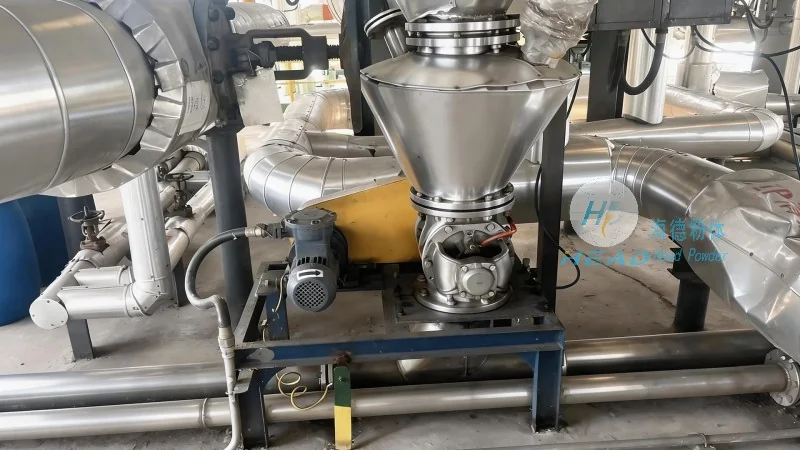
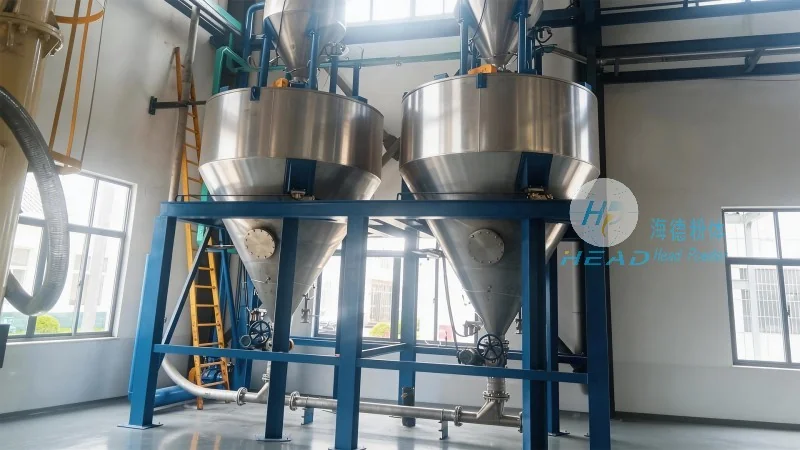
The fundamental components of a crystal particle material pneumatic conveying system typically include a hopper or feeder for material storage, a conveying line (often equipped with pressure or vacuum control), and a receiver or discharge point. The system operates by introducing air or gas into the conveying line, creating a flow that lifts and transports the particles. Key elements such as rotary valves, filters, and pressure regulators ensure efficient and controlled movement of the material. The design must account for the specific properties of the crystal particles, including their size, density, and flow characteristics, to optimize performance and prevent blockages or degradation.
Design Principles for Optimal Performance
Designing an effective crystal particle material pneumatic conveying system involves several critical principles. First, the system must be tailored to the material's physical properties. For instance, fine particles may require higher air velocities to prevent settling or clogging, while larger particles might benefit from lower velocities to reduce wear on components. Second, the system's layout and configuration are crucial. The conveying line's length, elevation changes, and bends must be carefully planned to minimize pressure losses and maintain consistent flow rates. Third, the use of appropriate materials for construction—such as stainless steel or food-grade plastics—is essential to prevent contamination and ensure compliance with industry standards. Additionally, incorporating features like in-line mixers or classifiers can enhance the system's functionality, allowing for blending or separation of different particle sizes.
Advantages of Pneumatic Conveying for Crystal Materials
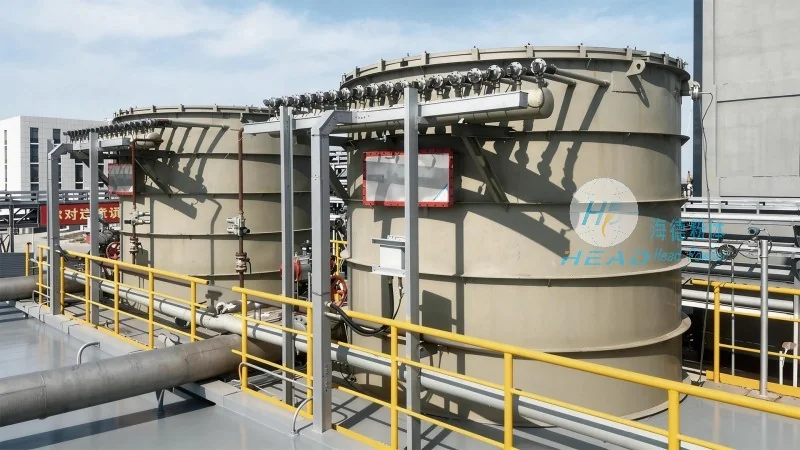
Compared to traditional mechanical conveying methods, crystal particle material pneumatic conveying systems offer several advantages. One of the most significant benefits is the ability to maintain product purity and prevent cross-contamination, which is critical in industries like pharmaceuticals or food processing. The absence of moving parts reduces the risk of wear and tear, leading to lower maintenance costs and longer system lifespans. Furthermore, pneumatic systems can handle a wide range of particle sizes and shapes, making them versatile for various applications. They also provide better control over material flow, allowing for precise dosing and dosing rates. However, it is important to note that these systems require careful design and maintenance to ensure efficient operation and prevent issues such as air leaks or particle buildup.
Applications in Various Industries
Crystal particle material pneumatic conveying systems are widely used across multiple industries. In the pharmaceutical sector, they are employed to transport active pharmaceutical ingredients (APIs) and excipients with high purity requirements. The food industry utilizes these systems for handling food additives, spices, and other ingredients, ensuring that the products remain free from contaminants. In the chemical industry, they are used to convey reagents, catalysts, and other fine chemicals, where maintaining product integrity is essential. Additionally, these systems are applied in the cosmetics industry for transporting pigments and other fine powders, and in the agricultural sector for handling fertilizers or pesticides.
Key Considerations for System Selection and Maintenance
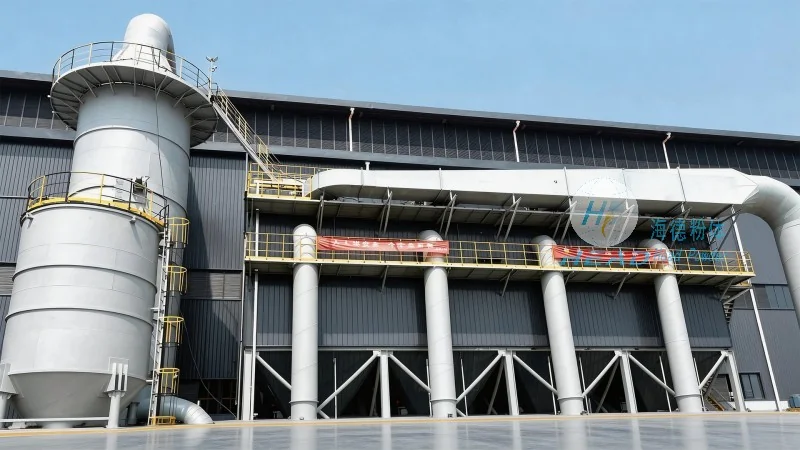
When selecting a crystal particle material pneumatic conveying system, several factors must be considered. The first is the material's characteristics, including particle size distribution, density, and moisture content. These factors influence the air velocity and pressure required for effective conveying. Second, the system's capacity and throughput needs must be matched to the production requirements. Third, the environmental and regulatory constraints, such as the need for dust control or explosion-proof designs, must be addressed. Maintenance of these systems is also critical. Regular cleaning of filters, inspection of conveying lines for blockages, and checking of pressure regulators are essential to ensure continuous and reliable operation. Proper maintenance can extend the system's lifespan and prevent costly downtime.
Conclusion
Crystal particle material pneumatic conveying systems are a vital technology in modern material handling, offering efficient, clean, and versatile solutions for transporting fine and sensitive materials. The design principles, which consider material properties, system layout, and construction materials, are crucial for achieving optimal performance. As industries continue to demand higher standards of product purity and efficiency, these systems remain a preferred choice. With proper design, implementation, and maintenance, they can provide reliable and cost-effective solutions for a wide range of applications.