

What is a Steel and Lime Material Pneumatic Conveying System? And What Are Its Design Principles?
Steel and lime material pneumatic conveying systems are specialized industrial solutions designed to transport bulk materials like steel powders, lime, and other similar particulate substances through a pipeline using air or gas as the conveying medium. These systems are widely used in the steel manufacturing industry, chemical processing, and other sectors where efficient, dust-free, and continuous material handling is required. The design principles of such systems are critical to ensuring optimal performance, reliability, and safety, especially when dealing with materials that have specific properties like high density, abrasive nature, or varying particle sizes.
Understanding the Core Components of a Pneumatic Conveying System
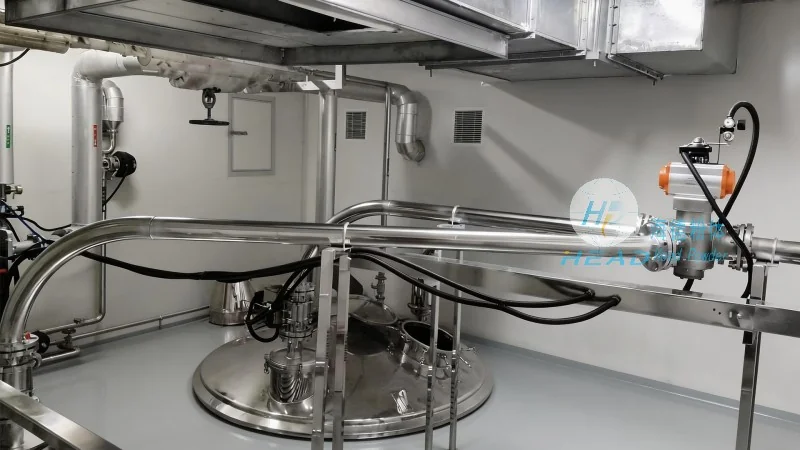
A typical pneumatic conveying system for steel and lime materials consists of several key components that work in tandem to achieve efficient material transport. The primary components include a material feed hopper, a conveying pipeline, a blower or compressor to generate the air flow, a control system for regulating pressure and flow, and a discharge unit at the receiving end. Each component plays a crucial role in the overall functionality of the system.
Material Feed and Hopper Design Considerations
The material feed hopper is the starting point of the pneumatic conveying process. It is designed to store and feed the steel or lime material into the conveying pipeline. For steel powders and lime, which can be abrasive and have varying particle sizes, the hopper is constructed from durable materials like stainless steel or high-grade alloys to withstand wear and tear. The hopper often includes a feeding mechanism such as a rotary valve or a screw feeder to control the flow rate of the material into the system. This ensures a consistent and controlled feed, preventing blockages and maintaining system efficiency.
The Role of the Conveying Pipeline and Air Flow
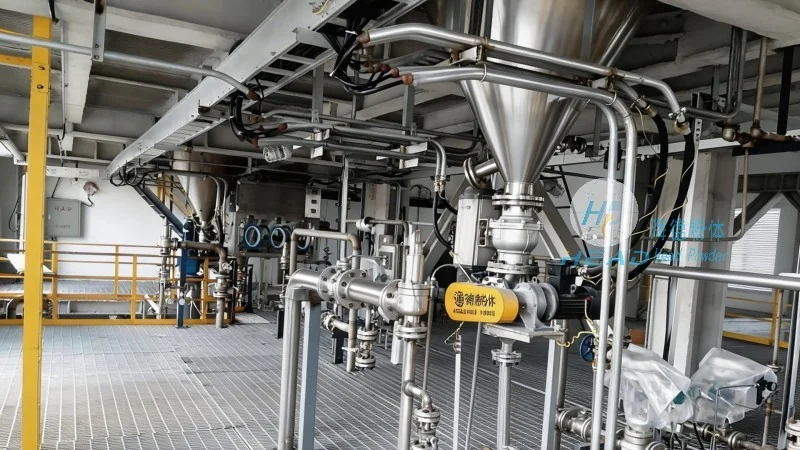
The conveying pipeline is a critical part of the system, as it carries both the material and the air/gas mixture. The design of the pipeline, including its diameter, length, and bends, directly impacts the system's performance. For steel and lime materials, which can be dense and have high particle loading, the pipeline is often sized appropriately to handle the material's characteristics. The air flow, generated by a blower or compressor, is responsible for moving the material through the pipeline. The velocity of the air and the pressure within the system are carefully controlled to ensure that the material is conveyed without excessive pressure drops or particle degradation. The system may use either positive pressure (where air is blown into the pipeline) or negative pressure (where air is drawn out), depending on the specific application and material properties.
Control Systems and Pressure Management
Effective control systems are essential for the smooth operation of a pneumatic conveying system. These systems monitor and regulate parameters such as pressure, flow rate, and material level in real-time. For steel and lime materials, which can be sensitive to pressure fluctuations, precise control is necessary to prevent material degradation or system failures. The control system may include sensors to detect pressure changes, flow meters to measure air velocity, and valves to adjust the air flow as needed. This ensures that the system operates within optimal parameters, maximizing efficiency and minimizing downtime.
Discharge and Material Handling at the Receiving End
The discharge unit at the receiving end of the system is responsible for delivering the material to its final destination. This may involve a hopper, a silo, or a processing unit. The design of the discharge unit is tailored to the characteristics of the steel or lime material, ensuring that the material is discharged smoothly without causing blockages or dust emissions. For abrasive materials like steel powders, the discharge unit is often equipped with wear-resistant liners to extend its lifespan. The system may also include a dust collection system to capture any particles that escape during the discharge process, ensuring environmental compliance and safety.
Design Principles for Optimal Performance
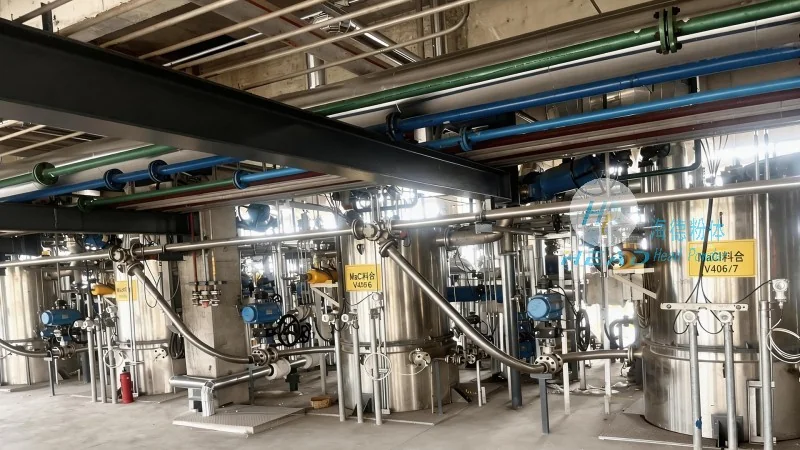
The design principles of a steel and lime material pneumatic conveying system are centered around maximizing efficiency, reliability, and safety. Key principles include selecting the appropriate conveying method (positive or negative pressure) based on the material's properties and system layout, ensuring the pipeline diameter and length are optimized for the material's particle size and density, and implementing robust control systems to maintain consistent operation. Additionally, the system must be designed to handle the abrasive nature of steel powders and the potential for lime to cause corrosion, using materials and components that are resistant to wear and degradation. The overall design aims to minimize energy consumption, reduce maintenance costs, and ensure the system can operate continuously without interruptions.
Applications and Industry Use Cases
Steel and lime material pneumatic conveying systems are widely used in various industrial applications. In the steel industry, they are used to transport raw materials like limestone and iron ore to the blast furnace, as well as to move steel powders for further processing. In chemical processing, these systems are employed to handle lime and other reactive materials, ensuring safe and efficient transport. The systems are also used in environmental applications, such as transporting lime for flue gas desulfurization in power plants. The versatility of pneumatic conveying makes it suitable for a wide range of applications where traditional bulk handling methods may be less effective or more costly.
Advantages of Pneumatic Conveying for Steel and Lime Materials
Compared to traditional bulk handling methods like belt conveyors or bucket elevators, pneumatic conveying offers several advantages for steel and lime materials. One of the primary benefits is the ability to handle materials in a dust-free environment, which improves safety and reduces the risk of fire or explosion. The system also allows for continuous, automated material transport, reducing labor costs and increasing productivity. Additionally, pneumatic conveying can handle materials with varying particle sizes and densities, making it suitable for diverse applications. The system's compact design and flexibility in layout also make it an attractive option for facilities with limited space or complex material flow requirements.
Challenges and Mitigation Strategies
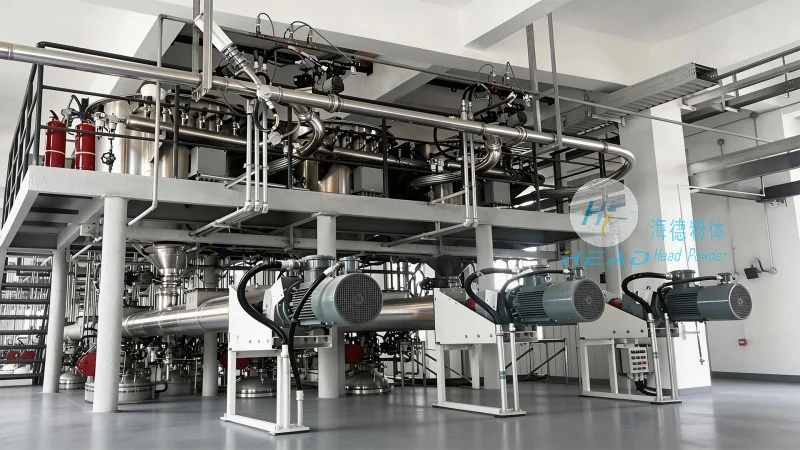
While pneumatic conveying systems offer many benefits, they also present certain challenges when handling steel and lime materials. One common challenge is the abrasive nature of steel powders, which can cause wear on the pipeline and components over time. To mitigate this, the system is designed with wear-resistant materials and components, such as stainless steel or high-grade alloys. Another challenge is the potential for material buildup or blockages in the pipeline, especially with high-density materials like lime. The control system and feeding mechanisms are designed to prevent these issues by maintaining consistent flow rates and monitoring pressure levels. Additionally, the system must be equipped with proper dust collection and filtration to comply with environmental regulations and ensure worker safety.
Conclusion
Steel and lime material pneumatic conveying systems are sophisticated industrial solutions that leverage air or gas to transport bulk materials efficiently and safely. The design principles behind these systems are critical to their performance, reliability, and longevity. By carefully selecting components, optimizing pipeline design, and implementing robust control systems, manufacturers can ensure that these systems operate at peak efficiency, even when handling abrasive and challenging materials like steel powders and lime. The versatility and advantages of pneumatic conveying make it an essential technology in the steel and chemical industries, contributing to improved productivity, reduced costs, and enhanced safety.