

What is a Calcium Carbonate Powder Material Pneumatic Conveying System? What Are Its Design Principl
Calcium carbonate powder, a widely used industrial material, often requires efficient and reliable transportation methods to move it from one location to another within a production facility or between different sites. The pneumatic conveying system has emerged as a preferred solution for handling such powders due to its ability to transport materials through a pipeline using air or other gases. This article explores the concept of a calcium carbonate powder material pneumatic conveying system and delves into its fundamental design principles, highlighting the key components and operational mechanisms that enable effective material transport.
Understanding the Calcium Carbonate Powder Material Pneumatic Conveying System
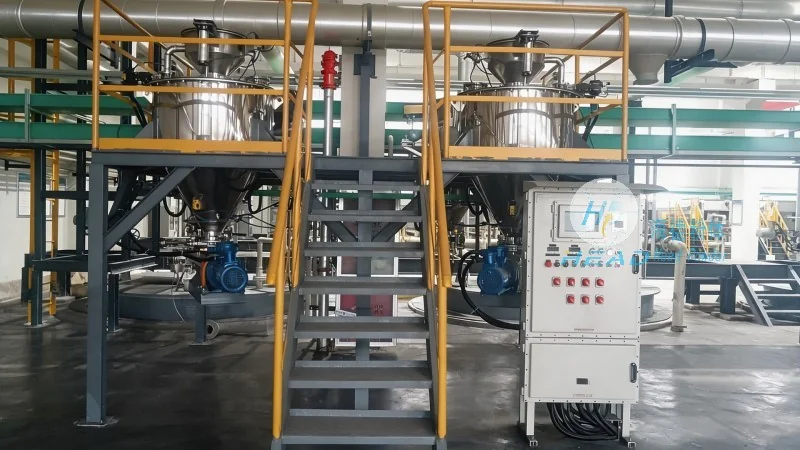
A pneumatic conveying system for calcium carbonate powder is a technology that utilizes the force of air or gas to move dry powder materials through a closed pipeline system. Unlike traditional mechanical conveying methods such as screw conveyors or belt conveyors, pneumatic systems offer advantages like reduced contamination risk, lower maintenance requirements, and the ability to handle materials in a dust-free environment. The system typically consists of a feeding unit, a conveying line, a separation or collection unit, and a control system. Each component plays a crucial role in ensuring the smooth and efficient transport of calcium carbonate powder from the source to the destination.
Key Components of the Pneumatic Conveying System
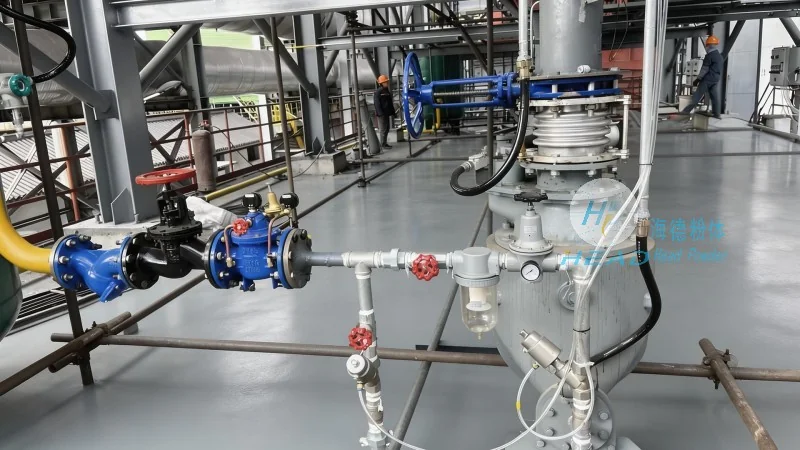
The design of a calcium carbonate powder pneumatic conveying system involves several critical components that work in tandem to achieve optimal performance. The feeding unit is responsible for introducing the powder into the conveying line. This unit may include a hopper with a feeder, such as a rotary valve or a star feeder, which controls the flow rate of the material. The conveying line itself is a pipeline made of materials like stainless steel or plastic, designed to withstand the pressure and abrasion caused by the powder and air mixture. The air or gas is supplied by a blower or a compressor, which creates the necessary pressure to move the powder through the line. At the receiving end, a separation or collection unit, such as a cyclone separator or a bag filter, is used to separate the powder from the air stream and collect it in a container. The control system monitors and regulates the operation of the blower, feeder, and other components to maintain consistent flow and pressure.
Design Principles for Efficient Material Transport
The design principles of a calcium carbonate powder pneumatic conveying system are centered on ensuring efficient, reliable, and cost-effective material transport. One of the primary principles is the selection of the appropriate conveying velocity. The velocity of the air or gas must be high enough to lift and transport the powder particles but not so high as to cause excessive wear on the pipeline or equipment. The design also considers the particle size and density of the calcium carbonate powder, as these factors influence the required velocity and pressure. For example, finer particles may require higher velocities to prevent settling or blockages in the pipeline. Another key principle is the system's pressure drop, which is the pressure loss as the air and powder mixture travels through the conveying line. Minimizing pressure drop is crucial for reducing energy consumption and ensuring the system operates efficiently. The design may incorporate features like bends, expansions, or contractions in the pipeline to manage pressure drop and maintain consistent flow.
Operational Considerations and Maintenance
Once the calcium carbonate powder pneumatic conveying system is installed and operational, several considerations are important for maintaining its performance and longevity. Regular maintenance is essential to ensure the system operates as designed. This includes checking and replacing worn parts, such as seals and bearings in the feeder and blower, cleaning the pipeline to prevent buildup of powder, and inspecting the separation unit for clogs or damage. The system's control system should be monitored regularly to detect any changes in pressure, flow rate, or temperature that could indicate a problem. Additionally, the system's design should account for potential variations in the powder's properties, such as changes in moisture content or particle size, which could affect its transport characteristics. By adhering to proper operational and maintenance practices, the system can continue to deliver reliable and efficient material transport for calcium carbonate powder applications.
Applications and Benefits
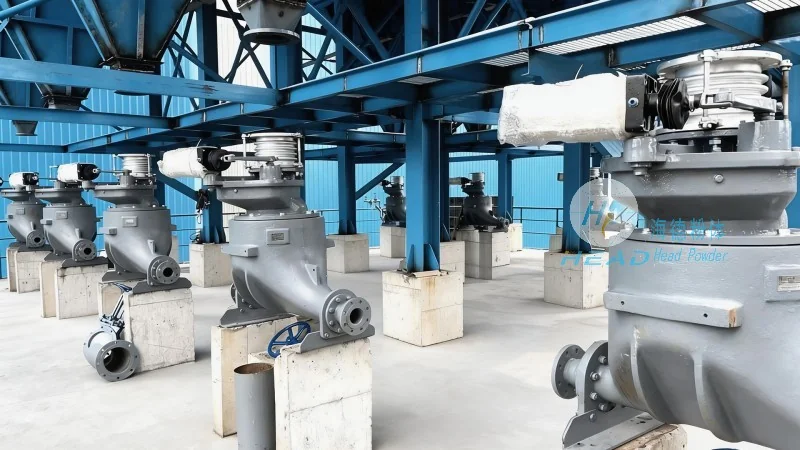
The calcium carbonate powder pneumatic conveying system is widely used in various industries that handle calcium carbonate powder, including the paper, plastics, and construction sectors. In the paper industry, for example, calcium carbonate is used as a filler and coating material, and the pneumatic system efficiently transports it from storage to the paper machine. In the plastics industry, calcium carbonate is used as a reinforcing agent, and the system ensures consistent and clean delivery to the production line. The benefits of using a pneumatic conveying system for calcium carbonate powder include improved product quality due to reduced contamination, lower labor costs compared to manual handling, and increased safety as the system operates in a closed environment, minimizing dust exposure. The system's flexibility also allows for easy integration into existing production lines and the ability to transport materials over long distances without the need for additional infrastructure.
Conclusion
In conclusion, the calcium carbonate powder material pneumatic conveying system is a sophisticated and effective technology for transporting dry powder materials. Its design principles, which focus on efficient material transport, reliable operation, and minimal maintenance, make it a preferred choice for many industrial applications. By understanding the key components and operational mechanisms of the system, as well as adhering to proper maintenance practices, users can ensure the system delivers optimal performance and contributes to the overall efficiency of their production processes. As a leading provider in this field, Shandong HeadPowder Engineering Co., Ltd. specializes in designing and manufacturing high-quality pneumatic conveying systems tailored to the specific needs of calcium carbonate powder applications, with a commitment to quality and customer satisfaction.