

What is a Calcined Gypsum Material Pneumatic Conveying System? And What Are Its Design Principles?
A calcined gypsum material pneumatic conveying system is a specialized industrial solution designed to transport calcined gypsum, a key material in construction and building materials production, from one location to another using air as the conveying medium. This system is essential for efficient material handling in facilities that process or use calcined gypsum, such as gypsum board manufacturers, cement plants, and construction material suppliers. The primary goal of such a system is to move the material safely, reliably, and with minimal degradation, ensuring that the material maintains its quality and properties throughout the conveying process.
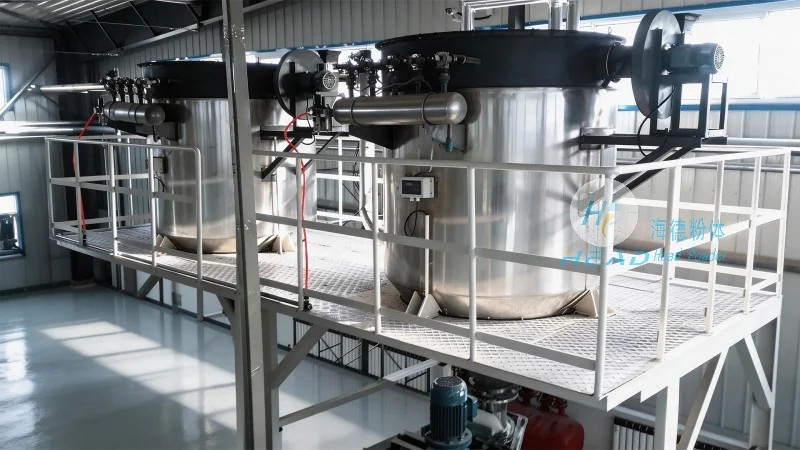
Design Principles of Pneumatic Conveying Systems for Calcined Gypsum
The design of a calcined gypsum pneumatic conveying system is based on several fundamental principles that ensure optimal performance and efficiency. The first principle is the selection of the appropriate conveying method, which can be either positive pressure or negative pressure. Positive pressure systems use a blower to push air and material through the pipeline, while negative pressure systems use a vacuum to draw material into the system. For calcined gypsum, which is a relatively light and dusty material, positive pressure systems are often preferred as they provide better control over the material flow and reduce the risk of blockages. The design also considers the material's physical properties, such as its density, particle size, and moisture content, as these factors influence the required air velocity and pressure to achieve effective conveying. Additionally, the system's layout, including the number and placement of inlets, outlets, and bends, is carefully planned to minimize pressure losses and ensure smooth material transport. The use of appropriate materials for the pipeline, such as stainless steel or corrosion-resistant alloys, is also critical to prevent material degradation and system corrosion.
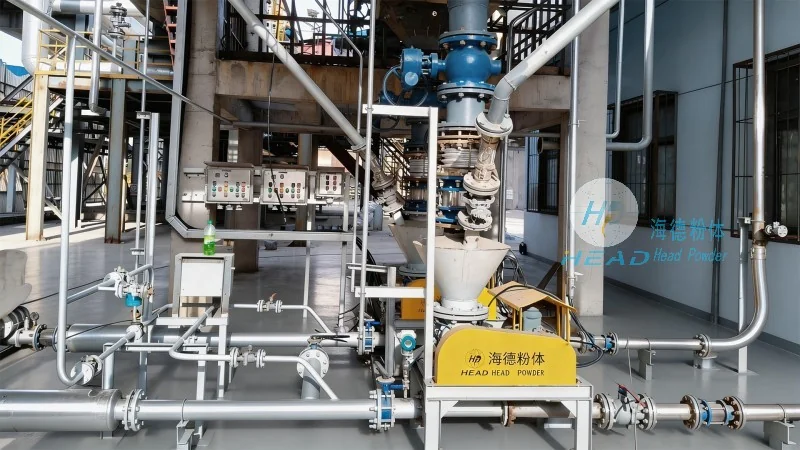
Key Components and Their Functions in the System
A calcined gypsum pneumatic conveying system consists of several key components, each playing a crucial role in the overall operation. The primary components include the material hopper, which stores the calcined gypsum and provides a consistent feed to the system; the feeder, which controls the flow rate of the material into the pipeline; the blower or vacuum pump, which provides the necessary air pressure or vacuum to move the material; the pipeline system, which transports the material from the hopper to the destination; and the receiver, which collects the material at the end of the conveying line. The material hopper is typically equipped with a discharge valve to regulate the material flow and prevent overfilling. The feeder, often a rotary valve or a screw feeder, ensures a steady and controlled feed of the calcined gypsum into the pipeline, preventing surges or blockages. The blower or vacuum pump is the heart of the system, providing the energy to move the material through the pipeline. The pipeline system is designed with appropriate diameters and bends to minimize pressure losses and ensure efficient material transport. The receiver, usually a hopper or a storage bin, collects the material at the end of the conveying line and can be connected to downstream processes or storage areas. Each component is carefully selected and sized based on the material's properties and the system's requirements to ensure reliable and efficient operation.
Application Scenarios and Benefits of the System
The calcined gypsum pneumatic conveying system is widely used in various industrial applications where the efficient and safe transport of calcined gypsum is required. One of the main applications is in the production of gypsum board, where calcined gypsum is used as a key raw material. The system can transport the material from storage to the mixing and molding equipment, ensuring a consistent and high-quality feed. Another application is in cement plants, where calcined gypsum is used as a retarder to control the setting time of cement. The system can transport the material from storage to the cement grinding and mixing facilities. Additionally, the system is used in construction material suppliers and distributors, where it is used to transport calcined gypsum from the production site to the storage and distribution centers. The benefits of using a pneumatic conveying system for calcined gypsum include improved efficiency, reduced labor costs, and enhanced safety. The system can transport the material over long distances without the need for manual handling or mechanical conveyors, which can be labor-intensive and dangerous. The system also reduces the risk of material contamination and degradation, as the material is enclosed in the pipeline and protected from the environment. Furthermore, the system can be easily integrated with other processes, such as mixing and molding, to form a complete production line, improving overall productivity and efficiency.
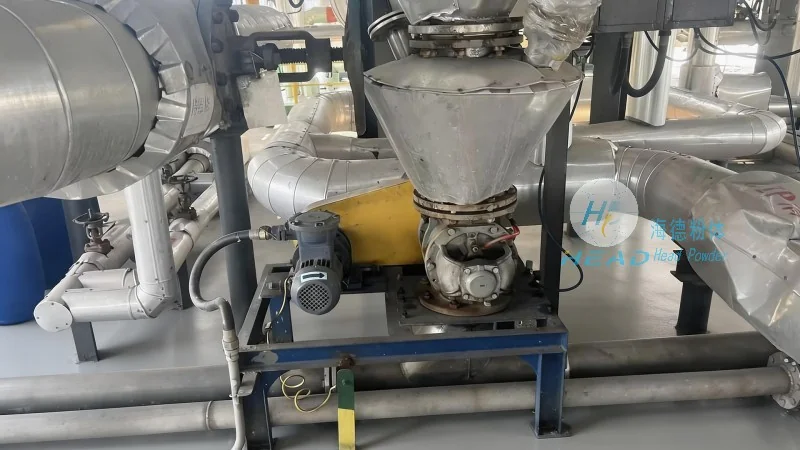
Company Profile: Shandong HeadPowder Engineering Co., Ltd.
Shandong HeadPowder Engineering Co., Ltd., commonly known as HeadPowder, is a leading manufacturer and supplier of industrial conveying systems, including calcined gypsum material pneumatic conveying systems. The company is headquartered in Shandong, China, and has a strong reputation for providing high-quality, reliable, and efficient conveying solutions to its clients. HeadPowder has extensive experience in the design, manufacturing, and installation of pneumatic conveying systems for various materials, including calcined gypsum, and has successfully completed numerous projects for clients in the construction, cement, and other industries. The company's team of engineers and technicians is highly skilled and experienced, with a deep understanding of the principles and applications of pneumatic conveying systems. HeadPowder uses advanced technology and materials in the design and manufacturing of its systems, ensuring that they meet the highest standards of quality and performance. The company also provides comprehensive after-sales services, including maintenance, repair, and technical support, to ensure that its clients' systems operate at peak performance. With its commitment to quality, innovation, and customer satisfaction, HeadPowder is a trusted partner for businesses looking to improve their material handling processes and increase their productivity.