

What is a Plastic Pellet Material Pneumatic Conveying System? What are the Design Principles?
Plastic pellet material pneumatic conveying systems are essential in industrial processes for the efficient and safe transport of plastic granules from one location to another. These systems utilize air or other gases as the conveying medium to move plastic pellets through a network of pipes and components. Understanding the fundamental principles behind such systems is crucial for optimizing performance, ensuring reliability, and meeting the specific requirements of plastic processing applications.
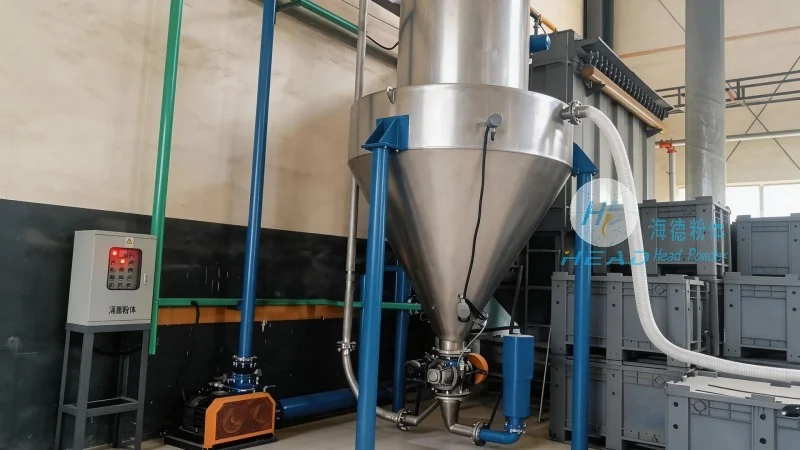
Components of a Plastic Pellet Pneumatic Conveying System
A typical plastic pellet pneumatic conveying system consists of several key components that work in tandem to facilitate material transport. The primary components include a conveying line (usually made of stainless steel or other corrosion-resistant materials to handle plastic pellets), a blower or compressor that generates the necessary airflow, a feed hopper for loading the plastic pellets, and a separator or filter to separate the pellets from the air stream at the discharge end. Additionally, the system may include expansion joints to accommodate pipe movements, valves for controlling flow direction, and pressure relief devices to ensure safety.
Design Principles for Plastic Pellet Pneumatic Conveying
The design of a plastic pellet pneumatic conveying system is governed by several critical principles that ensure efficient operation and minimal material degradation. One of the most important principles is the selection of the appropriate air velocity within the conveying line. The velocity must be high enough to overcome the resistance of the plastic pellets to movement but not so high as to cause excessive wear on the system components or degrade the pellets. Engineers typically calculate the required velocity based on the size, density, and shape of the plastic pellets, as well as the desired conveying distance and throughput.
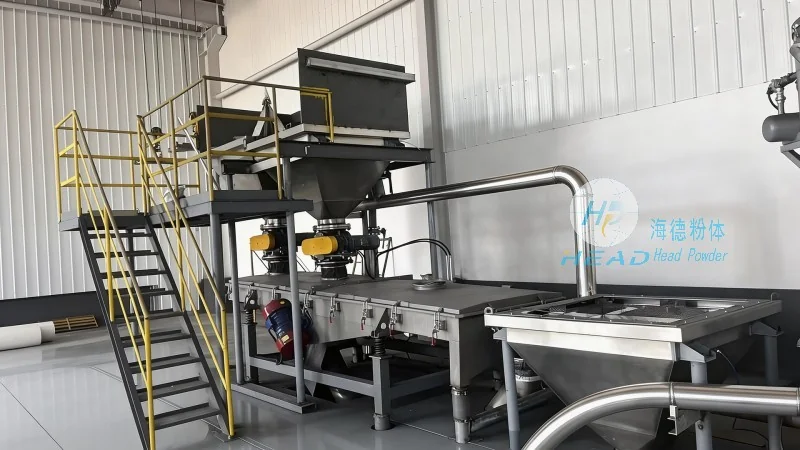
Another key design principle is the management of pressure within the system. Pneumatic conveying systems can operate under either positive pressure (where air is forced through the system) or negative pressure (where air is drawn through the system). Positive pressure systems are commonly used for long-distance or high-capacity conveying, as they can maintain consistent pressure and prevent dust ingress. Negative pressure systems, on the other hand, are often used for short-distance conveying or when handling dusty materials. The choice of pressure type depends on the specific application and the characteristics of the plastic pellets being conveyed.
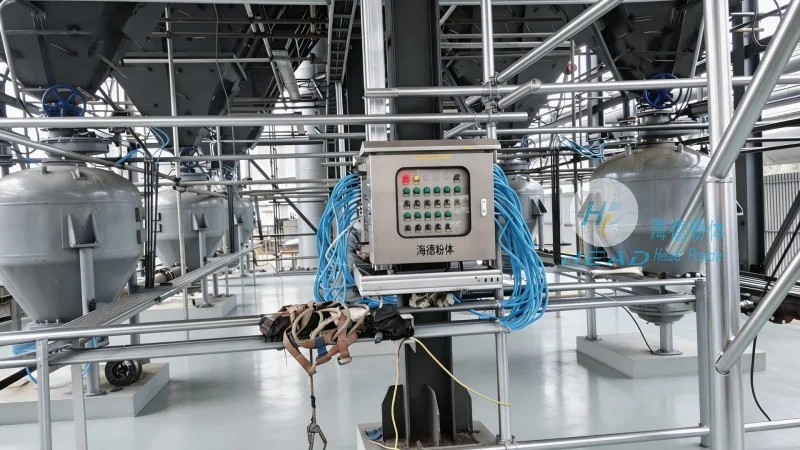
Material Handling Considerations in Pneumatic Conveying
When designing a plastic pellet pneumatic conveying system, it is essential to consider the physical properties of the plastic pellets, such as their size distribution, density, and abrasiveness. These properties directly impact the system's performance and longevity. For example, larger or denser pellets may require higher air velocities to maintain efficient transport, while abrasive pellets may necessitate the use of corrosion-resistant materials for the conveying line and components to prevent wear and tear. The system's design must also account for the temperature of the plastic pellets, as some applications involve hot pellets that may require additional cooling or insulation to prevent degradation.
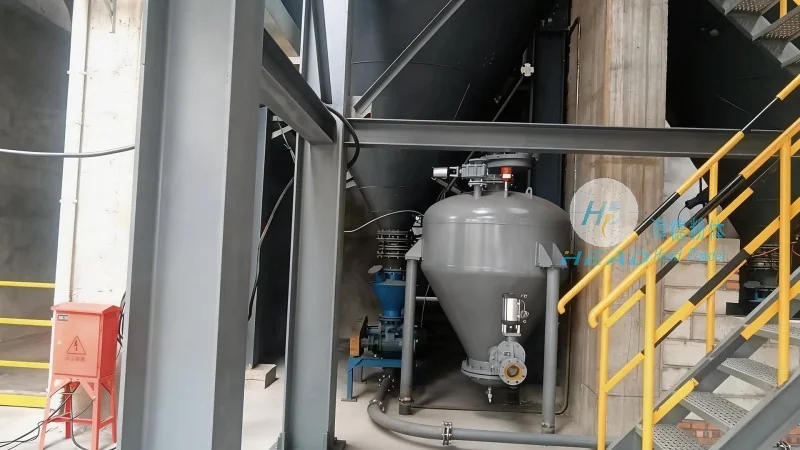
System Integration and Maintenance
Effective integration of a plastic pellet pneumatic conveying system with other processing equipment is critical for seamless operation. The system must be designed to interface with upstream and downstream processes, such as pelletizing, drying, or packaging, to ensure a continuous flow of material. Regular maintenance is also essential to maintain the system's performance and prevent downtime. This includes routine checks of the blower or compressor, cleaning of the separator and filter, and inspection of the conveying line for any signs of wear or damage. Proper maintenance can significantly extend the lifespan of the system and reduce operational costs.
About Shandong HeadPowder Engineering Co., Ltd.
Shandong HeadPowder Engineering Co., Ltd., commonly known as HeadPowder, is a leading manufacturer and supplier of pneumatic conveying systems for the plastic industry. With a strong focus on innovation and quality, HeadPowder provides customized solutions tailored to the specific needs of its clients. The company's headquarters is located in Shandong, China, and it serves a wide range of industries, including plastics, chemicals, and food processing. HeadPowder's commitment to excellence and customer satisfaction has made it a trusted partner for businesses seeking reliable and efficient material handling solutions.