

What is a Hydrogen Chloride Powder Pneumatic Conveying System? And What Are Its Design Principles?
Hydrogen chloride (HCl) is a highly corrosive and hazardous gas commonly used in chemical manufacturing processes. When converted into a powder form, it presents unique handling challenges due to its chemical properties and the need for safe, efficient transport. A hydrogen chloride powder pneumatic conveying system is a specialized industrial solution designed to handle these challenges by transporting HCl powder from one location to another within a production facility. This system combines pneumatic conveying technology with robust materials and engineering to ensure safe and reliable operation in environments where HCl is processed.
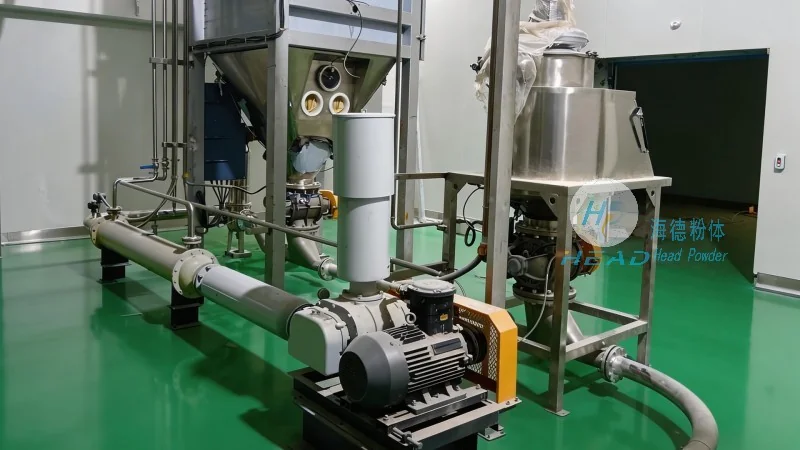
How Hydrogen Chloride Powder Pneumatic Conveying Systems Work
A hydrogen chloride powder pneumatic conveying system operates by using compressed air to transport the powder through a network of pipes. The process typically begins with the powder being fed into a hopper or feeder, where it is then introduced into the conveying line. Compressed air is then introduced into the system, creating a flow that propels the powder particles through the pipes. The system may use either a dilute phase or dense phase conveying method, depending on the specific requirements of the application. In dilute phase conveying, the powder is suspended in the air stream and travels at relatively high velocities, while in dense phase conveying, the powder is carried in a slurry-like mixture with the air, traveling at lower velocities. This flexibility allows the system to be adapted to different powder characteristics and conveying distances. The system also includes components such as cyclones, filters, and dust collectors to separate the powder from the air stream and collect it at the destination point. These components are designed to handle the corrosive nature of HCl and ensure that the powder is delivered in a clean and dry state, minimizing contamination and product loss.
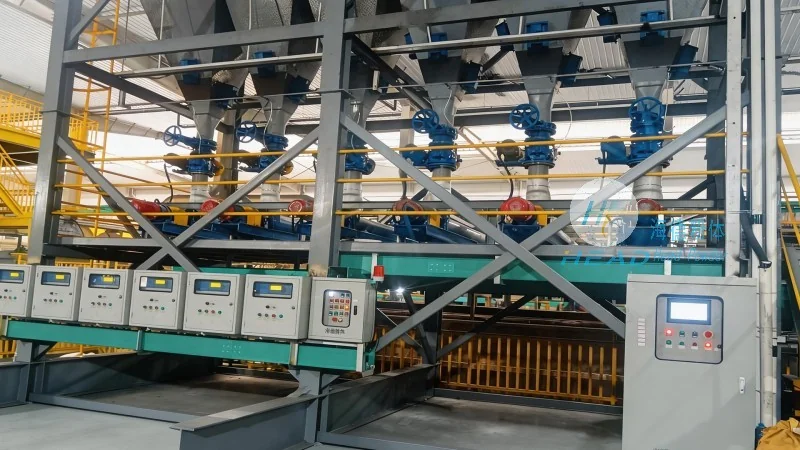
Design Principles of Hydrogen Chloride Powder Pneumatic Conveying Systems
The design of a hydrogen chloride powder pneumatic conveying system is governed by several critical principles aimed at ensuring safety, efficiency, and durability. First, the system must be constructed from materials that are resistant to the corrosive nature of HCl. Common materials include high-grade stainless steel, Hastelloy, or specialized alloys that can withstand prolonged exposure to the gas and its byproducts. This material selection is crucial to prevent equipment failure and maintain product purity. Second, the system must incorporate proper ventilation and gas handling mechanisms to control the release of HCl vapors and prevent accumulation of hazardous concentrations. This includes features such as sealed containers, pressure relief valves, and exhaust systems that comply with industrial safety standards. Third, the conveying process itself must be optimized for the specific physical properties of HCl powder, such as its particle size, moisture content, and flow characteristics. This involves selecting appropriate air velocities, pipeline diameters, and conveying methods (e.g., dilute phase or dense phase) to achieve efficient and stable transport. Finally, the system must be equipped with monitoring and control systems to ensure safe operation. These may include pressure sensors, flow meters, and alarm systems that alert operators to any deviations from normal operating conditions, allowing for immediate intervention to prevent accidents.
Key Safety and Design Considerations
Given the hazardous nature of hydrogen chloride, safety is a top priority in the design of any pneumatic conveying system for this application. Several key safety features are incorporated into the system to mitigate risks. First, the entire system is typically enclosed in a sealed housing to prevent the release of HCl gas into the environment. This enclosure is equipped with pressure relief valves and exhaust systems that are designed to safely vent any excess gas in the event of a pressure buildup. Second, the system includes monitoring equipment to continuously track pressure, temperature, and flow rates. Any abnormal readings trigger alarms or automatic shutdowns, preventing potential accidents. Third, the materials used in the construction of the system are selected for their resistance to corrosion and chemical attack. This includes the use of stainless steel and other alloys that can withstand prolonged exposure to HCl, reducing the risk of equipment failure. Fourth, the system is designed with easy access points for maintenance and inspection, allowing for regular checks to ensure that all components are functioning properly. These safety measures, combined with rigorous testing and compliance with industry standards, ensure that the system operates safely and reliably in the presence of hydrogen chloride.
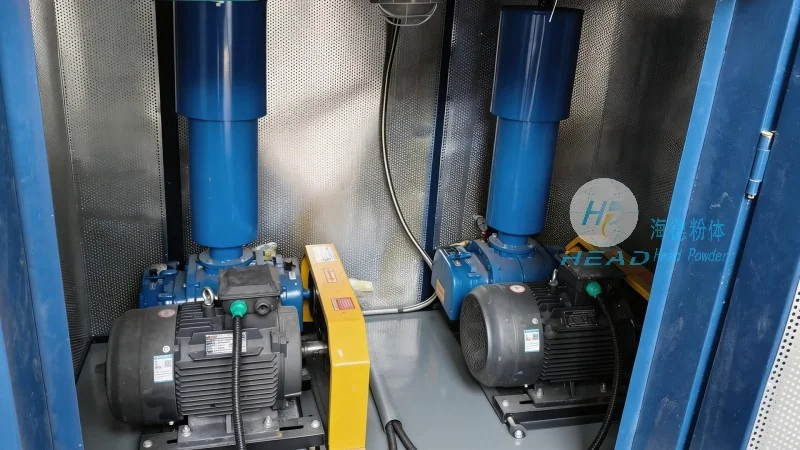
About HeadPowder Engineering Co., Ltd.
HeadPowder, formally known as Shandong HeadPowder Engineering Co., Ltd., is a leading manufacturer and supplier of specialized pneumatic conveying systems for the chemical industry. With a strong focus on innovation and customer satisfaction, HeadPowder has established itself as a trusted partner for companies dealing with hazardous and corrosive materials like hydrogen chloride. The company's headquarters is located in Shandong, China, where its team of experienced engineers and technicians develop and manufacture high-quality equipment tailored to the unique needs of each client. HeadPowder's commitment to quality and safety is reflected in its adherence to international standards and rigorous testing protocols, ensuring that every system delivered meets the highest industry benchmarks. By combining advanced technology with expert engineering, HeadPowder provides reliable solutions that enhance operational efficiency while maintaining strict safety protocols for handling hazardous materials.