

What is a Dust Collection Powder Body Pneumatic Conveying Line? And What Are Its Design Principles?
Welcome to Shandong HeadPowder Engineering Co., Ltd., a leading provider of advanced pneumatic conveying solutions. In this article, we will explore the concept of dust collection powder body pneumatic conveying lines and delve into the fundamental design principles that underpin their operation.
Understanding Dust Collection Powder Body Pneumatic Conveying Lines
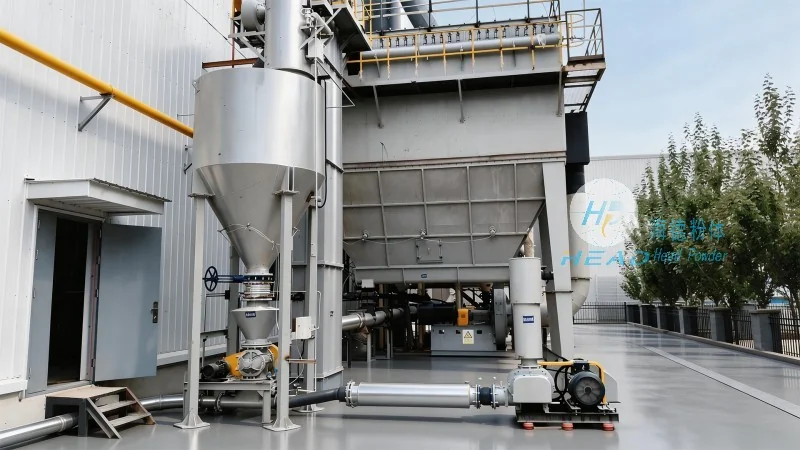
A dust collection powder body pneumatic conveying line is a specialized system designed to transport fine powders and dust particles from one location to another using compressed air or other gas as the conveying medium. This technology is widely used in industries such as cement, chemical, food processing, and pharmaceuticals, where the efficient and safe handling of powders is critical. The system typically consists of a dust collector, a conveying pipeline, a blower or compressor, and a receiving hopper. The primary function is to collect dust from a process or production line and transport it to a designated storage or disposal area, ensuring minimal environmental impact and operational efficiency.
Key Components and Their Roles
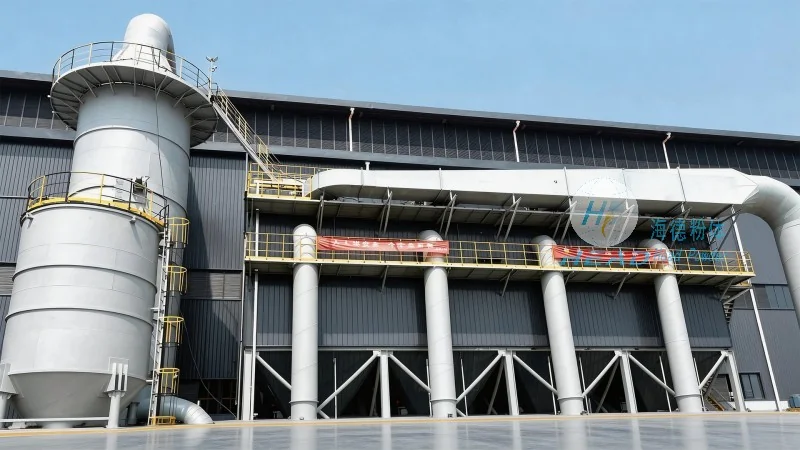
The effectiveness of a dust collection powder body pneumatic conveying line depends on several key components, each playing a crucial role in the overall system performance. The dust collector, often an electrostatic precipitator or bag filter, is responsible for capturing and separating the fine particles from the air stream. The conveying pipeline, usually made of stainless steel or plastic, is designed to withstand the pressure and temperature of the conveying medium while minimizing friction losses. The blower or compressor provides the necessary air pressure to move the powder through the pipeline. Finally, the receiving hopper collects the transported material, allowing for further processing or storage.
Design Principles and Operational Considerations
The design of a dust collection powder body pneumatic conveying line involves several critical principles to ensure optimal performance and reliability. One of the most important considerations is the selection of the appropriate conveying velocity, which must be high enough to prevent particle deposition but low enough to avoid excessive energy consumption. The system's design also takes into account the particle size, density, and moisture content of the material being conveyed, as these factors influence the required air flow rate and pressure. Additionally, the layout of the pipeline, including the number and angle of bends, is carefully planned to minimize pressure drops and ensure smooth material flow. Proper maintenance and monitoring of the system components, such as the blower, filters, and pipeline, are essential to maintain efficiency and prevent downtime.
Advantages of Using Pneumatic Conveying Systems
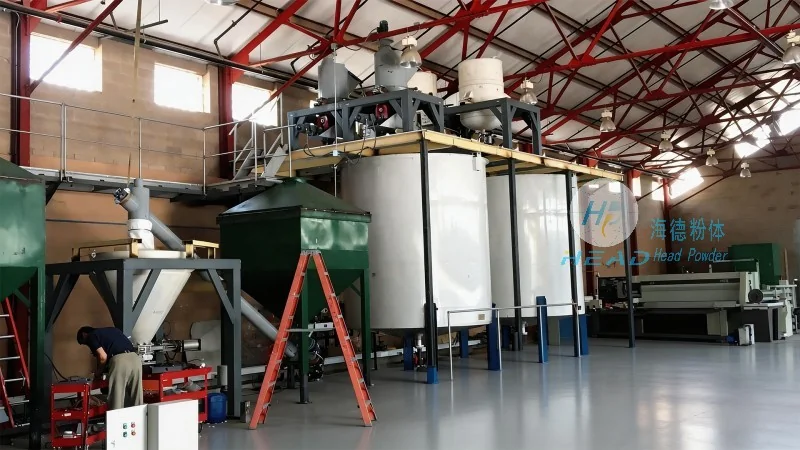
Implementing a dust collection powder body pneumatic conveying line offers numerous advantages over traditional mechanical conveying methods. These systems are highly flexible, allowing for easy reconfiguration of the pipeline layout to accommodate changes in production processes. They also provide a closed-loop operation, which helps to contain dust and prevent contamination, thereby improving workplace safety and environmental compliance. Furthermore, pneumatic conveying systems can handle a wide range of materials, from fine powders to bulk solids, with minimal product degradation. The compact design of these systems also saves valuable floor space, making them ideal for facilities with limited room for equipment installation.
Applications in Various Industries
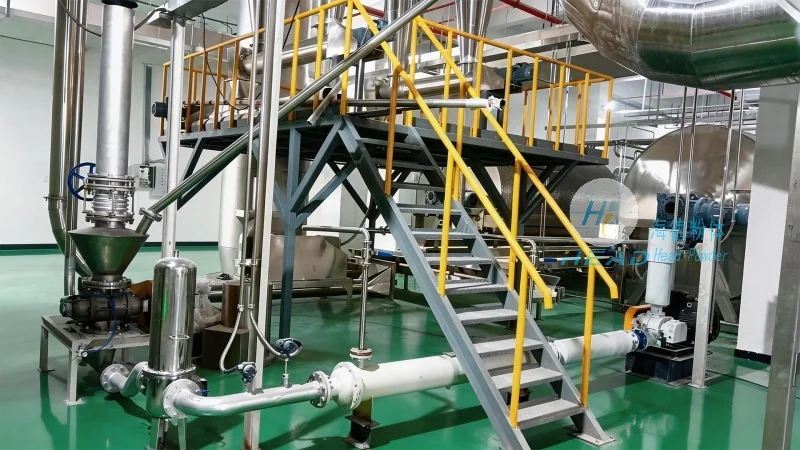
The versatility of dust collection powder body pneumatic conveying lines makes them suitable for a wide array of industrial applications. In the cement industry, these systems are used to transport raw materials and finished products, while in the chemical industry, they handle reactive powders and hazardous materials. The food processing industry benefits from their ability to convey ingredients without cross-contamination, and the pharmaceutical sector relies on their sterile and hygienic design to transport active pharmaceutical ingredients (APIs) safely. Regardless of the industry, the consistent and reliable performance of these systems ensures that production processes run smoothly and efficiently.
Conclusion
From the initial design to the final implementation, a dust collection powder body pneumatic conveying line is a sophisticated system that combines engineering expertise with practical application. By understanding the key components, design principles, and operational considerations, industries can leverage this technology to enhance their material handling processes, improve safety, and reduce environmental impact. As a trusted provider of pneumatic conveying solutions, Shandong HeadPowder Engineering Co., Ltd. is committed to delivering high-quality systems that meet the specific needs of our clients, ensuring long-term performance and reliability.