

What is an Alumina Powder Pneumatic Conveying System? And What Are Its Design Principles?
Alumina powder, a critical material in numerous industrial applications, often demands efficient and reliable transportation solutions. The alumina powder pneumatic conveying system represents a specialized technology designed to handle this material with precision and safety. This article will explore the concept of such a system and delve into its fundamental design principles, highlighting the technical aspects that ensure optimal performance.
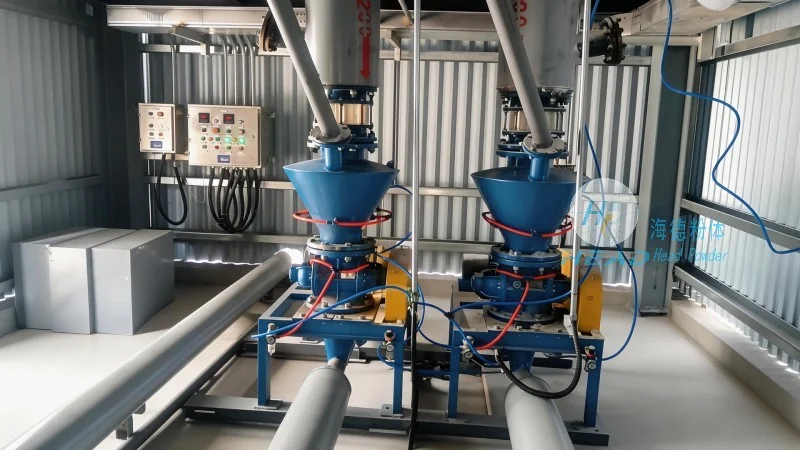
Understanding the Alumina Powder Pneumatic Conveying System
The alumina powder pneumatic conveying system utilizes air or other gases to transport alumina powder from one location to another. Unlike traditional mechanical conveying methods, which may be susceptible to material degradation or blockages, pneumatic systems offer a more controlled and efficient approach. This system is particularly valuable in industries where the purity and integrity of alumina powder are paramount, such as in the production of ceramics, refractory materials, and advanced composites.
Key Components of the System
At the core of an alumina powder pneumatic conveying system are several essential components that operate in unison to ensure smooth functionality. These components include the material feed hopper, which stores the alumina powder and regulates the flow rate; the air compressor or blower, which generates the necessary air pressure to move the powder; the conveying line, typically constructed from materials resistant to the abrasive nature of alumina powder; and the receiver or discharge hopper, where the powder is deposited at the destination. Additionally, the system may incorporate filters and cyclones to separate any entrained air from the powder, ensuring a clean and efficient process.
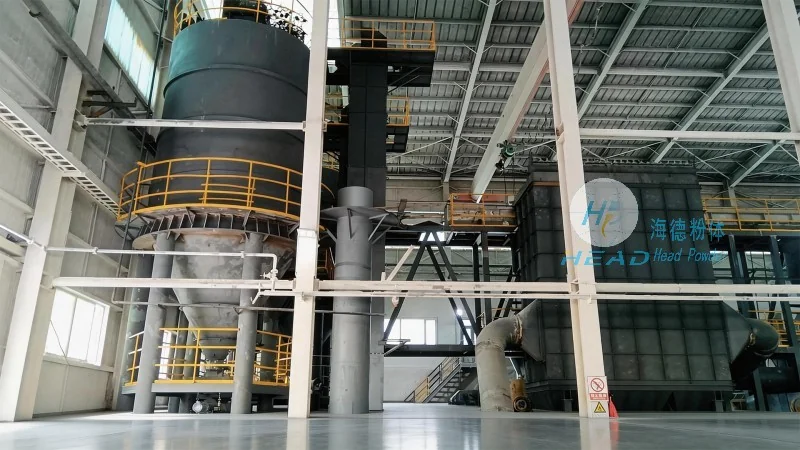
Design Principles for Optimal Performance
The design of an alumina powder pneumatic conveying system is guided by several key principles aimed at maximizing efficiency, minimizing material loss, and ensuring operational safety. One primary principle is the selection of appropriate air velocity. The velocity must be high enough to prevent powder settling or clogging the conveying line but low enough to avoid excessive wear on system components. This balance is critical for maintaining the integrity of the alumina powder and extending the system's lifespan.
Another crucial design principle is the consideration of the powder's properties, such as its particle size, density, and flowability. Alumina powder can vary significantly in these characteristics, and the system must be tailored to accommodate these variations. For instance, finer particles may require higher air velocities to prevent agglomeration, while coarser particles might need larger conveying lines to prevent blockages. The system's design also accounts for the pressure drop across the conveying line, which directly impacts energy consumption and overall efficiency.
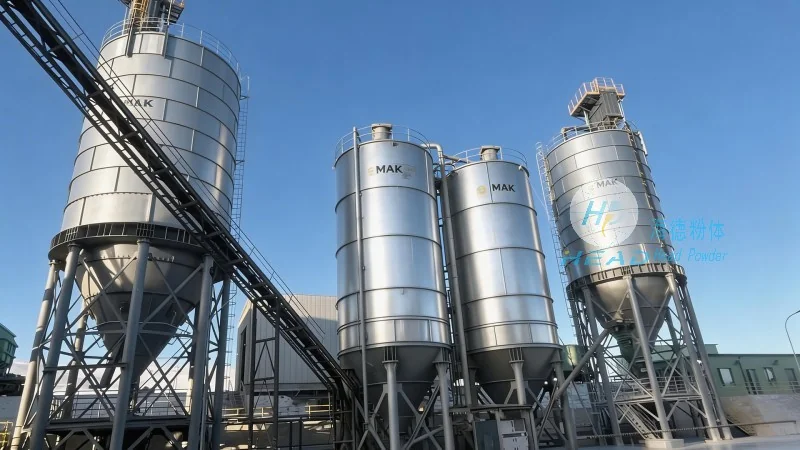
Operational Considerations and Maintenance
Once the system is designed and installed, proper operation and maintenance are essential to ensure consistent performance. Regular monitoring of air pressure, flow rates, and powder levels is necessary to detect any deviations from expected parameters. The system may also include sensors and control systems to automate these processes, enhancing reliability and reducing the risk of operational issues. Additionally, the materials used in the construction of the conveying line and other components must be selected for their resistance to corrosion and abrasion, as alumina powder can be highly abrasive and may contain impurities that could damage the system over time.
Conclusion
In conclusion, the alumina powder pneumatic conveying system is a sophisticated and effective solution for transporting alumina powder in industrial settings. Its design is based on a combination of technical principles, including appropriate air velocity, consideration of powder properties, and robust component selection. By adhering to these principles and maintaining the system properly, industries can achieve efficient, safe, and reliable transportation of alumina powder, ensuring the quality and integrity of their final products. The expertise of companies like Shandong HeadPowder Engineering Co., Ltd., which specializes in such systems, plays a vital role in optimizing these processes for their clients.