

What is a Plastic Material Handling System? And What Are Its Design Principles?
A plastic material handling system is a specialized set of equipment and processes designed to efficiently transport, store, and manage plastic materials within industrial settings. These systems are crucial for optimizing production workflows, enhancing safety, and ensuring consistent quality in manufacturing operations that involve plastic processing. The core components of such systems typically include conveyors, feeders, storage bins, and control mechanisms, all working in tandem to move raw plastic materials from storage to processing machinery and then to finished product packaging or further processing stages.
Key Components of Plastic Material Handling Systems
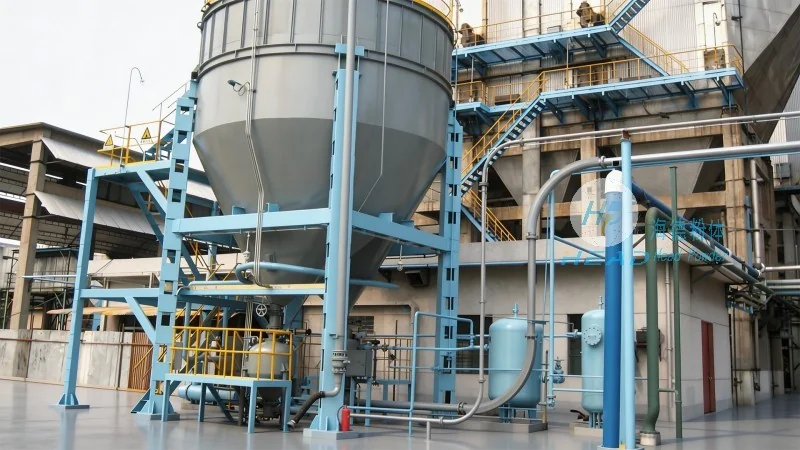
At the heart of any effective plastic material handling system are several key components that work together to ensure smooth material flow. Conveyors, such as belt conveyors or screw conveyors, are often used to transport bulk plastic materials over short to medium distances. Feeders, including vibratory feeders or rotary valves, help regulate the flow rate and orientation of plastic particles, ensuring a consistent feed to downstream equipment. Storage bins or hoppers are used to store raw plastic materials, providing a buffer between production and processing stages. Additionally, control systems, including sensors and programmable logic controllers (PLCs), monitor and adjust the operation of the system to maintain optimal performance and prevent bottlenecks or material jams.
The Design Principles Behind Plastic Material Handling Systems
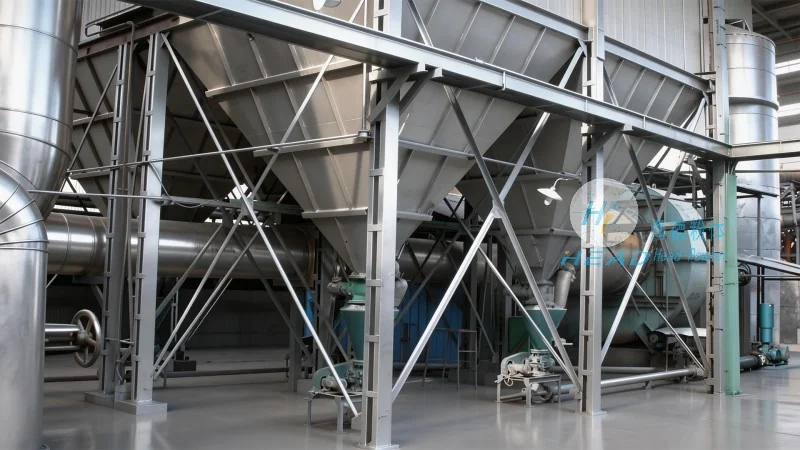
The design of a plastic material handling system is guided by several critical principles aimed at maximizing efficiency, reliability, and safety. First, the system must be tailored to the specific characteristics of the plastic materials being handled—such as density, moisture content, and particle size—to ensure that the equipment can handle them without degradation or damage. Second, the design must consider the overall production workflow, integrating seamlessly with existing machinery and processes to minimize downtime and maximize throughput. Third, safety is a paramount consideration, with features like emergency stop buttons, protective guards, and material containment systems built into the design to protect operators and prevent accidents. Finally, the system should be designed for ease of maintenance and cleaning, as plastic materials can be prone to adhesion and contamination, which can affect product quality and system performance.
Applications and Benefits of Plastic Material Handling Systems
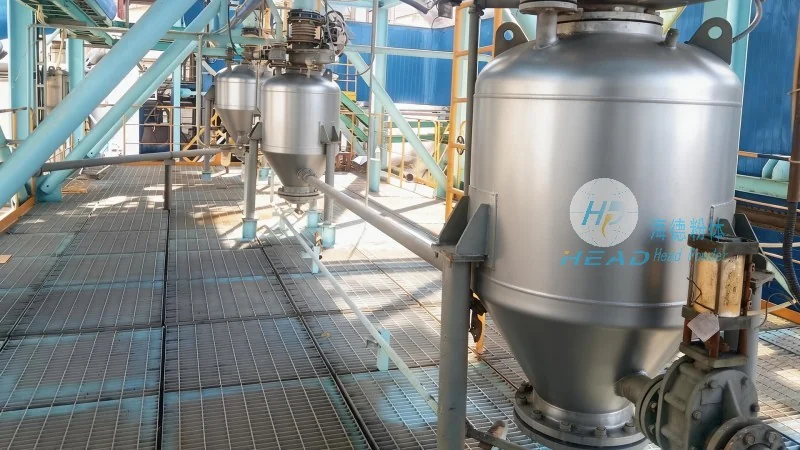
Plastic material handling systems are widely used in various industries, including automotive, packaging, and consumer goods manufacturing. In the automotive industry, for example, these systems are used to transport plastic components from raw material storage to assembly lines, ensuring a steady supply of parts for production. In packaging, they help move plastic films and containers to filling and sealing machines, improving production speed and reducing labor costs. The benefits of implementing such systems extend beyond efficiency; they also include improved product quality through consistent material handling, reduced waste due to better control over material flow, and enhanced safety for workers by minimizing manual handling of heavy or hazardous materials.
Customization and Integration: Meeting Specific Industry Needs
Given the diverse nature of plastic materials and manufacturing processes, plastic material handling systems are often customized to meet the unique needs of each client. Shandong HeadPowder Engineering Co., Ltd., a leading provider of such systems, specializes in designing and manufacturing tailored solutions that integrate seamlessly with existing production lines. The company’s expertise lies in understanding the specific requirements of different industries and tailoring the system’s components, such as conveyor types, feeder designs, and control logic, to optimize performance. This customization ensures that the system not only meets but exceeds the operational demands of the client, resulting in improved productivity and reduced operational costs.
Conclusion: The Importance of Reliable Plastic Material Handling Systems
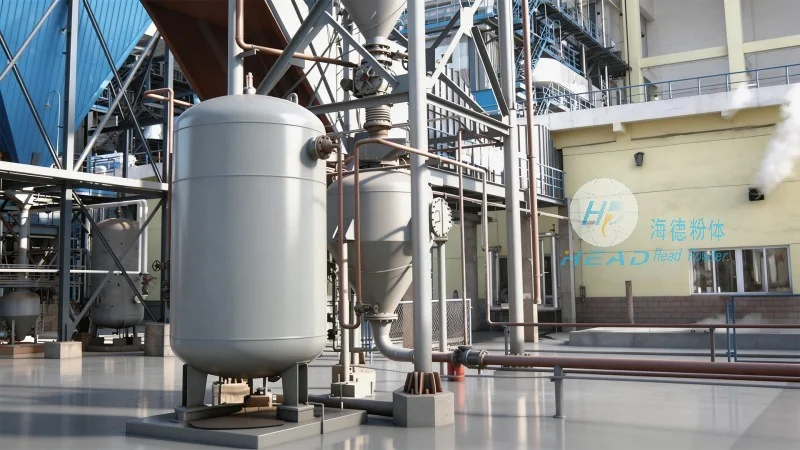
In conclusion, plastic material handling systems are essential tools for modern manufacturing, enabling efficient and safe processing of plastic materials. The design principles behind these systems focus on adaptability, integration, safety, and maintenance, ensuring that they can handle a wide range of plastic materials and production requirements. Companies like Shandong HeadPowder Engineering Co., Ltd. play a vital role in providing customized solutions that enhance production efficiency and product quality. By investing in well-designed plastic material handling systems, manufacturers can improve their operational performance, reduce costs, and stay competitive in today’s fast-paced market.