Clay powder conveying systems are essential industrial equipment used for the efficient transportation of clay powder materials. These systems are designed to handle the unique characteristics of clay, such as its fine particle size, high moisture content, and tendency to agglomerate. Understanding the design principles behind these systems is crucial for optimizing performance and ensuring reliable operation in various industrial applications.
Key Components of a Clay Powder Conveying System
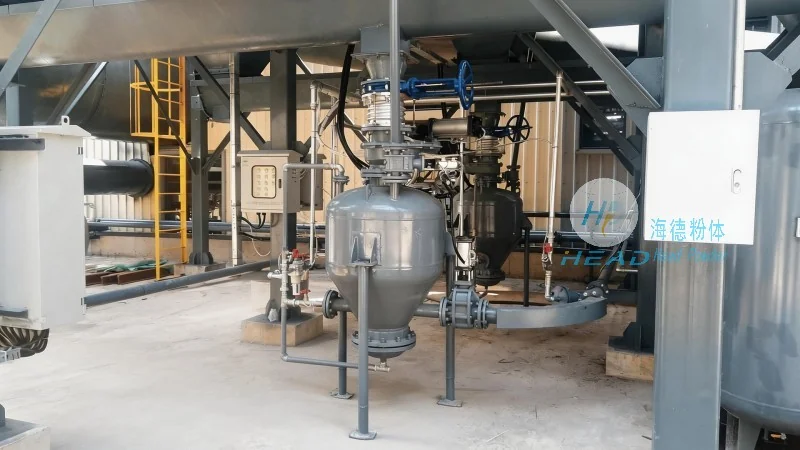
The core components of a clay powder conveying system typically include a feeding hopper, a conveyor mechanism (like a screw conveyor or pneumatic conveyor), a control system, and a dust collection unit. The feeding hopper is responsible for storing and feeding the clay powder into the system. It is often equipped with a gate or valve to regulate the flow rate. The conveyor mechanism is the heart of the system, responsible for moving the clay powder from the hopper to the destination. Screw conveyors are commonly used for horizontal or slightly inclined transport, while pneumatic conveyors are suitable for longer distances or when the material needs to be transported through vertical sections.
The control system manages the operation of the conveying process, ensuring that the flow rate, pressure, and other parameters are maintained within optimal ranges. This system may include sensors to monitor the material level in the hopper, the speed of the conveyor, and the pressure in the pneumatic lines. The dust collection unit is crucial for maintaining a clean and safe working environment, as clay powder can generate significant dust during handling.
Design Principles for Efficient Clay Powder Conveying
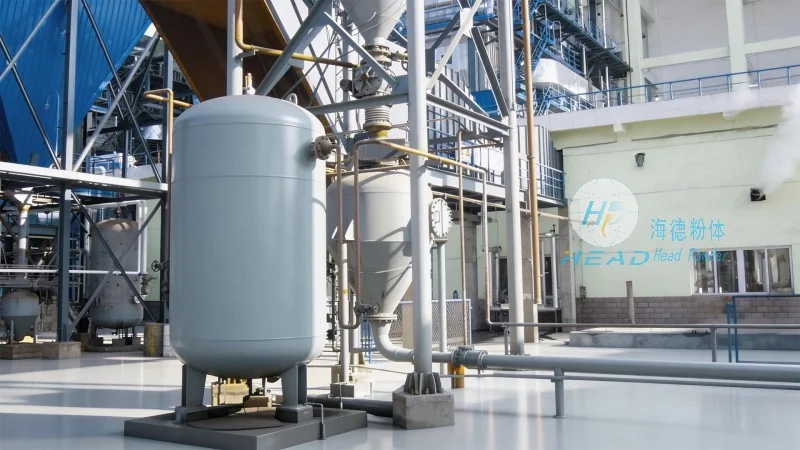
Designing an effective clay powder conveying system requires careful consideration of several factors. First, the system must be able to handle the specific properties of clay, such as its low bulk density and high moisture content. This often involves using equipment that minimizes material degradation and prevents clogging. For example, the use of flexible hoses or special screw designs can help prevent the buildup of agglomerates that could block the conveyor.
Second, the system should be designed for energy efficiency. This includes optimizing the conveyor speed and pressure to minimize energy consumption while maintaining the required flow rate. The control system plays a key role here by adjusting the parameters based on real-time conditions. Additionally, the system should be easy to maintain and clean, as clay powder can adhere to surfaces and require regular maintenance to prevent performance issues.
Application Examples and Performance Considerations
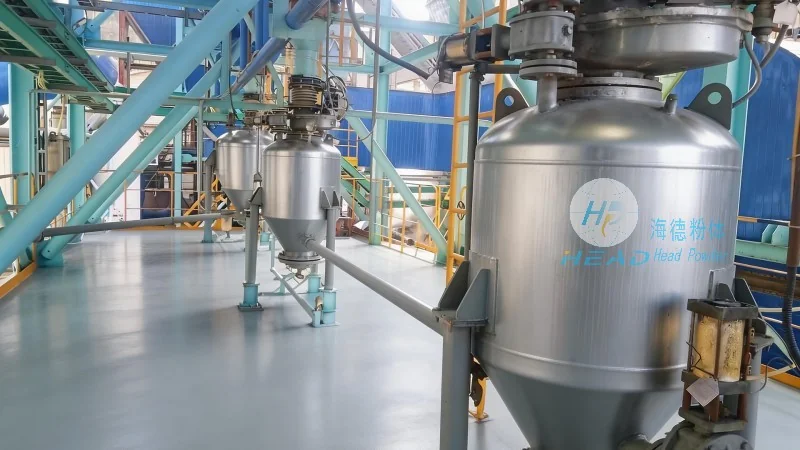
Clay powder conveying systems are widely used in industries such as ceramics, paper manufacturing, and construction. In the ceramics industry, these systems are used to transport raw clay to production lines, where it is processed into bricks or tiles. In paper manufacturing, clay is used as a filler to improve the quality and brightness of the paper. The performance of the conveying system directly impacts the quality of the final product, as any variation in the material flow can affect the consistency of the end product.
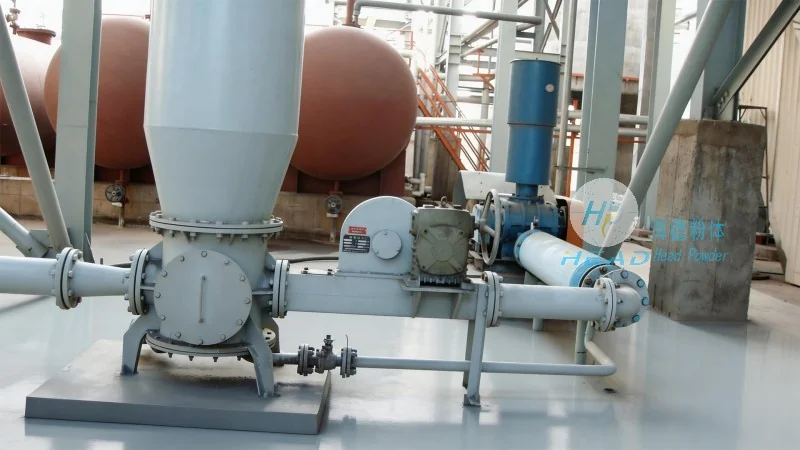
When selecting a clay powder conveying system, several performance considerations must be taken into account. The system must be able to handle the specific particle size distribution of the clay, as different sizes may require different conveyor designs. The system should also be able to handle variations in moisture content, as this can affect the material's flowability. Additionally, the system must be compatible with the existing infrastructure and production processes, ensuring seamless integration into the overall workflow.
About Shandong HeadPowder Engineering Co., Ltd.
Shandong HeadPowder Engineering Co., Ltd., commonly known as headpowder, is a leading manufacturer of industrial conveying systems. With a focus on innovation and quality, the company specializes in designing and manufacturing clay powder conveying systems tailored to the unique needs of various industries. Headpowder's products are known for their reliability, efficiency, and durability, making them a trusted choice for businesses requiring reliable material handling solutions. The company is based in Shandong, China, and serves clients worldwide with a commitment to providing high-quality equipment and excellent customer service.




