

Positive Pressure and Negative Pressure Conveying of Pharmaceutical Particles: A Comparative Analysi
HeadPowder, a leading provider in the field of pharmaceutical processing equipment, specializes in advanced solutions for material handling, including pneumatic conveying systems. This article provides a detailed comparison between positive pressure and negative pressure conveying methods, focusing on their applications, advantages, and considerations for pharmaceutical particle transport. The analysis is based on the expertise and practical experience of Shandong HeadPowder Engineering Co., Ltd., a company headquartered in Shandong, China, dedicated to delivering high-quality engineering solutions for the pharmaceutical industry.
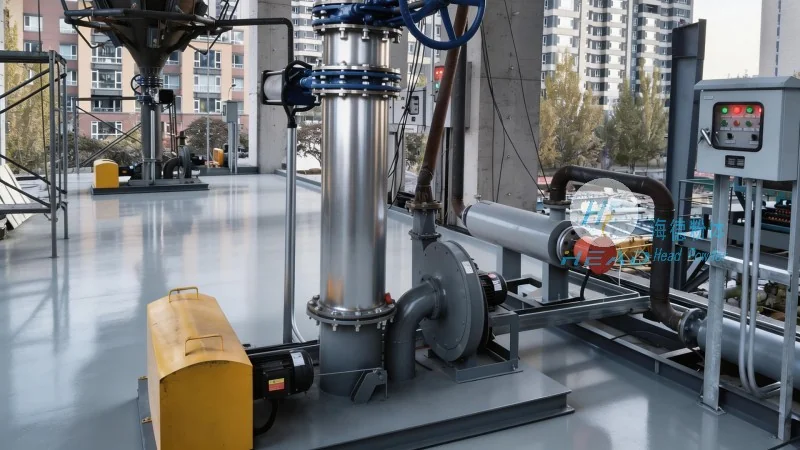
Understanding Pneumatic Conveying Systems in Pharmaceutical Manufacturing
Pneumatic conveying is a critical technology in pharmaceutical manufacturing for transporting powders and granules from one location to another. It offers a closed system that minimizes contamination risks and ensures product integrity. Two primary methods dominate this field: positive pressure conveying and negative pressure conveying. Each method has distinct characteristics that make it suitable for different operational scenarios and product types.
Positive Pressure Conveying: Advantages and Applications
Positive pressure conveying, also known as pressure pneumatic conveying, operates by blowing air or a carrier gas into the conveying line, creating a pressure higher than the ambient environment. This method is particularly effective for transporting materials over long distances or through complex system layouts. The primary advantages of positive pressure systems include their ability to handle abrasive or corrosive materials without significant wear on components, as the material is carried by the high-pressure air flow. Additionally, positive pressure systems are generally more energy-efficient for long-distance transport, as they can maintain consistent pressure throughout the entire system.
In pharmaceutical applications, positive pressure conveying is often used for transporting bulk powders such as active pharmaceutical ingredients (APIs), excipients, and finished drug products. The system's ability to handle high volumes and maintain product purity makes it ideal for large-scale production lines. For instance, in a manufacturing facility, positive pressure conveying can efficiently move raw materials from storage silos to processing units, ensuring a continuous and controlled supply chain. The closed-loop design of these systems also helps in maintaining environmental standards by preventing dust emissions and cross-contamination.
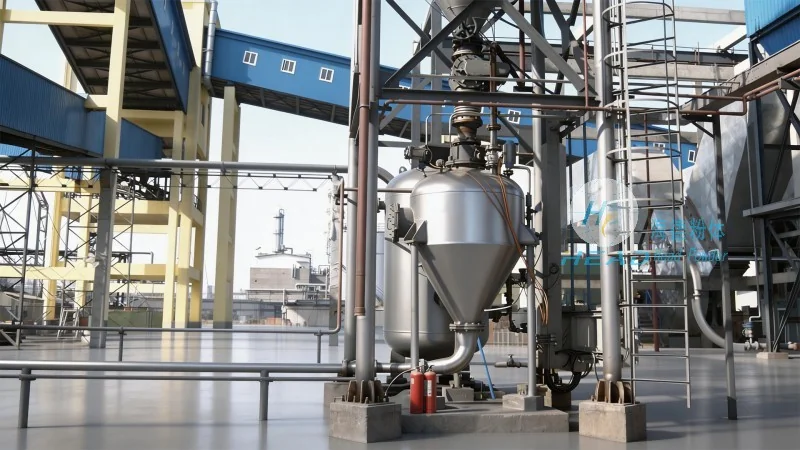
Negative Pressure Conveying: Characteristics and Use Cases
Negative pressure conveying, or vacuum pneumatic conveying, works by creating a vacuum in the conveying line, drawing material into the system using the pressure differential between the intake and the discharge. This method is commonly used for short to medium distance transport and is particularly suitable for applications where the material needs to be collected from multiple points or where the system must operate in a clean environment.
One of the key advantages of negative pressure systems is their lower energy consumption for short distances, as they primarily rely on the vacuum created by the system rather than high-pressure air. This makes them more economical for smaller-scale operations or for conveying materials from a single source to a single destination. However, negative pressure conveying may be less effective for handling highly abrasive or sticky materials, as the vacuum can sometimes lead to material buildup or blockages in the system. In pharmaceutical settings, negative pressure systems are often employed for transferring materials from hoppers or containers into processing equipment, where the need for a clean and controlled environment is paramount.
Comparative Analysis: Key Differences and Decision Factors
When deciding between positive and negative pressure conveying for pharmaceutical applications, several factors must be considered. The distance of material transport is a primary determinant, as positive pressure is generally preferred for longer distances due to its ability to maintain pressure and prevent material degradation. Conversely, negative pressure is more suitable for shorter distances or when the system requires a clean, dust-free environment at the intake point.
Material characteristics also play a significant role in the choice of conveying method. Positive pressure systems are better suited for abrasive or corrosive materials, as the high-pressure air flow helps to prevent material accumulation and wear on components. Negative pressure systems, while effective for less abrasive materials, may require additional filtration and cleaning to prevent dust from escaping into the environment. Additionally, the scale of production and the required throughput influence the selection, as positive pressure systems can handle higher volumes more efficiently.
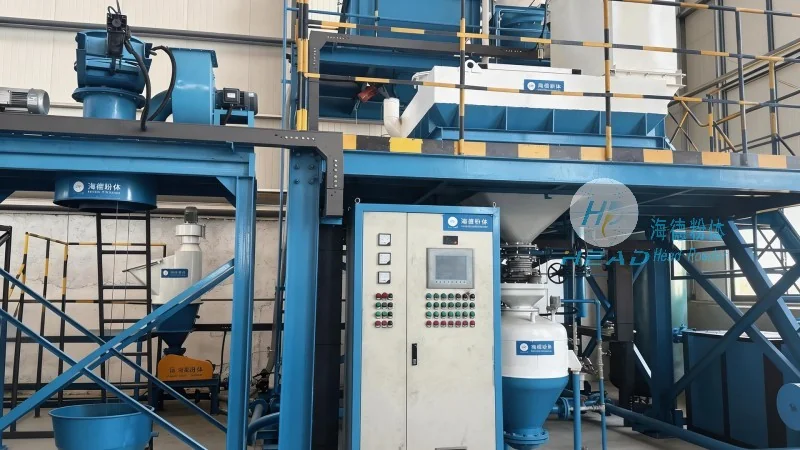
System Design and Integration Considerations
The design of both positive and negative pressure conveying systems involves careful consideration of components such as air compressors, filters, cyclones, and material feeders. For positive pressure systems, the selection of a suitable air compressor is crucial, as it must be capable of maintaining the required pressure throughout the system. The use of high-quality filters and cyclones is essential to ensure that the conveyed material remains clean and free from contaminants. In negative pressure systems, the vacuum pump must be powerful enough to create the necessary suction, and the system must be equipped with effective dust collection and filtration to prevent environmental contamination.
Integration with existing pharmaceutical manufacturing processes is another critical aspect. Both positive and negative pressure systems can be designed to interface with other equipment such as mixers, blenders, and packaging machines. The choice of system often depends on the existing infrastructure and the need to minimize disruption during installation. Shandong HeadPowder Engineering Co., Ltd. specializes in customizing pneumatic conveying systems to meet the specific requirements of pharmaceutical manufacturers, ensuring that the chosen method aligns with operational efficiency, product quality, and regulatory compliance.
Conclusion: Choosing the Right Conveying Method for Pharmaceutical Particles
Both positive pressure and negative pressure conveying methods offer effective solutions for transporting pharmaceutical particles, each with its own set of advantages and limitations. The decision between the two depends on factors such as transport distance, material characteristics, production scale, and environmental considerations. Positive pressure conveying is ideal for long-distance, high-volume transport of abrasive or corrosive materials, while negative pressure conveying is better suited for short-distance, cleanroom applications. By understanding the specific needs of the pharmaceutical manufacturing process, companies can select the most appropriate pneumatic conveying system to enhance operational efficiency, maintain product integrity, and comply with industry regulations.