

Principle and Working Scene Characteristics of Polyvinylidene Fluoride (PVDF) Powder Handling Equipm
Shandong HeadPowder Engineering Co., Ltd., located in Shandong, China, specializes in the design and manufacturing of powder handling equipment, particularly for specialized powders like Polyvinylidene Fluoride (PVDF). The company's focus is on providing reliable and efficient solutions for the transportation of PVDF powders, which are widely used in various industries due to their exceptional chemical resistance, mechanical strength, and purity.
PVDF Powder Properties and Handling Challenges
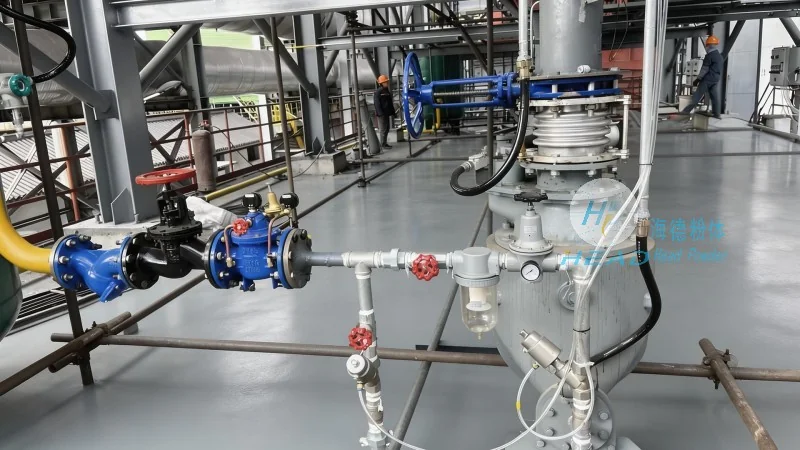
Polyvinylidene Fluoride (PVDF) is a high-performance fluoropolymer known for its outstanding chemical stability, resistance to acids, bases, and solvents, as well as its excellent thermal and mechanical properties. These characteristics make PVDF a preferred material in industries such as chemical processing, pharmaceuticals, electronics, and coatings. However, handling PVDF powders presents unique challenges due to their fine particle size, tendency to agglomerate, and sensitivity to moisture. Traditional bulk material handling equipment may not be suitable for PVDF powders, as they can cause contamination, equipment corrosion, or product degradation. Therefore, specialized powder handling systems are essential to ensure the safe and efficient transfer of PVDF powders.
Principle of Polyvinylidene Fluoride Powder Handling Equipment
The core principle of PVDF powder handling equipment is to transfer the powder from a source to a destination while maintaining its purity, integrity, and preventing environmental contamination. The equipment typically employs either pneumatic (air-assisted) or mechanical (mechanical-driven) conveying methods, depending on the application requirements and the characteristics of the PVDF powder. Pneumatic conveying systems use compressed air to create a flow of powder through a pipeline, while mechanical conveying systems rely on screw conveyors, vibratory feeders, or belt conveyors to move the powder. Both systems incorporate critical components such as feed hoppers, air locks, filters, and control valves to regulate the flow and ensure smooth operation.
Key Components and Design Features
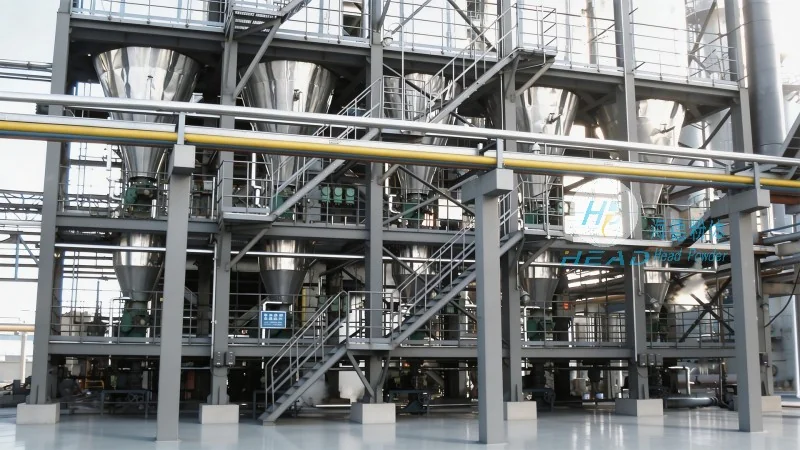
Several key components are integral to the effective operation of PVDF powder handling equipment. The feed hopper is designed to store and meter the PVDF powder, often equipped with a rotary valve or star feeder to control the discharge rate. The conveying pipeline is typically made of materials resistant to PVDF's chemical properties, such as stainless steel or specialized plastics, to prevent corrosion and ensure durability. Air locks and pressure vessels are used to isolate the powder from the air system, preventing dust leakage and maintaining a controlled environment. Additionally, filtration systems are incorporated to capture any fine particles and prevent them from escaping into the atmosphere, ensuring compliance with environmental regulations and maintaining product quality.
Working Scene Characteristics and Applications
PVDF powder handling equipment is utilized in diverse working environments across multiple industries, each with specific requirements that influence the equipment's design and performance. In the chemical industry, the equipment is often deployed in corrosive environments where PVDF powders are used to produce coatings, resins, or specialty chemicals. The equipment must be constructed from materials that can withstand harsh chemical exposure, such as Hastelloy or PTFE-lined components, to ensure long-term reliability. In the pharmaceutical industry, high-purity PVDF powders are used in the manufacturing of medical devices and drug delivery systems. The equipment in this sector is designed to maintain a sterile and dust-free environment, with features like HEPA filters and enclosed systems to prevent contamination. The electronics industry also relies on PVDF powder handling equipment for applications such as the production of printed circuit boards (PCBs) and semiconductor components. Here, the equipment is often integrated into cleanroom environments, with strict controls on particle count and air quality to meet industry standards.
Advantages and Benefits in Practical Applications
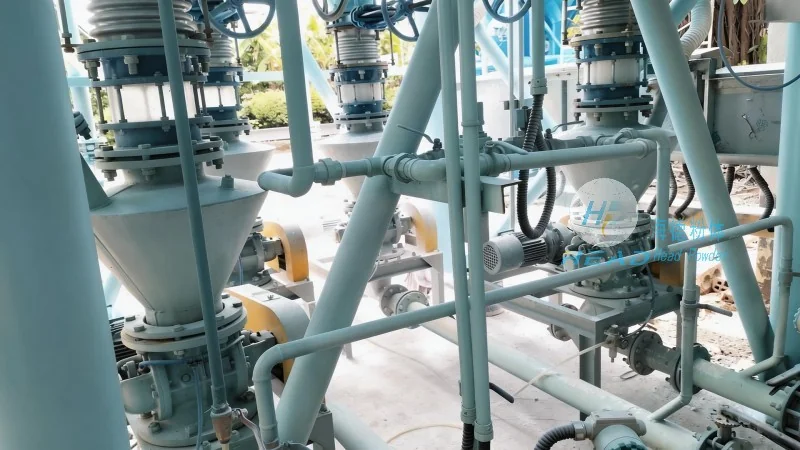
The use of specialized PVDF powder handling equipment offers several advantages in real-world applications. Firstly, it ensures the preservation of PVDF's high purity and chemical properties, which is critical for downstream processes. The equipment's design minimizes the risk of contamination from external sources, such as moisture or foreign particles, thereby maintaining the quality of the final product. Secondly, the equipment enhances operational efficiency by providing consistent and reliable powder flow, reducing downtime and improving production throughput. The ability to adjust conveying parameters, such as air pressure or screw speed, allows for flexibility in handling different powder characteristics and production rates. Thirdly, the equipment contributes to environmental safety by preventing dust emissions and ensuring proper containment of the powder, which aligns with regulatory requirements and promotes a safe working environment.
Conclusion
Shandong HeadPowder Engineering Co., Ltd. provides advanced PVDF powder handling equipment that addresses the unique challenges associated with processing this high-performance polymer. By integrating robust design, precise control systems, and specialized materials, the equipment ensures efficient, safe, and environmentally compliant transportation of PVDF powders across various industrial applications. The company's commitment to quality and innovation has made its solutions a trusted choice for businesses seeking reliable powder handling solutions in the PVDF industry.