

Main Structures in Magnesium Powder Pneumatic Conveying Systems
For industrial applications involving magnesium powder, efficient and reliable material handling is crucial. The pneumatic conveying system is a key technology that enables the transport of magnesium powder from one location to another without the need for mechanical components like conveyors or buckets. This method not only enhances operational safety but also improves the overall efficiency of production processes. In this context, understanding the main structures of magnesium powder pneumatic conveying systems is essential for optimizing performance and ensuring consistent material flow. As a leading provider in the field, Shandong HeadPowder Engineering Co., Ltd. (HeadPowder) specializes in designing and manufacturing high-quality pneumatic conveying systems tailored to the unique demands of magnesium powder handling.
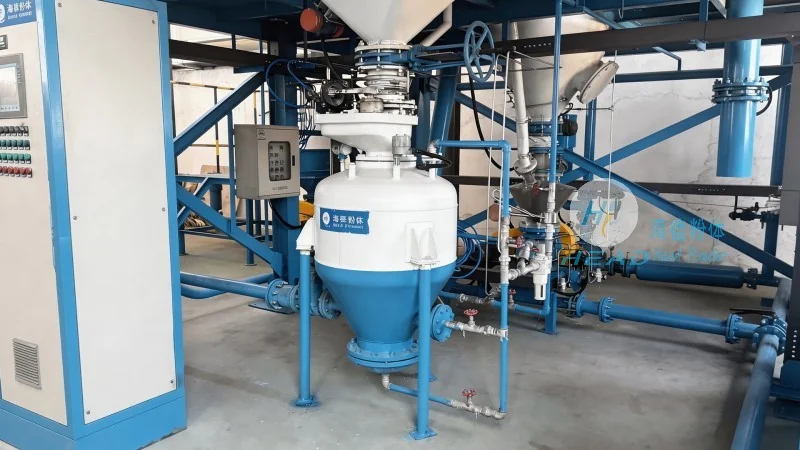
Overview of Magnesium Powder Pneumatic Conveying Systems
Magnesium powder pneumatic conveying systems are designed to handle the unique properties of magnesium powder, which includes its light weight, potential for dust explosion, and sensitivity to moisture. The system typically consists of several interconnected components that work together to achieve seamless material transport. These components are engineered to meet the specific demands of magnesium powder, ensuring that the conveying process is both safe and effective.
Key Structural Components of Magnesium Powder Pneumatic Conveying
The primary structures in a magnesium powder pneumatic conveying system include the feeding unit, conveying pipeline, separation and recovery system, and control unit. Each component plays a vital role in the overall operation of the system, and their design is tailored to the characteristics of magnesium powder. The feeding unit is responsible for introducing the powder into the conveying pipeline in a controlled manner, while the conveying pipeline transports the material to the desired destination. The separation and recovery system ensures that any powder lost during the process is captured and returned to the system, minimizing waste. The control unit manages the operation of the system, adjusting parameters such as air pressure and flow rate to maintain optimal performance.
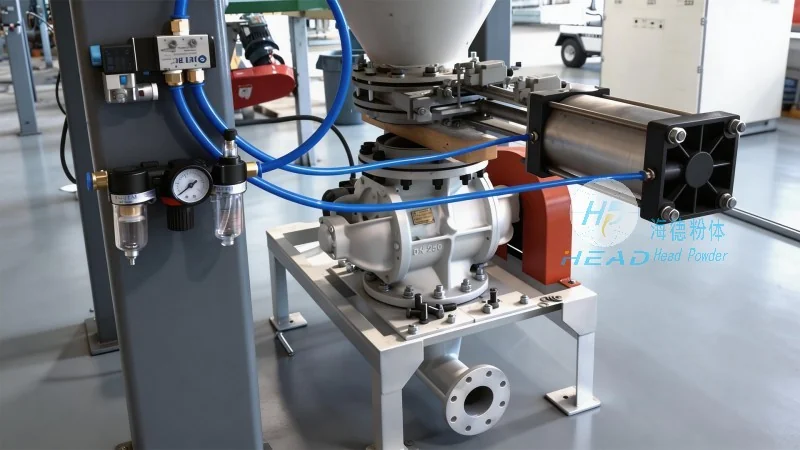
The Feeding Unit: Ensuring Consistent Material Input
The feeding unit is a critical component of the magnesium powder pneumatic conveying system. It is responsible for introducing the magnesium powder into the conveying pipeline in a controlled manner. For magnesium powder, which can be prone to bridging or caking, the feeding unit must be designed to prevent these issues and ensure a steady flow of material. Common feeding methods include rotary valves, star feeders, and screw feeders, each with its own advantages depending on the specific application. The feeding unit is typically equipped with a hopper that stores the magnesium powder, allowing for continuous operation without interruption. The design of the hopper and feeding mechanism is crucial to prevent material degradation and maintain the quality of the powder.
The Conveying Pipeline: Design for Efficiency and Safety
The conveying pipeline is the core of the magnesium powder pneumatic conveying system, responsible for transporting the magnesium powder from the feeding unit to the destination. The pipeline is usually made of materials that are resistant to corrosion and wear, such as stainless steel or polyethylene, to withstand the abrasive nature of magnesium powder. The design of the pipeline includes considerations for air velocity, which must be sufficient to maintain the powder in suspension but not so high as to cause excessive pressure drops or energy consumption. The pipeline may also include bends and elbows, which are designed to minimize pressure loss and prevent powder deposition. Additionally, the pipeline is equipped with pressure sensors and flow meters to monitor the system's performance and ensure that the conveying process is running smoothly.
Separation and Recovery System: Minimizing Waste and Enhancing Efficiency
The separation and recovery system is an essential part of the magnesium powder pneumatic conveying system, as it helps to minimize material loss and improve overall efficiency. This system typically includes a cyclone separator, which uses centrifugal force to separate the magnesium powder from the air stream. The separated powder is then collected and returned to the system, while the air is discharged. The cyclone separator is designed to handle the high dust load associated with magnesium powder, ensuring that the separation process is effective and efficient. In addition to the cyclone separator, some systems may include a bag filter or a cartridge filter to further clean the air and prevent dust from escaping into the environment. The separation and recovery system is crucial for maintaining the quality of the magnesium powder and reducing operational costs by minimizing waste.
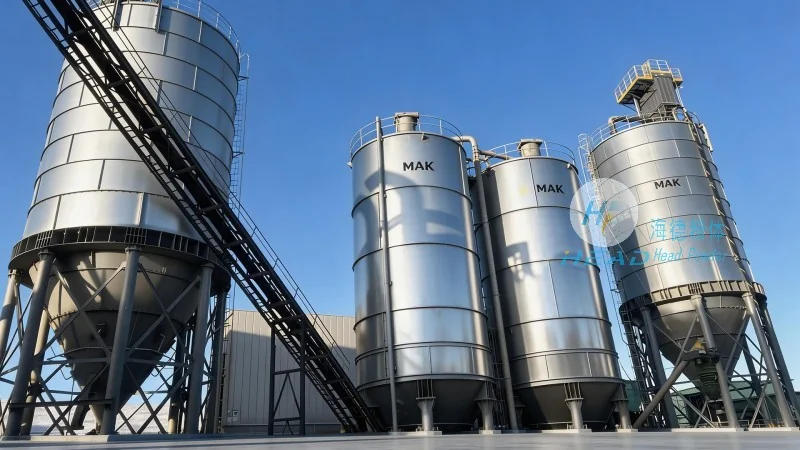
Control Unit: Managing System Performance and Safety
The control unit is responsible for managing the operation of the magnesium powder pneumatic conveying system, ensuring that all components are working together efficiently and safely. The control unit typically includes a programmable logic controller (PLC) that monitors and controls the system's parameters, such as air pressure, flow rate, and feeding rate. The PLC is programmed to adjust these parameters based on real-time data from sensors, such as pressure sensors, flow meters, and level sensors. The control unit also includes safety features, such as emergency shut-off valves and pressure relief valves, to prevent accidents and protect personnel and equipment. The design of the control unit is crucial for ensuring the reliability and safety of the magnesium powder pneumatic conveying system, as it allows for precise control and monitoring of the entire process.
Conclusion: Optimizing Magnesium Powder Handling with Proper Structures
In conclusion, the main structures of magnesium powder pneumatic conveying systems are critical to the efficient and safe handling of magnesium powder. Each component, from the feeding unit to the separation and recovery system, plays a vital role in ensuring that the material is transported effectively and with minimal waste. The design of these components must take into account the unique properties of magnesium powder, including its light weight, potential for dust explosion, and sensitivity to moisture. By understanding and optimizing these structures, industrial facilities can improve their production processes, reduce operational costs, and enhance overall safety. The expertise of companies like Shandong HeadPowder Engineering Co., Ltd. (HeadPowder) is essential in designing and implementing effective magnesium powder pneumatic conveying systems that meet the specific needs of industrial applications.