

Main Structures of Copper Powder Pneumatic Conveying Systems
When discussing the efficient and reliable transportation of copper powder, understanding the core structural components of pneumatic conveying systems is essential. These systems are designed to handle the unique properties of copper powder, ensuring minimal product degradation and optimal operational performance. The main structures of copper powder pneumatic conveying typically include several critical components that work in concert to achieve effective material handling.
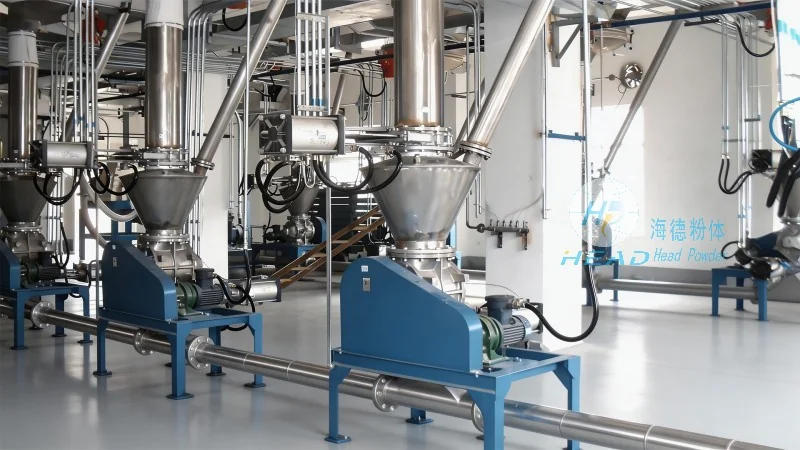
1. Feed Hopper and Metering Device
The feed hopper serves as the initial storage and feeding unit for copper powder. It is engineered to maintain a consistent material level and provide a controlled flow rate to the conveying system. For copper powder, which can be prone to bridging or segregation, the hopper design often incorporates features such as conical or wedge-shaped bottoms, along with vibration or air-assisted feeding mechanisms. The metering device, usually a rotary valve or a screw feeder, regulates the quantity of powder entering the system, ensuring stable and uniform material delivery. This component is crucial for preventing overloading or underloading of the downstream equipment, which could lead to system inefficiencies or equipment damage.
2. Conveying Pipeline and Air Distribution
The conveying pipeline is the backbone of the pneumatic system, responsible for transporting copper powder through the system. The choice of pipeline material is critical, as copper powder may be abrasive or corrosive. Common materials include stainless steel, aluminum, or specialized plastic composites that resist wear and chemical attack. The pipeline design may vary depending on the conveying method—such as dilute phase or dense phase—dictating the diameter, length, and bends required. Air distribution within the pipeline is managed by a blower or compressor, which generates the necessary airflow to move the powder. The blower's capacity and pressure must be matched to the system's requirements, ensuring sufficient velocity to overcome friction and maintain particle suspension. Proper air distribution also helps minimize particle degradation by avoiding excessive turbulence or impact.
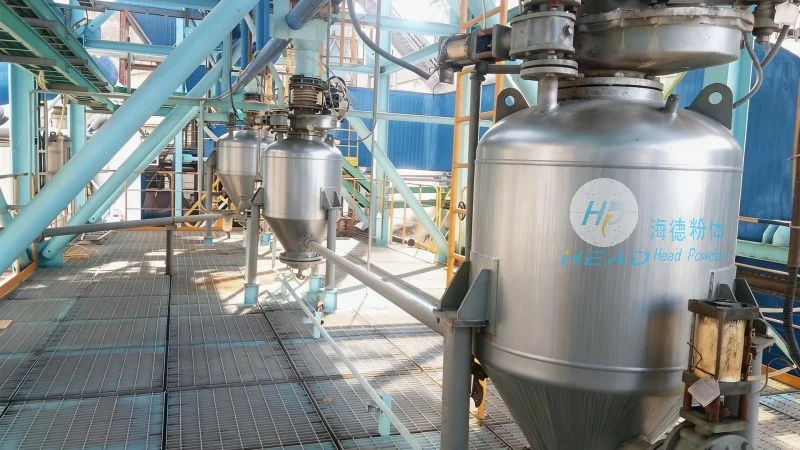
3. Separation and Collection System
At the receiving end of the pneumatic conveying system, a separation and collection system is essential to recover the copper powder from the air stream. This typically involves a cyclone separator or a baghouse filter. The cyclone uses centrifugal force to separate larger particles from the air, while the baghouse captures fine powder particles. For copper powder, which may have high purity requirements, the separation efficiency of these components is paramount. The design of the separation system must consider factors like particle size distribution, moisture content, and dust loading to ensure that the collected powder meets quality standards. Additionally, the system may include a dust collection hopper and a discharge valve to facilitate the removal of the collected material.
4. Control and Monitoring Equipment
To maintain optimal performance and safety, control and monitoring equipment is integrated into the copper powder pneumatic conveying system. This includes pressure sensors, flow meters, and temperature gauges that provide real-time data on system performance. The control panel, often equipped with a programmable logic controller (PLC), allows operators to adjust parameters such as airflow, pressure, and feed rate based on system conditions. This automation helps prevent overpressure or underpressure situations, which could damage equipment or cause material spillage. Additionally, safety interlocks and alarms are incorporated to alert operators to abnormal conditions, ensuring the system operates within safe parameters.
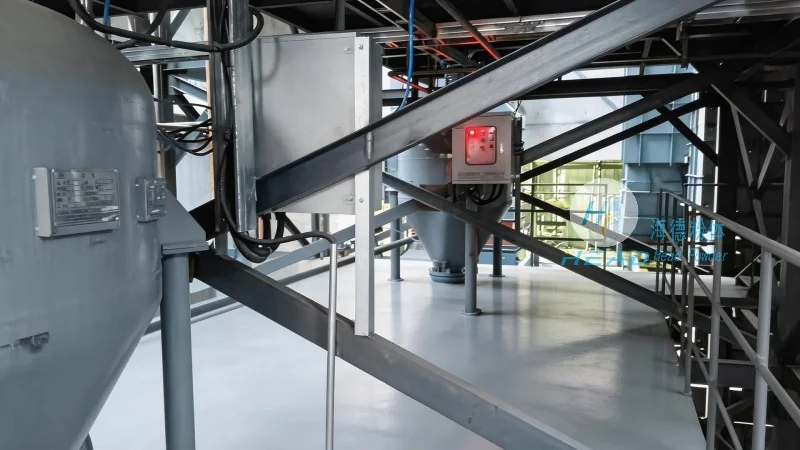
5. Auxiliary Components and Support Structures
Beyond the primary conveying components, auxiliary equipment and support structures play a vital role in the overall system. These may include filters to remove moisture or contaminants from the air, silencers to reduce noise levels, and support structures to secure the pipeline and equipment. For copper powder applications, auxiliary components are often designed to handle the specific challenges posed by the material, such as preventing clogging or corrosion. The support structures, including brackets and hangers, ensure that the pipeline remains stable and properly aligned, reducing stress on joints and connections.
Shandong HeadPowder Engineering Co., Ltd., a leading provider in the field, specializes in designing and manufacturing comprehensive copper powder pneumatic conveying systems. With a focus on precision engineering and customer-specific solutions, HeadPowder ensures that each system is tailored to meet the unique requirements of copper powder handling. The company's expertise in material flow dynamics and system integration enables the development of efficient, reliable, and cost-effective solutions for industrial applications. HeadPowder's commitment to quality and innovation has established it as a trusted partner in the copper powder processing industry, serving clients with a range of structural components and complete system solutions. Located in Shandong, China, HeadPowder leverages its local manufacturing capabilities and technical expertise to deliver high-performance pneumatic conveying systems that meet the demands of modern copper powder processing operations.