

Principle and Working Scene Characteristics of Precipitated Barium Sulfate Powder Handling Equipment
For industries dealing with precipitated barium sulfate, efficient and reliable powder handling is crucial. The equipment designed for this purpose operates on principles that ensure safe and effective material transport. This article explores the core principles behind such equipment and highlights the key working scene characteristics that define its application in various industrial settings.
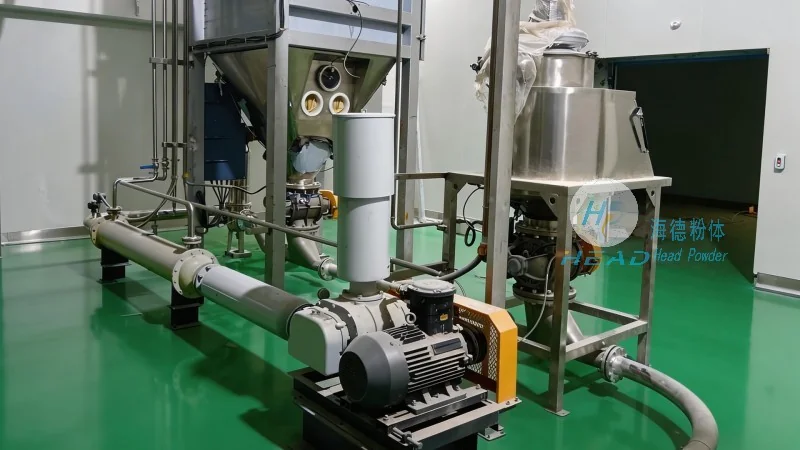
Understanding the Core Principles of Precipitated Barium Sulfate Powder Handling Equipment
The handling of precipitated barium sulfate powder requires specialized equipment that addresses the unique properties of the material. These properties include its fine particle size, high density, and potential for dust generation. The equipment is engineered to manage these characteristics through a combination of mechanical and pneumatic systems. The primary principle is to maintain material integrity while ensuring minimal loss and contamination during transport. This is achieved through features like sealed conveying systems, which prevent exposure to air and moisture, and specialized valves that control flow precisely. The design also incorporates safety mechanisms to handle the potential for dust explosions, such as explosion-proof components and dust collection systems.
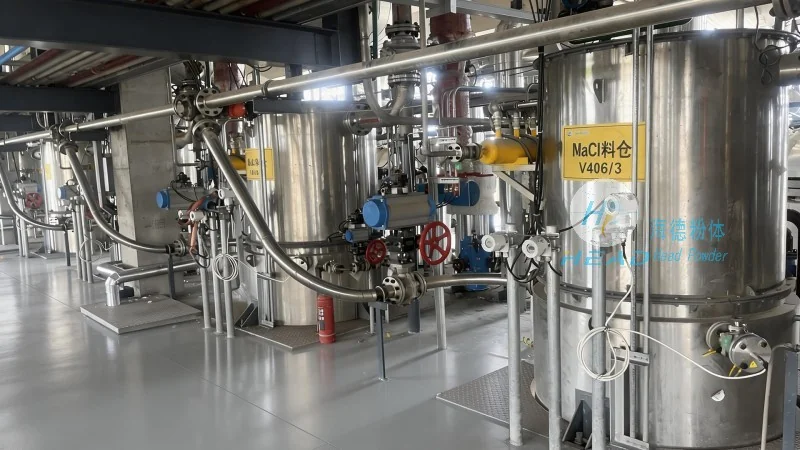
Key Working Scene Characteristics and Applications
The working scene characteristics of precipitated barium sulfate powder handling equipment are tailored to the specific demands of industrial environments. These characteristics include high capacity and continuous operation, which are essential for large-scale production lines. The equipment is often integrated into automated production systems, allowing for seamless material transfer between processing stages. Another key characteristic is its adaptability to different particle sizes and moisture levels, making it suitable for various applications in the chemical, pharmaceutical, and coating industries. For instance, in the pharmaceutical sector, the equipment ensures that the powder is handled under sterile conditions, minimizing the risk of contamination. In the coating industry, the precise control of flow helps maintain consistent product quality. The working scenes also involve considerations of space efficiency, as the equipment is designed to fit into existing production layouts without requiring extensive modifications. This adaptability makes the equipment versatile for both new installations and retrofitting into existing facilities.
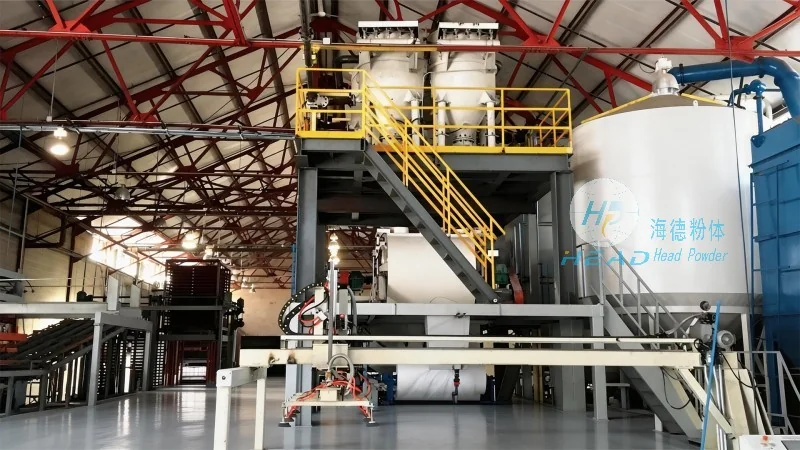
Advantages and Performance Metrics in Real-World Scenarios
When evaluating the performance of precipitated barium sulfate powder handling equipment, several advantages stand out. The equipment offers high efficiency in material transport, with minimal downtime due to its robust construction and reliable components. The sealed conveying systems reduce material loss, which is critical for cost management in industrial operations. Additionally, the equipment enhances workplace safety by controlling dust exposure and preventing accidental spills. Performance metrics such as throughput capacity, which can range from several tons per hour to higher volumes depending on the system size, are key indicators of its effectiveness. The equipment also demonstrates durability, with long service life and low maintenance requirements, contributing to overall operational cost savings. These advantages make it a preferred choice for industries that demand consistent and reliable powder handling solutions.
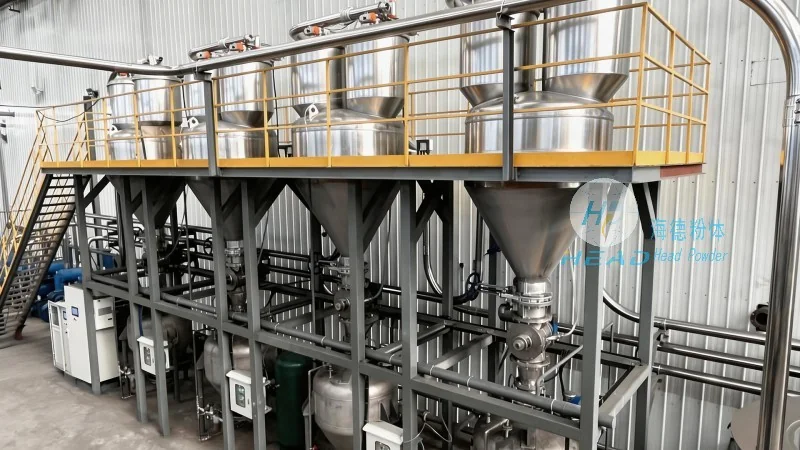
Conclusion: The Role of Precipitated Barium Sulfate Powder Handling Equipment in Modern Production
In conclusion, the principles and working scene characteristics of precipitated barium sulfate powder handling equipment play a vital role in optimizing industrial processes. The equipment’s design addresses the unique challenges of handling fine powders, ensuring efficiency, safety, and product quality. As industries continue to evolve, the adaptability and performance of such equipment remain essential for maintaining competitiveness. The integration of advanced technologies, such as automated control systems and real-time monitoring, further enhances its capabilities, making it a cornerstone of modern production lines. For companies operating in the chemical, pharmaceutical, and coating sectors, investing in high-quality powder handling equipment is not just a choice but a necessity to meet production demands and maintain industry standards.