

[Corn Cob Positive Pressure and Negative Pressure Conveying: A Comparative Analysis of Two Pneumatic
For industries dealing with corn cob processing, selecting the right pneumatic conveying system is crucial for efficiency, cost-effectiveness, and operational safety. Two primary methods dominate the market: positive pressure conveying and negative pressure conveying. This article provides a detailed comparison of these two approaches, focusing on their applications, advantages, and considerations for corn cob handling, with insights from Shandong HeadPowder Engineering Co., Ltd., a leading provider of specialized material handling solutions.
Understanding Pneumatic Conveying Basics
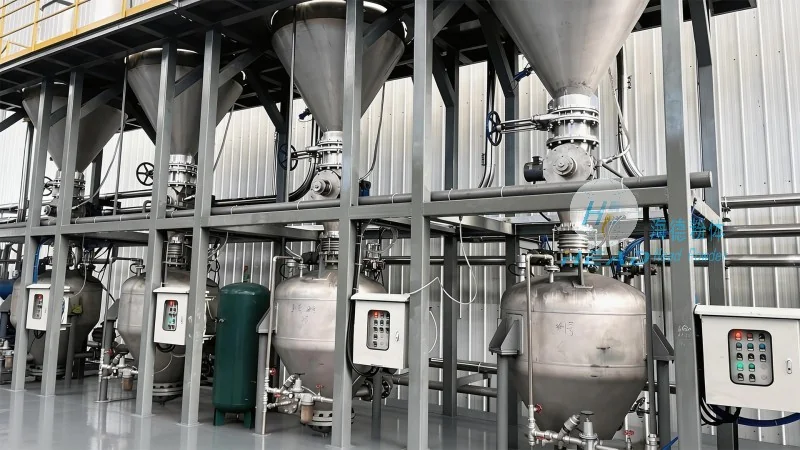
Pneumatic conveying systems use air or gas to transport bulk materials like corn cob through a pipeline. The two main categories are positive pressure and negative pressure systems, each with distinct operational principles and suitability for different scenarios. Positive pressure systems force air and material through the pipeline, while negative pressure systems draw material into the system using suction.
Positive Pressure Conveying for Corn Cob
Positive pressure conveying, also known as pressure pneumatic conveying, operates by generating high-pressure air that pushes the corn cob through the pipeline. This method is particularly effective for transporting corn cob over long distances or through complex layouts, as the pressure ensures consistent material flow. Shandong HeadPowder Engineering Co., Ltd. specializes in designing positive pressure systems tailored to the unique characteristics of corn cob, such as its lightweight and abrasive nature. These systems often incorporate features like rotary valves, airlocks, and cyclone separators to maintain efficiency and prevent material degradation.
Advantages of Positive Pressure Conveying
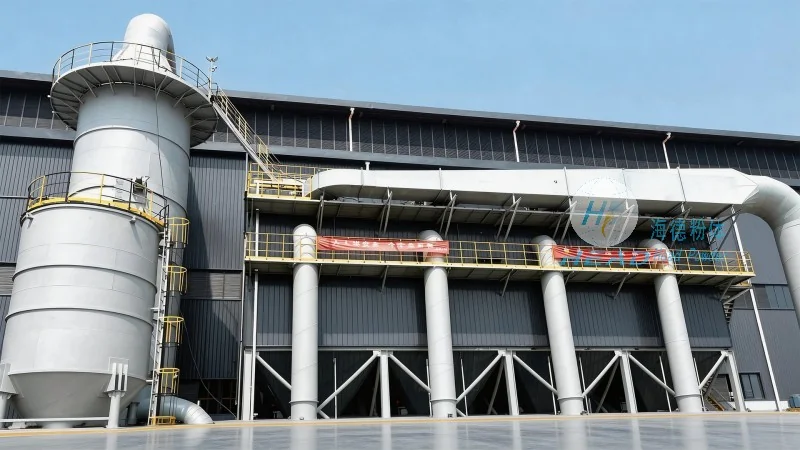
One of the key benefits of positive pressure conveying is its ability to handle high material loads and long conveying distances without significant pressure loss. The system is also less prone to blockages compared to negative pressure systems, as the continuous pressure helps keep the material moving. Additionally, positive pressure systems are generally more energy-efficient for long-distance transport, making them a cost-effective solution for large-scale corn cob processing facilities. However, they require robust equipment to withstand high pressures and may need additional filtration to manage dust and particulate emissions.
Negative Pressure Conveying for Corn Cob
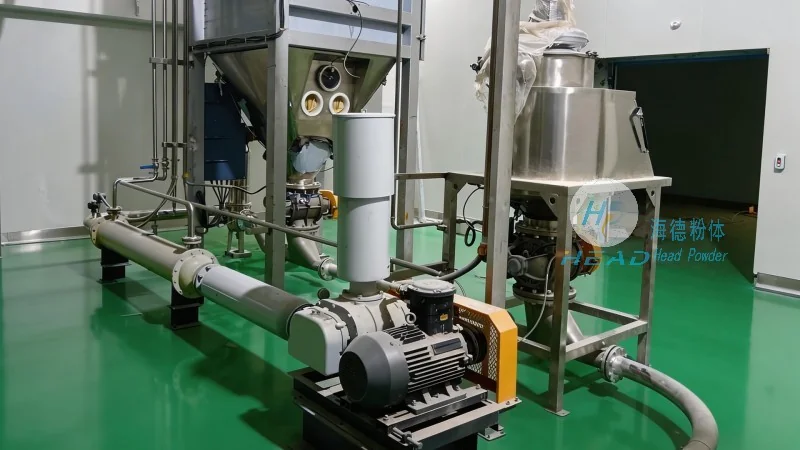
Negative pressure conveying, or vacuum pneumatic conveying, uses suction to draw corn cob into the system and transport it through the pipeline. This method is ideal for applications where material needs to be collected from multiple points or where the conveying distance is relatively short. The system operates by creating a low-pressure zone that pulls the corn cob into the pipeline, often using a vacuum pump or fan. Shandong HeadPowder Engineering Co., Ltd. offers negative pressure solutions that are well-suited for handling corn cob in environments where dust control is critical, such as in food processing or agricultural processing facilities.
Advantages of Negative Pressure Conveying
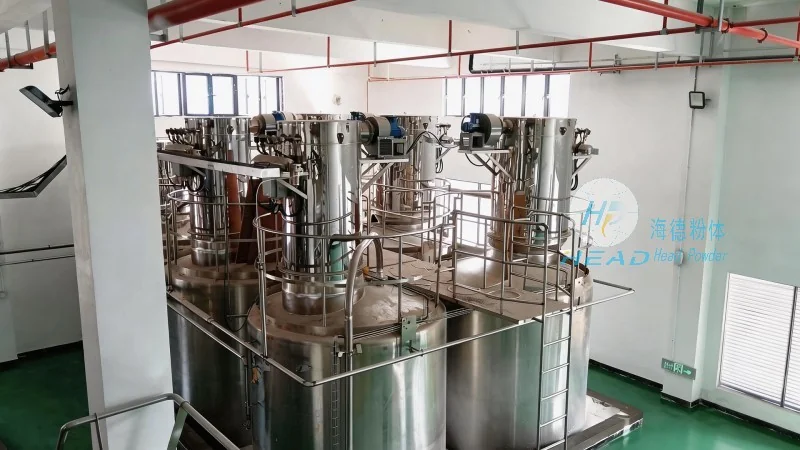
A major advantage of negative pressure conveying is its ability to handle fine or dusty materials without the risk of re-entrainment or dust explosion. The system is also more compact and easier to install in existing facilities, as it does not require high-pressure components. Additionally, negative pressure systems are generally quieter and produce less noise compared to positive pressure systems, making them suitable for applications where noise levels need to be minimized. However, they are less efficient for long-distance transport and may experience higher pressure losses over extended pipelines, potentially leading to reduced material flow rates.
Key Considerations for Choosing Between Systems
When selecting between positive and negative pressure conveying for corn cob, several factors must be considered. The primary factors include the conveying distance, the volume of material to be transported, the layout of the facility, and the environmental regulations in the area. For example, if the corn cob needs to be transported over several hundred meters or through multiple turns, a positive pressure system may be more suitable due to its efficiency and ability to maintain consistent flow. Conversely, if the material is being collected from multiple points or the conveying distance is short, a negative pressure system may offer better performance and lower installation costs.
Impact of Corn Cob Characteristics on System Design
The physical properties of corn cob, such as its size, density, and abrasiveness, significantly influence the choice of pneumatic conveying system. Corn cob is typically lightweight and has a relatively low bulk density, which can affect the air-to-material ratio required for efficient transport. Positive pressure systems are often preferred for handling lightweight materials like corn cob because they can maintain a higher material concentration in the pipeline, reducing the overall air volume needed. Shandong HeadPowder Engineering Co., Ltd. considers these characteristics when designing custom systems, ensuring that the equipment is optimized for the specific properties of corn cob to maximize efficiency and minimize wear and tear.
Energy Efficiency and Environmental Impact
Energy consumption is a critical factor in the long-term operation of pneumatic conveying systems. Positive pressure systems generally require more energy due to the high-pressure air needed to push the material, while negative pressure systems consume less energy but may require more frequent maintenance of the vacuum pump. Shandong HeadPowder Engineering Co., Ltd. emphasizes energy-efficient design in their systems, incorporating features like variable frequency drives (VFDs) to adjust air flow based on material demand and reducing overall energy usage. Additionally, both systems can be equipped with dust collection and filtration systems to minimize environmental impact and comply with local regulations, ensuring that corn cob handling operations are both efficient and sustainable.
Conclusion and Recommendations
Choosing between positive and negative pressure conveying for corn cob handling requires a careful evaluation of operational needs, material characteristics, and cost considerations. Positive pressure systems offer advantages in long-distance transport and high material loads, while negative pressure systems excel in short-distance transport and dust control. Shandong HeadPowder Engineering Co., Ltd. provides expert guidance and customized solutions to help facilities select the most appropriate pneumatic conveying system for their specific requirements. By understanding the unique benefits and limitations of each approach, businesses can optimize their corn cob processing operations, improve efficiency, and reduce operational costs.