

Principle and Working Scene Characteristics of Foam Powder Conveying Lines
Foam powder conveying lines represent a specialized technology designed to transport bulk powder materials efficiently and safely. These systems utilize foam as a medium to enhance the conveying process, offering advantages such as reduced material degradation, lower energy consumption, and improved dust control. The core principle involves generating a foam mixture that interacts with the powder, allowing for smooth and controlled movement through pipelines. This approach is particularly effective for handling delicate or abrasive powders, making it a preferred solution in various industrial applications.
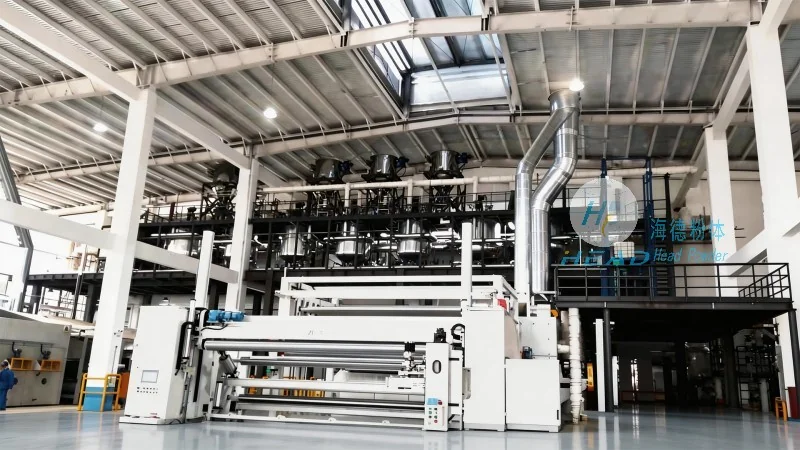
Working Principle of Foam Powder Conveying Systems
The operation of foam powder conveying lines is based on the integration of foam generation and powder handling. The system typically comprises a foam generator, a pump, and a conveying pipeline. First, a liquid foam solution is prepared, often using surfactants and air. This foam is then mixed with the powder material in a dosing unit. The resulting foam-powder mixture is pumped through the pipeline under controlled pressure and flow rates. As the mixture travels, the foam acts as a lubricant, reducing friction between the powder particles and the pipeline walls. This reduces wear and tear on equipment and minimizes the risk of material segregation or caking. The foam also helps to stabilize the powder flow, preventing blockages and ensuring consistent delivery to the destination.
Key Working Scene Characteristics
Foam powder conveying lines are characterized by several distinctive features that make them suitable for specific working environments. One primary characteristic is their ability to handle a wide range of powder types, from fine powders like pharmaceuticals and chemicals to bulk materials such as cement and minerals. The foam medium allows for gentle handling, preserving the integrity of sensitive materials and preventing contamination. Another key characteristic is the system's efficiency in terms of energy use. By using foam as a conveying medium, the overall energy consumption is reduced compared to traditional pneumatic or mechanical conveying methods. This is achieved through lower pressure requirements and reduced wear on components. Additionally, the foam-based system offers superior dust control, as the foam encapsulates the powder particles, minimizing airborne dust and improving workplace safety. The flexibility of the system is another notable feature, as it can be adapted to different pipeline configurations and material flow rates, making it versatile for various industrial setups.
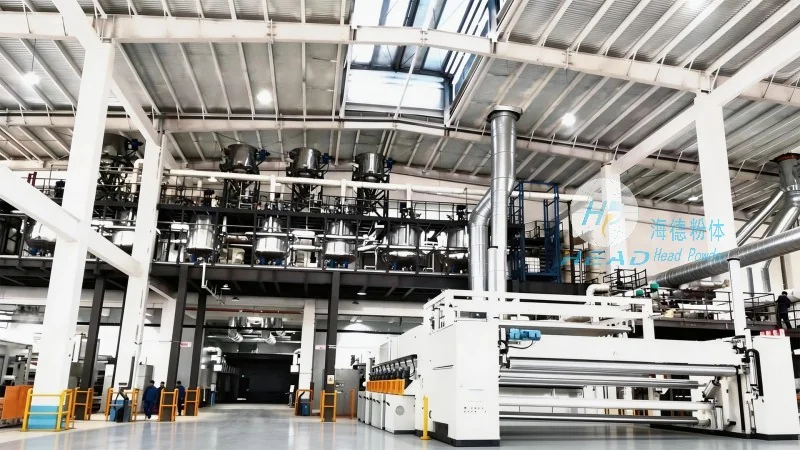
Applications and Industry Use Cases
Foam powder conveying lines are widely used across multiple industries due to their adaptability and effectiveness. In the pharmaceutical industry, these systems are employed to transport active pharmaceutical ingredients (APIs) and excipients with high precision, ensuring that the delicate powders are not damaged during transport. The gentle handling provided by the foam medium is crucial for maintaining product quality and preventing contamination. In the chemical industry, foam conveying is used for transporting reactive powders and chemicals that require controlled movement to avoid reactions or degradation. The system's ability to minimize dust and maintain temperature stability is particularly beneficial in handling hazardous materials. The construction industry also benefits from foam powder conveying lines, as they efficiently transport cement, fly ash, and other bulk materials to construction sites. The reduced energy consumption and lower maintenance costs make this technology economically viable for large-scale construction projects. Furthermore, in the food processing industry, foam conveying is used to transport food powders such as flour, sugar, and spices, ensuring that the products remain fresh and uncontaminated. The system's hygienic design and ability to prevent cross-contamination are essential for meeting food safety regulations.
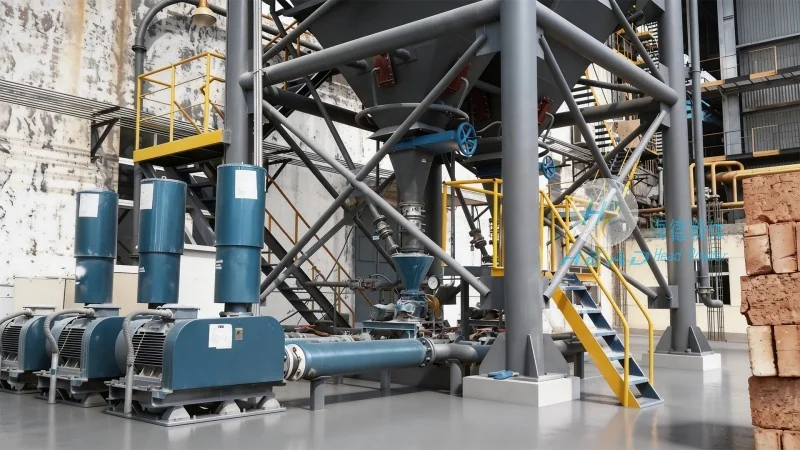
Advantages and Benefits of Foam Powder Conveying Lines
The adoption of foam powder conveying lines offers numerous advantages for industrial operations. One of the most significant benefits is the reduction in material degradation. Traditional conveying methods often cause attrition and particle size reduction, which can affect the performance of the final product. Foam conveying minimizes these effects by providing a cushioning effect, preserving the original properties of the powder. Another advantage is the improved dust control. The foam encapsulates the powder particles, reducing airborne dust and improving workplace air quality. This not only enhances safety but also reduces the need for additional dust suppression equipment. The energy efficiency of foam conveying is another key benefit. Compared to pneumatic conveying, which requires high air pressure and energy consumption, foam conveying operates at lower pressures, resulting in lower operational costs. The system also has lower maintenance requirements due to reduced wear on components, as the foam acts as a lubricant and reduces friction. Additionally, the flexibility of the system allows for easy integration into existing production lines, minimizing downtime during installation and operation. The ability to handle a wide range of powder types without modification makes it a versatile solution for various industrial needs.
Conclusion
Foam powder conveying lines represent an advanced and efficient solution for transporting bulk powder materials. By leveraging the principles of foam generation and controlled flow, these systems offer significant advantages over traditional conveying methods. The ability to handle delicate materials, reduce energy consumption, and improve dust control makes them a preferred choice in industries such as pharmaceuticals, chemicals, construction, and food processing. As industrial demands for efficient and safe material handling continue to grow, foam powder conveying lines are poised to play an increasingly important role in modern manufacturing processes. The technology's adaptability and cost-effectiveness make it a valuable investment for companies seeking to enhance their production capabilities and maintain high standards of product quality.