

Principle and Working Scene Characteristics of High-Calcium Powder Conveying Lines
High-calcium powder conveying lines are critical components in industrial processing, particularly for handling bulk materials with high calcium content. These systems are designed to efficiently transport powders such as limestone, calcium carbonate, or other high-calcium raw materials from storage to processing units. The technology behind these lines integrates advanced engineering principles to ensure reliable, safe, and efficient material movement, which is essential for maintaining production efficiency and product quality in various industrial applications.
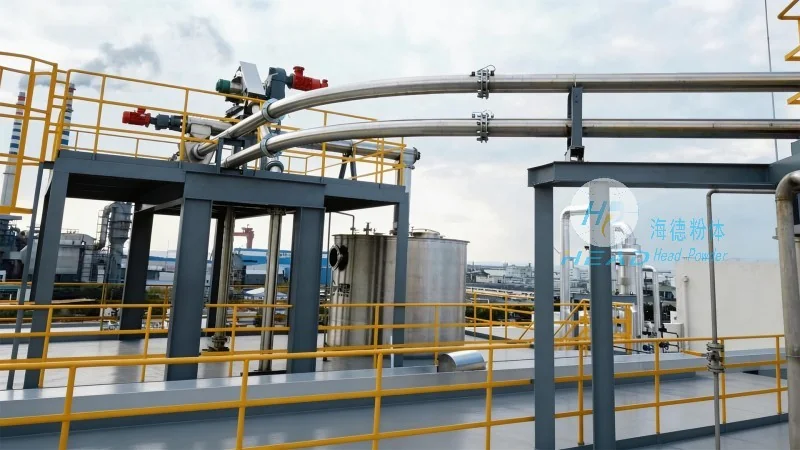
Understanding the Core Principle of High-Calcium Powder Conveying Lines
The fundamental principle of high-calcium powder conveying lines revolves around the use of mechanical or pneumatic systems to move powders through a network of pipes, hoppers, and control valves. These systems are engineered to handle the unique properties of high-calcium powders, which often include high bulk density, abrasive characteristics, and potential for caking or agglomeration. The design typically incorporates features such as sealed conveying to prevent dust emissions, variable speed drives for flow control, and robust material handling components to minimize wear and tear. The core objective is to achieve consistent material flow rates while maintaining the integrity of the powder, ensuring that it reaches the processing stage in optimal condition.
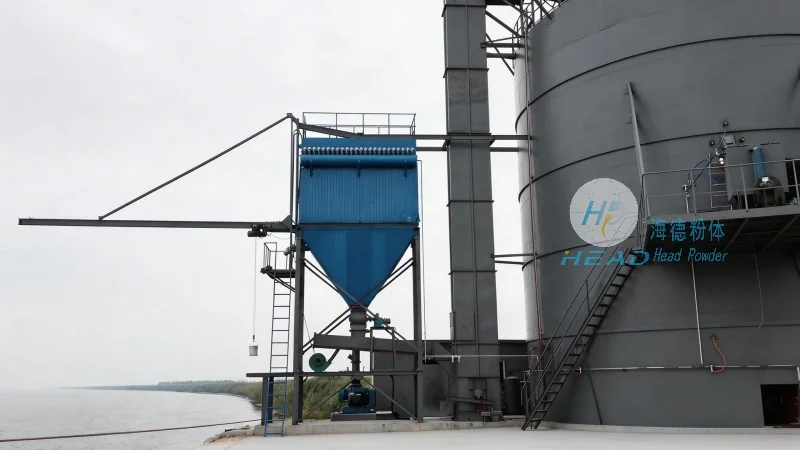
Key Working Scene Characteristics of High-Calcium Powder Conveying Lines
High-calcium powder conveying lines are deployed in diverse industrial settings, each with specific operational characteristics that define their performance and suitability. One common application is in the cement and construction materials industry, where limestone and calcium carbonate are primary raw materials. In such scenarios, the conveying lines must handle large volumes of material, often over long distances, while maintaining low dust levels to comply with environmental regulations. Another typical working scene is in the food and pharmaceutical sectors, where high-calcium powders like calcium carbonate are used as additives. Here, the conveying systems must adhere to strict hygiene standards, with components made from food-grade materials and sealed designs to prevent contamination. Additionally, in chemical processing plants, these lines may transport high-calcium powders as part of a larger material handling network, requiring integration with other processing equipment and automation systems for seamless operation.
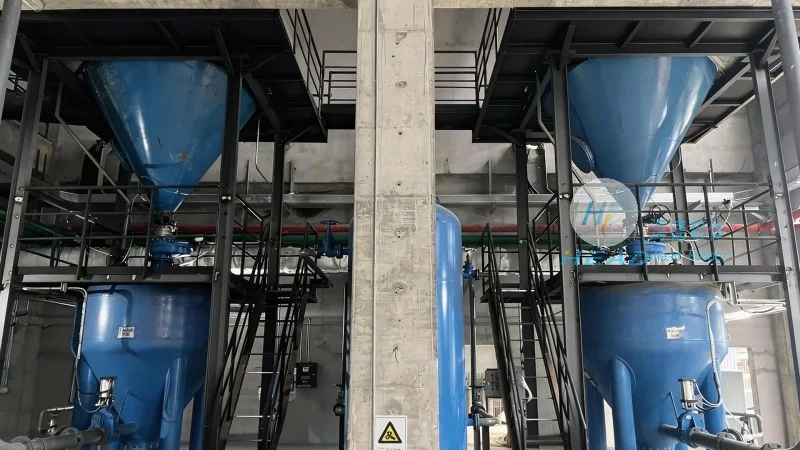
Technical Advancements and Operational Efficiency in High-Calcium Powder Conveying Lines
Modern high-calcium powder conveying lines incorporate several technical advancements to enhance operational efficiency and reliability. For instance, the use of positive displacement blowers or rotary lobe pumps provides consistent air pressure and flow, ensuring stable material transport even with varying powder characteristics. Variable frequency drives (VFDs) allow for precise control of conveyor speed, enabling adjustments to accommodate changes in material density or flow rate without compromising system performance. Additionally, advanced monitoring systems, such as pressure sensors and flow meters, provide real-time data on system performance, allowing for proactive maintenance and troubleshooting. These features collectively contribute to reduced downtime, lower maintenance costs, and improved overall productivity in industrial settings.
Customization and Integration Capabilities for High-Calcium Powder Conveying Lines
High-calcium powder conveying lines are often customized to meet the specific requirements of individual industrial applications. This customization may involve adjustments to the conveyor system's capacity, the type of material handling components (e.g., screw conveyors, pneumatic pipelines), or the integration with existing processing equipment. For example, in a cement plant, the conveying line might be designed to handle large volumes of limestone over a distance of several kilometers, requiring a combination of screw conveyors and pneumatic transport. In contrast, a food processing facility may use a smaller, more compact system with stainless steel components to ensure compliance with hygiene regulations. The ability to customize these systems ensures that they can be seamlessly integrated into existing production lines, minimizing disruption and maximizing operational efficiency.
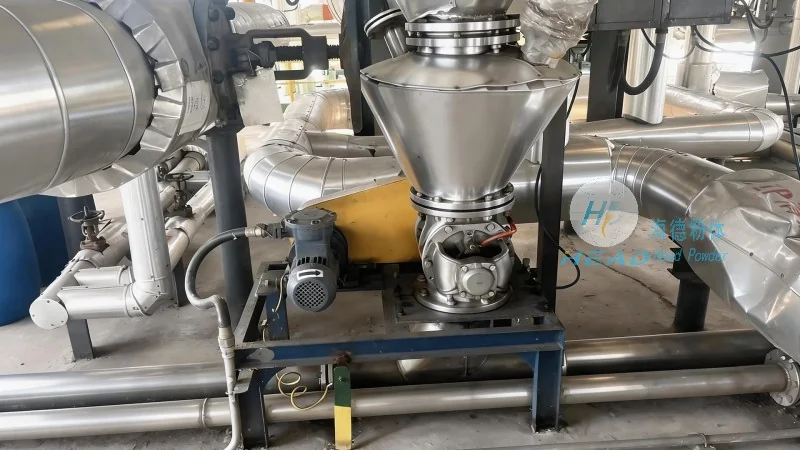
Maintenance and Longevity of High-Calcium Powder Conveying Lines
Proper maintenance is crucial for the long-term performance and longevity of high-calcium powder conveying lines. Regular inspection and cleaning of components, such as hoppers, pipelines, and valves, are essential to prevent clogging and ensure consistent material flow. The use of wear-resistant materials, such as stainless steel or special alloys, helps to extend the lifespan of critical components, reducing the frequency of replacements. Additionally, routine checks of the conveying system's pressure and flow rates help to identify potential issues before they lead to system failures. By implementing a proactive maintenance schedule, industrial facilities can ensure that their high-calcium powder conveying lines operate efficiently and reliably over extended periods, minimizing downtime and maintenance costs.