

Principle and Working Scene Characteristics of Fertilizer Powder Conveying Lines
Efficient and reliable fertilizer powder conveying lines are crucial for modern agricultural operations, ensuring the seamless transport of bulk fertilizer materials from storage to application points. These systems play a vital role in optimizing production processes, reducing labor costs, and enhancing overall operational efficiency in fertilizer manufacturing and distribution sectors. The design and functionality of such conveying lines are tailored to handle the unique properties of various fertilizer powders, including their particle size, moisture content, and flow characteristics. Understanding the underlying principles and the specific characteristics of different working environments is essential for selecting the most appropriate conveying solution for any given application.
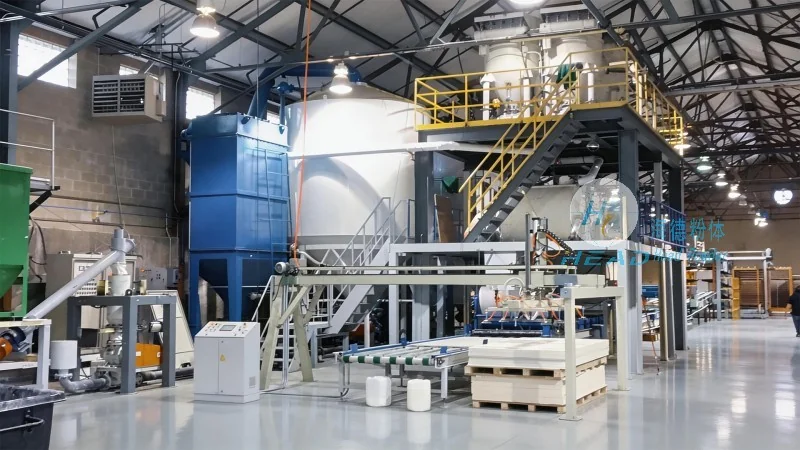
Core Principles of Fertilizer Powder Conveying Systems
The fundamental principle behind fertilizer powder conveying lines is the ability to transport dry bulk materials through a system of pipes or ducts using mechanical or pneumatic forces. Common methods include pneumatic conveying, where air is used to move the powder, and mechanical conveying, such as screw conveyors or belt conveyors. Pneumatic conveying systems are particularly effective for handling fine powders and can operate over long distances with minimal maintenance. The choice of conveying method depends on factors like the material's properties, the required transport distance, and the desired level of automation. For instance, high-pressure pneumatic systems are suitable for long-distance transport of fine fertilizers, while low-pressure systems are ideal for shorter distances or bulkier materials. Mechanical conveyors, on the other hand, are often used for horizontal or inclined transport of larger particles and can handle higher capacities with lower energy consumption compared to pneumatic systems.
Working Scene Characteristics and Application Scenarios
Fertilizer powder conveying lines are deployed in diverse working environments, each with its own set of challenges and requirements. The characteristics of these scenes influence the design and selection of the conveying equipment. In industrial fertilizer plants, the conveying lines are typically integrated into large-scale production lines, requiring high throughput and reliability. These systems often handle large volumes of raw materials and finished products, necessitating robust and durable components that can withstand continuous operation. The working environment in such plants may involve high temperatures, dust, and moisture, which demands materials and designs that are resistant to corrosion and wear. In contrast, on-farm or agricultural application sites may involve shorter, more localized conveying lines, such as those used for distributing fertilizer to fields. These systems need to be portable, easy to install, and capable of handling varying terrain and weather conditions. The characteristics of the working scene also include the type of fertilizer being transported, as different fertilizers have distinct properties. For example, nitrogen-based fertilizers may require special handling to prevent caking or clumping, while phosphorus or potassium-based fertilizers may need different conveying methods to maintain their quality.
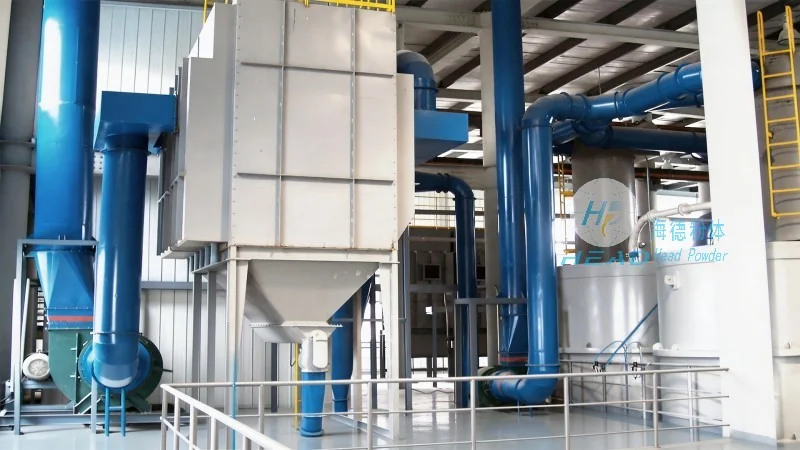
Key Features and Advantages of Advanced Fertilizer Powder Conveying Lines
Modern fertilizer powder conveying lines incorporate several advanced features that enhance their performance and efficiency. One of the key advantages is the ability to handle a wide range of powder types, from fine, free-flowing powders to coarse, cohesive materials. This versatility is achieved through adjustable conveying parameters, such as air pressure and flow rate, which can be optimized for different material characteristics. Another important feature is the integration of monitoring and control systems, allowing operators to track the flow rate, pressure, and temperature in real-time. This enables proactive maintenance and ensures that any issues are detected and resolved promptly, minimizing downtime. Additionally, advanced conveying lines often include components like rotary valves, which provide a reliable seal and prevent material leakage, and dust collection systems, which help maintain a clean and safe working environment. These features not only improve the efficiency of the conveying process but also contribute to environmental compliance and worker safety.
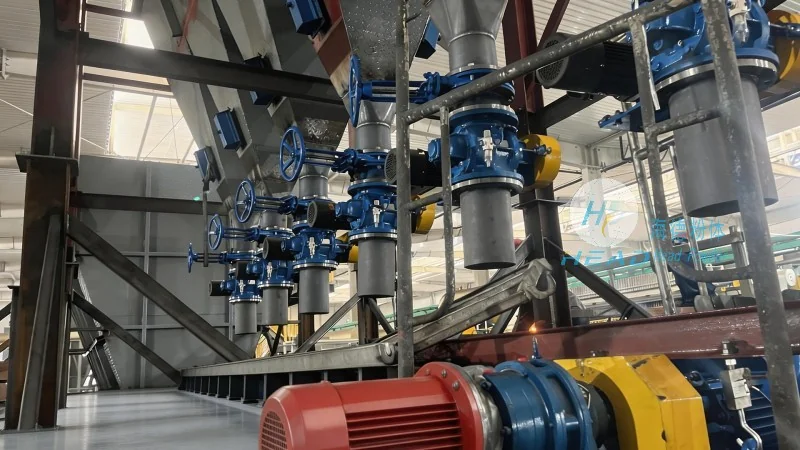
Customization and Integration with Production Processes
Effective fertilizer powder conveying lines are often customized to fit specific production processes and operational needs. This customization involves considering factors such as the capacity requirements, the layout of the facility, and the compatibility with existing equipment. For example, in a fertilizer manufacturing plant, the conveying line may need to connect storage silos to mixing and packaging units, requiring a system that can handle both raw materials and finished products. The integration of the conveying line with other production equipment, such as mixers or granulators, is crucial for maintaining the quality and consistency of the fertilizer. Customization also extends to the choice of materials for the conveying components, such as stainless steel or special alloys, which can resist corrosion from acidic or alkaline fertilizers. The working scene characteristics, including the space available and the environmental conditions, also influence the design of the conveying system. For instance, in a facility with limited vertical space, a vertical conveying system may be preferred over a horizontal one. Customization ensures that the conveying line not only meets the functional requirements but also aligns with the overall operational goals of the company.
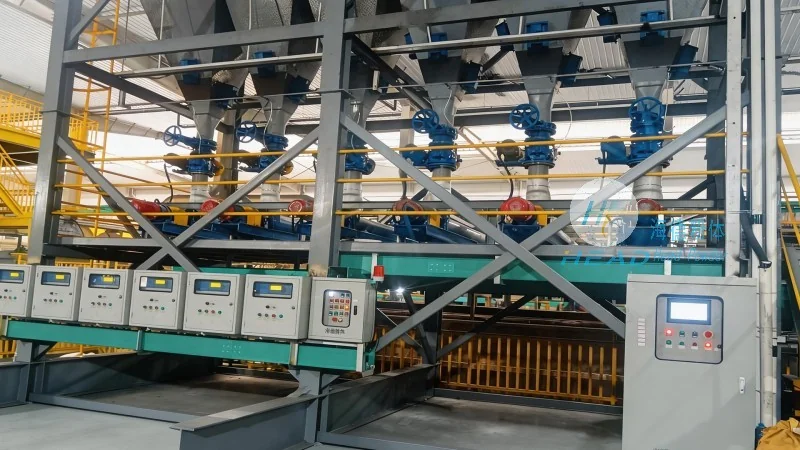
Maintenance and Operational Considerations
Proper maintenance and operational considerations are essential for ensuring the long-term performance and reliability of fertilizer powder conveying lines. Regular maintenance, including cleaning of the pipes, checking for wear and tear on components, and lubricating moving parts, is crucial to prevent system failures and reduce downtime. The working scene characteristics, such as the presence of dust or moisture, can affect the frequency and type of maintenance required. For example, in dusty environments, regular cleaning of the conveying system is necessary to prevent clogging and maintain airflow. Additionally, operators should monitor the system's performance parameters, such as pressure and flow rate, to detect any deviations that may indicate a problem. Proper training of personnel on the operation and maintenance of the conveying line is also important to ensure that the system is used correctly and efficiently. By following these maintenance and operational guidelines, companies can maximize the lifespan of their conveying equipment and maintain high levels of productivity.
Conclusion: The Importance of Understanding Principle and Working Scene Characteristics
In conclusion, the principle and working scene characteristics of fertilizer powder conveying lines are critical factors in designing and implementing an effective conveying system. By understanding the unique properties of the fertilizer materials and the specific requirements of the working environment, companies can select the most appropriate conveying method and equipment. Advanced features, such as adjustable parameters and monitoring systems, enhance the performance and efficiency of the conveying lines. Customization and integration with production processes ensure that the system meets the operational needs of the facility. Proper maintenance and operational considerations are essential for maintaining the reliability and longevity of the conveying equipment. For businesses in the fertilizer industry, investing in a well-designed and properly maintained fertilizer powder conveying line is a strategic decision that can lead to improved productivity, reduced costs, and enhanced operational efficiency. As the demand for efficient fertilizer handling continues to grow, the importance of understanding the principles and characteristics of conveying systems will only increase, making it a key area of focus for companies looking to stay competitive in the market.