

Principles and Working Scene Characteristics of Inorganic Salt Powder Conveying Lines
HeadPowder, a leading provider in the field of powder handling technology, specializes in the design, manufacturing, and integration of advanced conveying systems for inorganic salts. The inorganic salt powder conveying line is a critical component in industrial processes where efficient and reliable transport of bulk materials is essential. This article explores the fundamental principles behind these systems and highlights the key working scene characteristics that define their application in various industrial settings.
Understanding the Core Principles of Inorganic Salt Powder Conveying Lines
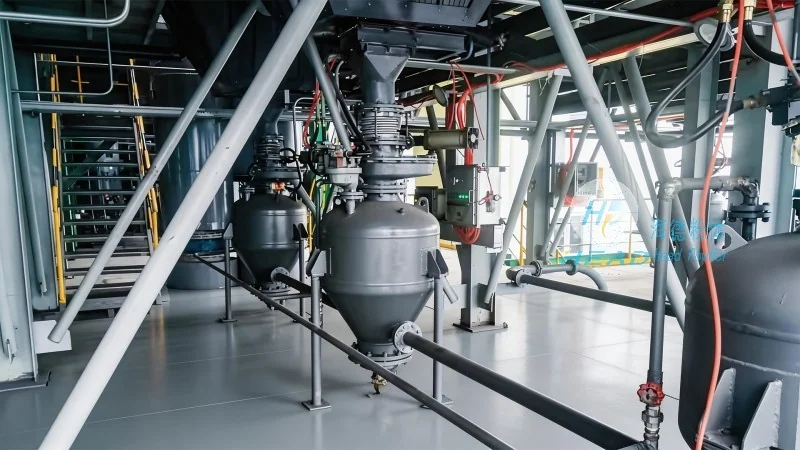
The operation of an inorganic salt powder conveying line is built upon several key principles that ensure optimal performance and material handling efficiency. The primary goal is to transport bulk inorganic salts, such as sodium chloride, potassium chloride, or other mineral salts, from storage or processing areas to the point of use with minimal loss, contamination, and energy consumption. The system typically comprises a series of components, including feeders, conveyors, control systems, and dust collection equipment, all working in harmony to achieve seamless material flow.
One of the fundamental principles is the use of appropriate feeding mechanisms to ensure consistent and controlled material discharge from storage silos or hoppers. This is crucial to prevent material bridging, caking, or uneven flow, which can lead to system inefficiencies or blockages. The selection of the right feeder, such as a rotary valve, vibratory feeder, or screw feeder, depends on the specific properties of the inorganic salt, including its particle size, moisture content, and flowability. For example, cohesive or fine powders may require a vibratory feeder to break up agglomerates and ensure uniform feeding, while free-flowing materials can be handled by a simple screw feeder.
Conveying methods are another critical aspect of the system's design. Common types include pneumatic conveying (air-assisted) and mechanical conveying (e.g., belt conveyors, screw conveyors, and bucket elevators). Pneumatic systems are particularly effective for transporting fine powders over moderate distances, as they can handle high volumes with minimal maintenance. However, they require careful control of air pressure and flow rates to prevent material degradation or system wear. Mechanical conveyors, on the other hand, are suitable for bulkier materials or longer distances and offer higher material handling capacities. The choice between these methods depends on factors like material characteristics, distance, and cost considerations.
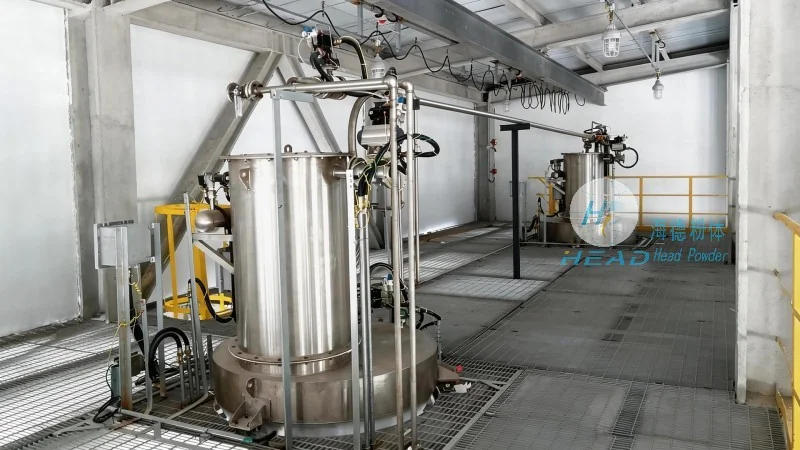
Control systems play a vital role in maintaining the stability and efficiency of the conveying line. Modern systems utilize sensors and automation to monitor parameters such as flow rate, pressure, and temperature, adjusting the operation of feeders and conveyors in real-time. This ensures that the system operates within optimal parameters, reducing energy waste and preventing equipment damage. For instance, a pressure sensor can detect blockages in the pneumatic line and trigger an alarm or automatic shutdown to prevent further issues. Similarly, a level sensor in the hopper can signal when the material is low, prompting the feeder to increase the discharge rate to maintain a consistent flow.
Key Working Scene Characteristics of Inorganic Salt Powder Conveying Lines
The working scene characteristics of inorganic salt powder conveying lines vary significantly based on the industrial application and the specific requirements of the process. These characteristics define how the system is configured and operated to meet the needs of different industries, including chemical, food, pharmaceutical, and mining sectors.
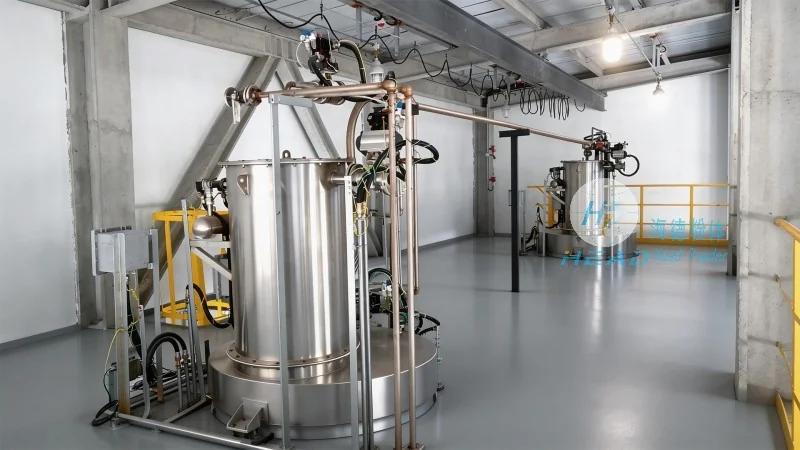
In the chemical industry, for example, conveying lines are often used to transport raw materials like sodium hydroxide or calcium carbonate to reactors or processing units. The working scene may involve high temperatures and corrosive environments, requiring the use of materials like stainless steel or special alloys for the conveyor components to ensure durability and resistance to chemical attack. The system may also need to integrate with other processing equipment, such as mixers or reactors, requiring precise control of material flow rates to maintain reaction conditions.
In the food industry, the conveying of inorganic salts, such as table salt or baking soda, demands strict adherence to hygiene and safety standards. The working scene typically involves cleanroom environments and the use of food-grade materials for all components, including the conveyor belts and feeders. The system may also incorporate dust collection and filtration systems to prevent contamination and ensure product quality. Additionally, the flow rate and uniformity of the material are critical to maintaining consistent product quality, as variations can affect the final product's taste or texture.
In the pharmaceutical industry, the handling of inorganic salts, such as potassium chloride or calcium carbonate, requires even higher levels of precision and control. The working scene is characterized by stringent regulatory requirements, including GMP (Good Manufacturing Practice) compliance, which mandates that all equipment is cleanable, sterilizable, and free from contaminants. The conveying line may include features like closed systems to prevent cross-contamination and positive displacement feeders to ensure accurate dosing. The control systems are often more sophisticated, with real-time monitoring and data logging to meet regulatory documentation requirements.