HeadPowder, a leading provider of industrial conveying solutions, specializes in the design and implementation of dry sludge powder conveying lines. This article explores the fundamental principles behind these systems and highlights the key characteristics of their operational environments.
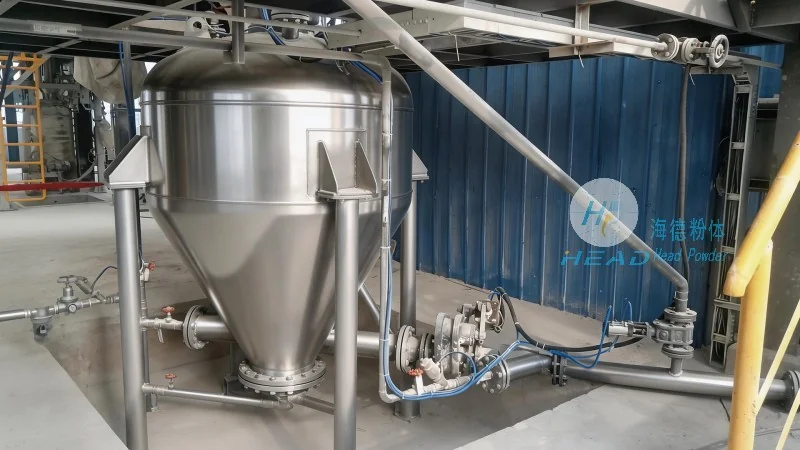
Understanding the Core Principles of Dry Sludge Powder Conveying Lines
Dry sludge powder conveying lines are engineered to transport dried sludge in a powder form, typically from treatment facilities to disposal or processing sites. The primary principle revolves around the use of pneumatic or mechanical systems to move the material efficiently and safely. Pneumatic conveying, for instance, utilizes compressed air to create a flow that propels the dry sludge particles through pipelines. This method is particularly effective for handling fine powders and minimizing material degradation. Mechanical systems, such as screw conveyors or belt conveyors, may also be employed, especially when dealing with bulkier or more abrasive materials. The choice of system depends on factors like the sludge's moisture content, particle size, and the required conveying distance.
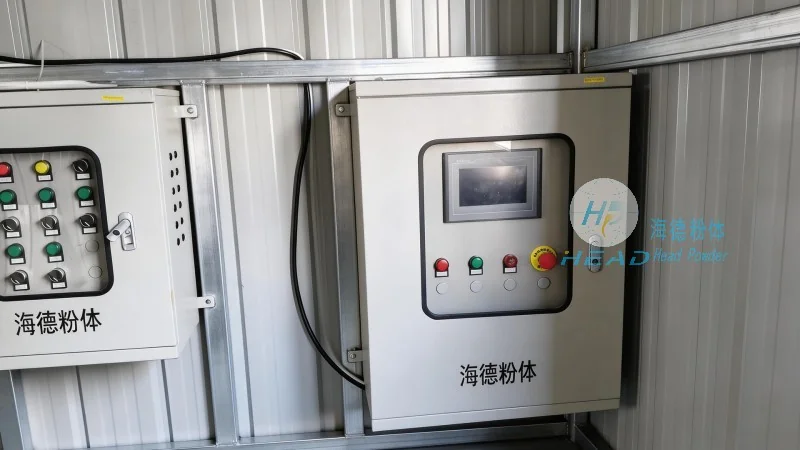
Key Working Scene Characteristics of Dry Sludge Powder Conveying Lines
The operational environments for dry sludge powder conveying lines are often characterized by specific conditions that impact system performance and maintenance. One critical characteristic is the need for dust control and air filtration. Since dry sludge is a fine powder, it can easily become airborne, posing health and safety risks. Therefore, conveying systems are equipped with dust collection and filtration systems to ensure compliance with environmental regulations and maintain a safe working atmosphere. Another key characteristic is the requirement for material handling efficiency. These lines are designed to minimize downtime and maximize throughput, which is essential in industrial settings where continuous operation is crucial. The systems are also built to handle varying loads and material properties, ensuring adaptability in different working scenarios.
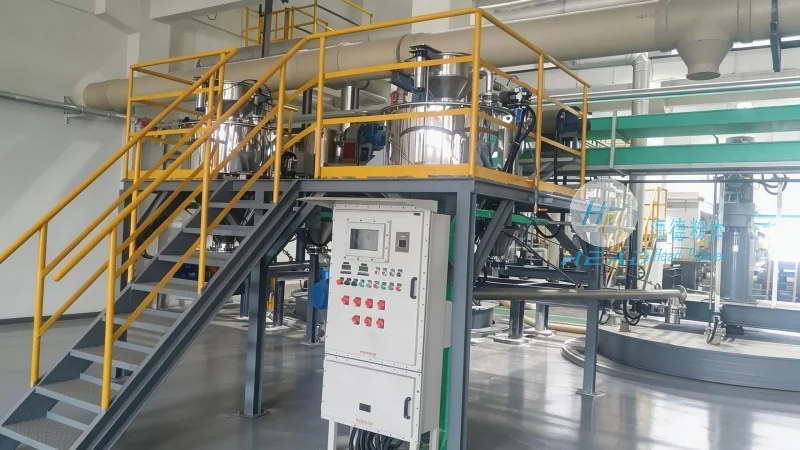
Applications and Industry Relevance
Dry sludge powder conveying lines find extensive applications in the wastewater treatment and solid waste management industries. They are commonly used in municipal and industrial wastewater treatment plants to transport dried sludge from dewatering processes to landfills or incineration facilities. The efficiency of these conveying lines directly impacts the overall operational costs and environmental sustainability of the treatment process. By ensuring reliable and low-maintenance material transport, these systems contribute to the effective management of sludge, reducing the environmental footprint of waste treatment operations.
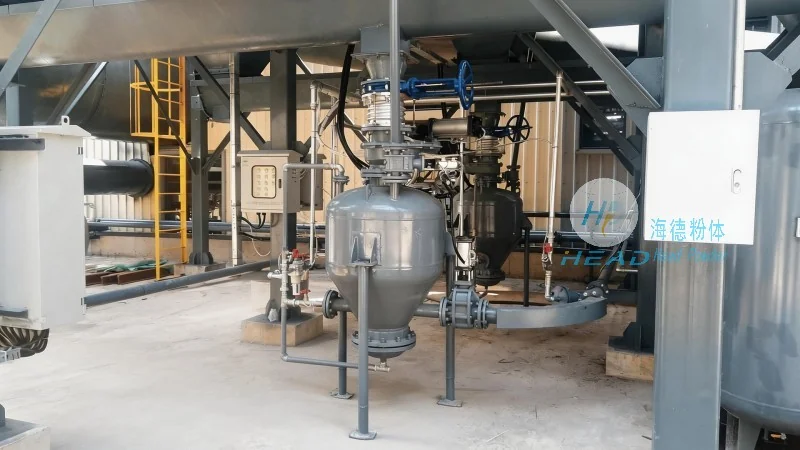
Technical Advancements and Customization Options
HeadPowder Engineering Co., Ltd., based in Shandong, China, offers customized dry sludge powder conveying solutions tailored to the unique needs of each client. The company leverages advanced engineering techniques and materials to design systems that meet specific operational requirements. For example, they may incorporate variable speed drives to adjust conveying rates based on the sludge's properties, or use corrosion-resistant materials to handle acidic or alkaline sludge. Additionally, the company provides comprehensive support, including installation, maintenance, and troubleshooting services, to ensure the long-term reliability of the conveying lines. This commitment to customization and after-sales support sets HeadPowder apart as a trusted partner in the industry.




