HeadPowder, a leading engineering company based in Shandong, China, specializes in the design and implementation of advanced refractory powder conveying systems. These systems are engineered to efficiently transport refractory materials, which are crucial components in high-temperature industrial processes such as steelmaking, cement production, and ceramics manufacturing.
Understanding the Core Principles of Refractory Powder Conveying Lines
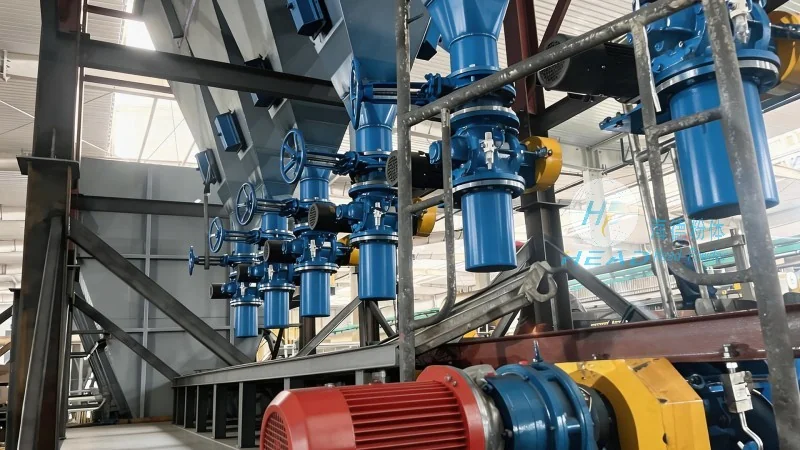
The operation of a refractory powder conveying line is built on a combination of mechanical and pneumatic principles, tailored to handle the unique properties of refractory powders. These materials often exhibit high temperatures, abrasive characteristics, and varying particle sizes, requiring specialized equipment to ensure safe and efficient transport. The primary goal is to move these powders from storage silos or production points to processing equipment without degradation or loss.
Key components of a typical conveying system include feeders, conveying pipes, control valves, and dust collection units. Feeders, such as rotary valves or screw conveyors, regulate the flow of powder into the system, ensuring consistent and controlled discharge. Conveying pipes, often made of corrosion-resistant materials like stainless steel or special alloys, transport the powder under pressure or vacuum. Control valves, including butterfly or gate valves, manage the direction and flow rate of the material. Dust collection systems, such as cyclones or bag filters, capture and recycle any airborne particles, maintaining a clean and safe working environment.
Working Scene Characteristics: Applications and Operational Advantages
Refractory powder conveying lines are deployed in diverse industrial settings, each with distinct operational requirements. In steel mills, for example, these systems are critical for delivering raw refractory materials to furnaces and kilns, where they are used to line the interior surfaces of high-temperature equipment. The ability to handle large volumes of abrasive powders at high temperatures is essential, as any inefficiency can lead to equipment damage or production delays.
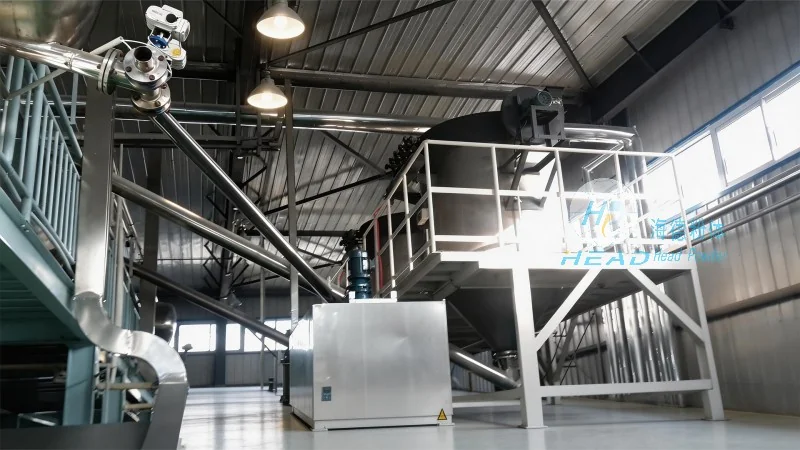
In the cement industry, conveying lines transport refractory materials to rotary kilns and preheaters, where they contribute to the production of clinker. The systems must be capable of withstanding the harsh conditions of cement manufacturing, including high temperatures and the presence of moisture. This requires robust construction and reliable control mechanisms to prevent material buildup or blockages.
In the ceramics sector, refractory powders are used in the production of tiles, bricks, and other ceramic products. The conveying lines in this industry focus on precision and cleanliness, as the final products require high purity and uniform particle size. The systems are often designed with closed-loop configurations to minimize dust exposure and maintain product quality.
Technical Innovations Enhancing Conveying Efficiency and Safety
Modern refractory powder conveying lines incorporate several innovations to improve performance and safety. One key advancement is the use of flexible hoses and expandable pipes, which allow for easier installation and maintenance in confined spaces. These components can be adjusted to accommodate changes in the layout of the production facility, reducing downtime and installation costs.
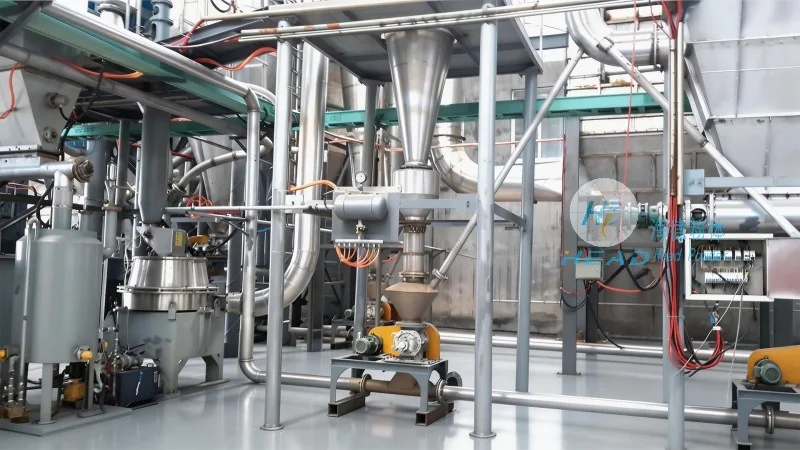
Another significant innovation is the integration of advanced control systems, including programmable logic controllers (PLCs) and sensors. These systems monitor parameters such as pressure, flow rate, and temperature in real-time, allowing for immediate adjustments to optimize performance. For example, if a blockage is detected, the system can automatically reduce the flow rate or activate a cleaning cycle, preventing equipment damage and ensuring continuous operation.
Additionally, many contemporary conveying lines feature energy-efficient designs, such as variable frequency drives (VFDs) for motors. These drives adjust the motor speed based on the load, reducing energy consumption and operating costs. The use of energy-efficient components aligns with the growing emphasis on sustainability in industrial operations.
Conclusion: The Role of Refractory Powder Conveying Lines in Industrial Efficiency
Refractory powder conveying lines are indispensable tools in modern industrial operations, enabling the efficient and safe transport of critical materials. By combining mechanical and pneumatic principles with advanced control and monitoring systems, these lines ensure that refractory powders are delivered to their intended destinations with minimal loss, degradation, or environmental impact. As industrial processes continue to evolve, the importance of reliable and efficient conveying systems will only grow, making them a cornerstone of high-temperature manufacturing.




