

Fracturing Sand Positive Pressure vs. Negative Pressure Pneumatic Conveying: A Comparative Analysis
When it comes to transporting frac sand for hydraulic fracturing operations, the choice between positive pressure and negative pressure pneumatic conveying systems is a critical decision for operators. Both methods are widely used in the oil and gas industry, but they differ significantly in their operational principles, efficiency, and suitability for various applications. This analysis aims to provide a detailed comparison of the two approaches, highlighting their advantages, disadvantages, and practical considerations.
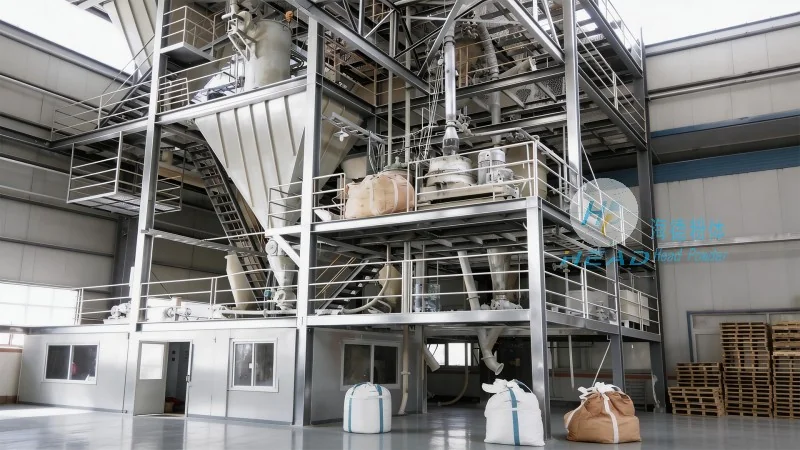
Positive Pressure Pneumatic Conveying Systems
Positive pressure systems operate by blowing air or a carrier gas into the conveying line, creating a pressure higher than the ambient air pressure. This pressurized air propels the material forward through the pipeline. The primary components of a positive pressure system include a blower, a hopper for material storage, a feeder to control the flow rate, and the conveying line itself. The pressure in the system is maintained by the blower, which can be a rotary lobe, centrifugal, or positive displacement type. Positive pressure systems are generally more suitable for long-distance and high-capacity transport, as they can maintain consistent pressure and flow rates over extended distances.
One of the key advantages of positive pressure systems is their ability to handle abrasive materials like frac sand without significant wear on the equipment. The pressurized air helps to keep the material in suspension, reducing friction and wear on the pipeline and components. Additionally, positive pressure systems can be designed to operate at higher velocities, which can increase the conveying capacity. However, they require more robust equipment and higher energy consumption compared to negative pressure systems. The higher pressure also means that the system must be well-sealed to prevent air leaks, which can affect efficiency and safety.
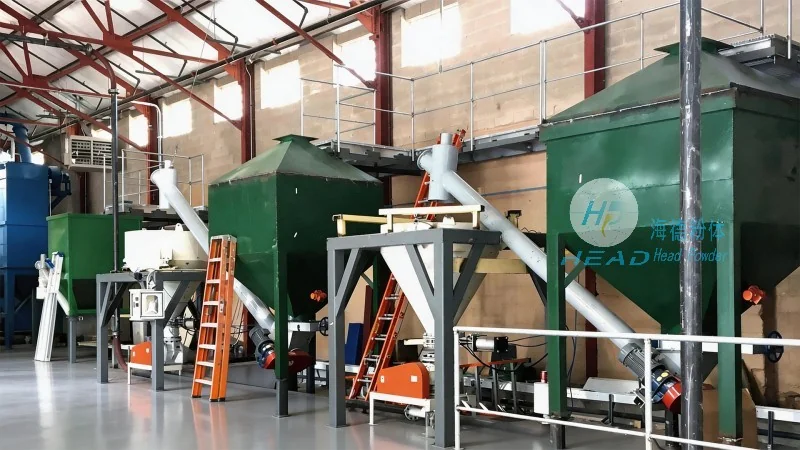
Negative Pressure Pneumatic Conveying Systems
Negative pressure systems, also known as vacuum or suction systems, operate by creating a vacuum in the conveying line, which draws the material and air into the system. The vacuum is generated by a fan or vacuum pump located at the discharge end of the line. The material is drawn from the source, typically a hopper or storage bin, and is carried to the destination by the suction force. Negative pressure systems are often preferred for shorter distances and when the material needs to be transported from a lower elevation to a higher one, as the vacuum can help pull the material upward.
A major advantage of negative pressure systems is their lower energy consumption and simpler design compared to positive pressure systems. The equipment is generally less expensive and requires less maintenance. The suction mechanism is also less likely to cause material degradation or degradation of the conveying line due to lower velocities. However, negative pressure systems have limitations in terms of distance and capacity. The suction force diminishes with distance, making it difficult to transport materials over long distances. Additionally, they are more susceptible to clogging and material buildup in the line, especially with abrasive materials like frac sand.
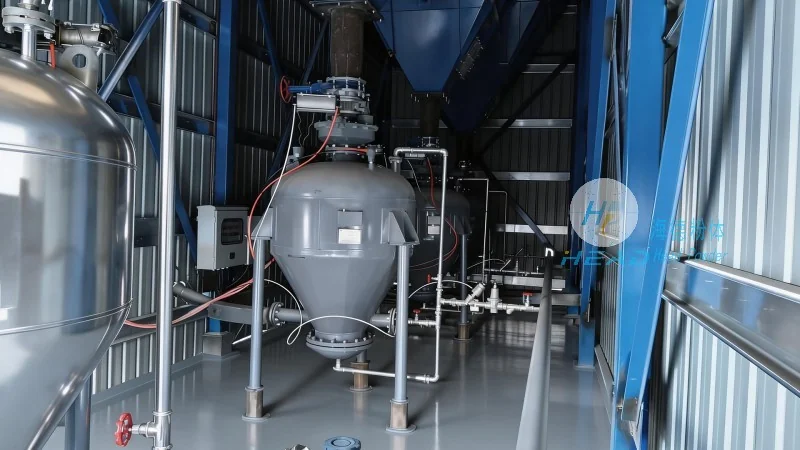
Comparative Analysis: Positive Pressure vs. Negative Pressure
When comparing the two systems, several factors need to be considered, including distance, capacity, material characteristics, and operational environment. Positive pressure systems are generally more efficient for long-distance and high-volume transport, making them ideal for large-scale hydraulic fracturing operations where sand needs to be moved from storage facilities to the well site over several miles. The consistent pressure and flow rates ensure reliable delivery of the material, which is crucial for maintaining the fracturing schedule. On the other hand, negative pressure systems are better suited for shorter distances, such as within a well pad or between storage and processing facilities. They are also more cost-effective for smaller operations or when the distance is limited.
Material characteristics play a significant role in the choice of system. Abrasive materials like frac sand can cause significant wear on equipment in both systems, but positive pressure systems are better equipped to handle this due to the higher velocities and pressurized air. Negative pressure systems, with their lower velocities, may experience more wear and tear over time, especially with high-abrasion materials. Additionally, the presence of moisture or other contaminants can affect the performance of both systems, but negative pressure systems are more prone to clogging due to the lower air flow rates.
Operational environment and safety considerations also influence the choice. Positive pressure systems require strict safety measures to prevent air leaks and ensure that the pressurized air does not pose a risk to personnel. The higher pressure can also lead to more noise and vibration, which may need to be mitigated in certain environments. Negative pressure systems, while generally safer in terms of pressure, can create a vacuum that may draw in external air or contaminants, which can affect the quality of the material being transported. The choice between the two systems ultimately depends on the specific requirements of the operation, including the distance, capacity, and material properties.
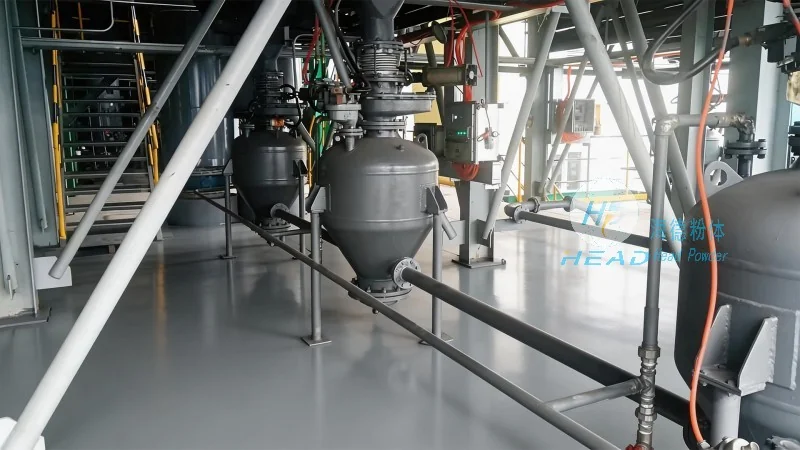
About HeadPowder: Your Expert in Pneumatic Conveying Solutions
Shandong HeadPowder Engineering Co., Ltd. is a leading provider of advanced pneumatic conveying systems tailored for the oil and gas industry. With years of experience in designing and manufacturing equipment for frac sand transport, HeadPowder specializes in both positive and negative pressure systems, offering customized solutions that meet the unique needs of each project. The company's headquarters is located in Shandong, China, where it has established a strong presence in the industry, serving clients globally with reliable and efficient equipment.
HeadPowder's commitment to quality and innovation is reflected in its product line, which includes high-performance blowers, feeders, and conveying lines designed to handle the demanding conditions of frac sand transport. The company's team of engineers and technicians work closely with clients to understand their operational requirements and provide tailored solutions that optimize efficiency and reduce costs. Whether you need a positive pressure system for long-distance transport or a negative pressure system for shorter distances, HeadPowder offers the expertise and equipment to ensure successful and reliable operation.