

Principle and Working Scene Characteristics of Carbide Slag Pneumatic Conveying
Carbide slag, a byproduct of the calcium carbide production process, poses significant challenges in handling and disposal due to its high moisture content, abrasive nature, and potential for dust generation. Pneumatic conveying technology offers an efficient solution for transporting this material, leveraging air as the primary medium to move the slag from one location to another. This article explores the fundamental principles of carbide slag pneumatic conveying and highlights the key characteristics of its working scenarios, with a focus on the expertise of Shandong HeadPowder Engineering Co., Ltd., a leading provider in the field.
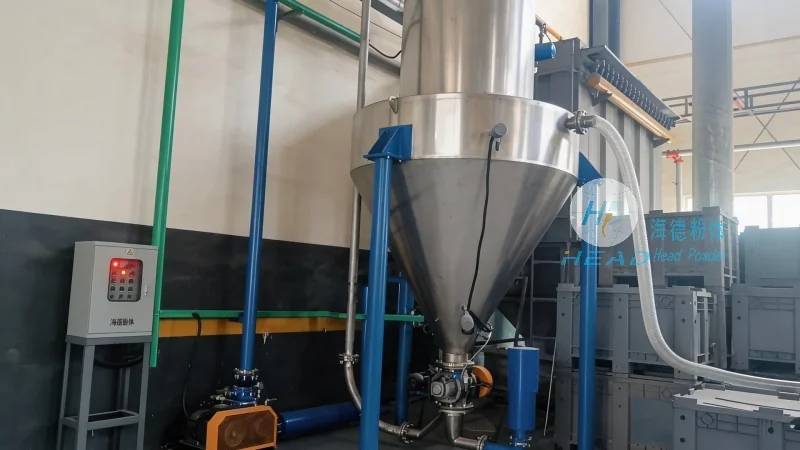
Principle of Carbide Slag Pneumatic Conveying
The core principle of pneumatic conveying for carbide slag involves the use of compressed air to create a flow that transports the solid particles through a pipeline. This method can be categorized into two main types: dilute phase and dense phase. Dilute phase conveying relies on high-velocity air to suspend the particles, typically at velocities above 20 m/s, ensuring efficient transport over long distances. Dense phase conveying, on the other hand, uses lower air velocities (around 5-10 m/s) and higher pressure to move the material in a plug-like flow, which is particularly effective for handling abrasive or sticky materials like carbide slag. The selection of the appropriate conveying type depends on factors such as the distance to be covered, the material's properties, and the required flow rate.
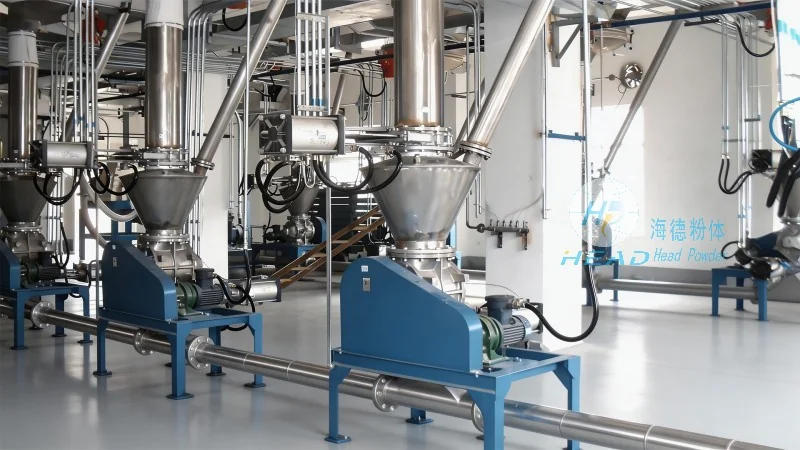
Working Scene Characteristics of Carbide Slag Pneumatic Conveying
The working scenarios for carbide slag pneumatic conveying are diverse and tailored to specific industrial applications. One common scenario is in the steel and chemical industries, where carbide slag is generated as a byproduct and needs to be transported to disposal sites or recycling facilities. In such settings, the conveying system must be designed to handle high volumes of material while minimizing dust emissions and equipment wear. Another scenario involves the use of pneumatic conveying in waste management facilities, where the system integrates with other processing equipment to ensure a seamless flow of slag from collection to treatment. The characteristics of these working scenes include the need for robust, corrosion-resistant equipment due to the acidic and abrasive nature of carbide slag, as well as the requirement for efficient air filtration to comply with environmental regulations. Additionally, the system must be capable of handling varying particle sizes and moisture levels, which can affect the conveying efficiency and system performance.
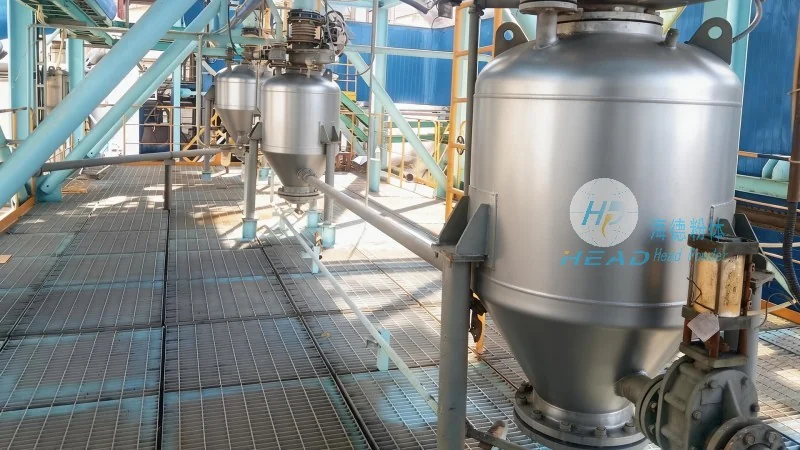
Application of Pneumatic Conveying in Industrial Settings
Shandong HeadPowder Engineering Co., Ltd. specializes in designing and implementing pneumatic conveying systems tailored to the unique requirements of carbide slag handling. The company's expertise lies in understanding the material's properties and adapting the conveying technology to optimize performance. For instance, in a steel plant, the company may design a dilute phase system to transport large quantities of slag over several kilometers, ensuring minimal downtime and maintenance. In a chemical processing facility, a dense phase system might be employed to handle finer, more abrasive particles, reducing the risk of pipeline blockages and equipment damage. The working scene characteristics, such as the need for high reliability and low maintenance, are addressed through the use of high-quality components and advanced control systems. The company's engineers also consider the environmental impact of the conveying process, incorporating dust collection and air filtration systems to meet local regulations and promote sustainable operations.
Advantages and Considerations in Carbide Slag Pneumatic Conveying
Pneumatic conveying offers several advantages over traditional methods like gravity or mechanical conveying for carbide slag. These include the ability to transport material vertically and horizontally over long distances, the reduction of manual handling, and the elimination of the need for large storage silos. However, the technology also presents considerations that must be addressed. The high velocity air can cause significant wear on the pipeline and equipment, necessitating the use of corrosion-resistant materials like stainless steel or special coatings. Additionally, the system requires a reliable air supply and pressure control to maintain consistent conveying performance. The cost of compressed air and energy consumption is another factor to consider, as the efficiency of the system directly impacts operational expenses. Despite these considerations, the benefits of pneumatic conveying often outweigh the drawbacks, making it the preferred choice for many industrial applications.
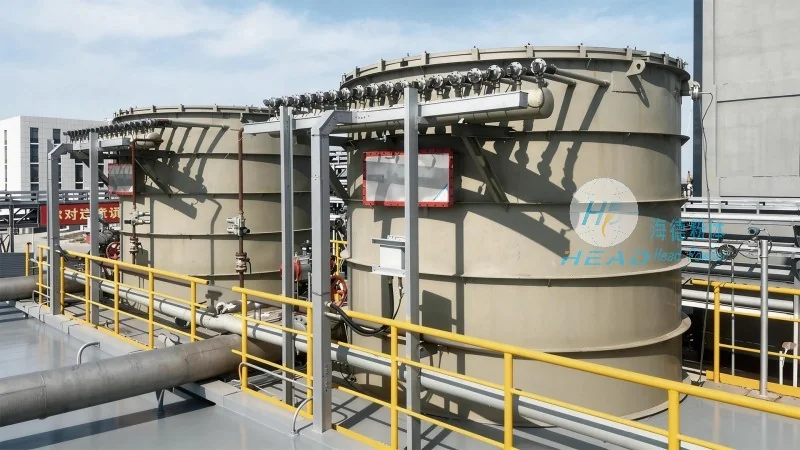
Conclusion
Carbide slag pneumatic conveying is a sophisticated technology that combines engineering principles with material handling expertise to address the challenges of transporting this difficult-to-handle byproduct. The working scene characteristics, which vary based on industrial applications and material properties, require tailored solutions that balance efficiency, reliability, and environmental compliance. Shandong HeadPowder Engineering Co., Ltd. plays a crucial role in this field by providing customized pneumatic conveying systems that meet the specific needs of clients, ensuring safe and effective handling of carbide slag in various industrial settings. As the demand for sustainable waste management and efficient material transport grows, the importance of pneumatic conveying in carbide slag handling will continue to increase, driving further innovation and optimization in the technology.