

Principle and Working Scene Characteristics of Desulfurization Gypsum Pneumatic Conveying
Shandong HeadPowder Engineering Co., Ltd., a leading provider of industrial material handling solutions based in Shandong, China, specializes in the design, manufacturing, and installation of pneumatic conveying systems for desulfurization gypsum. This article explores the fundamental principles behind these systems and highlights the key characteristics of their operational environments.
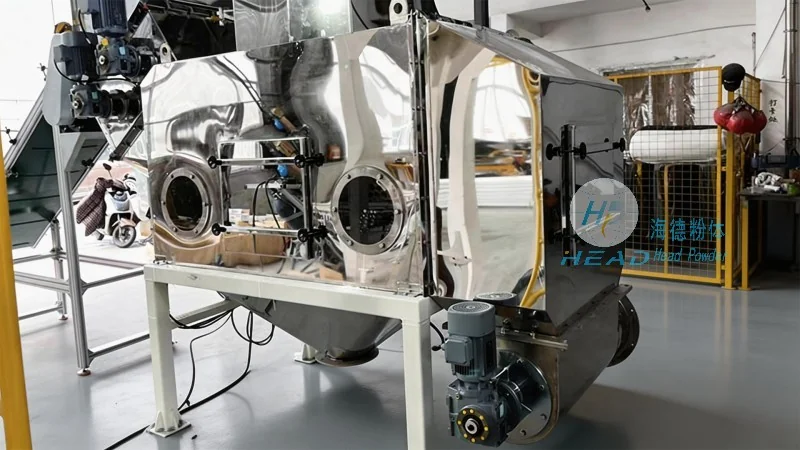
Company Overview and Expertise
HeadPowder Engineering is dedicated to delivering high-efficiency and reliable solutions for the transportation of desulfurization gypsum, a byproduct of flue gas desulfurization in power plants. With a strong presence in the region, the company leverages its technical expertise to address the unique challenges associated with handling this material, which is widely used in the production of gypsum board, cement, and other building materials.
The Principle of Pneumatic Conveying for Desulfurization Gypsum
Pneumatic conveying is a method of transporting bulk materials through a pipeline using a gas stream, typically air. For desulfurization gypsum, which is a fine, powdery substance with specific physical properties, the system operates on either positive pressure or negative pressure (vacuum) principles. Positive pressure systems use a blower to force air and material through the pipeline, while negative pressure systems employ a vacuum to draw material into the system. The choice of system depends on factors such as the distance to be covered, the volume of material, and the need for dust control.
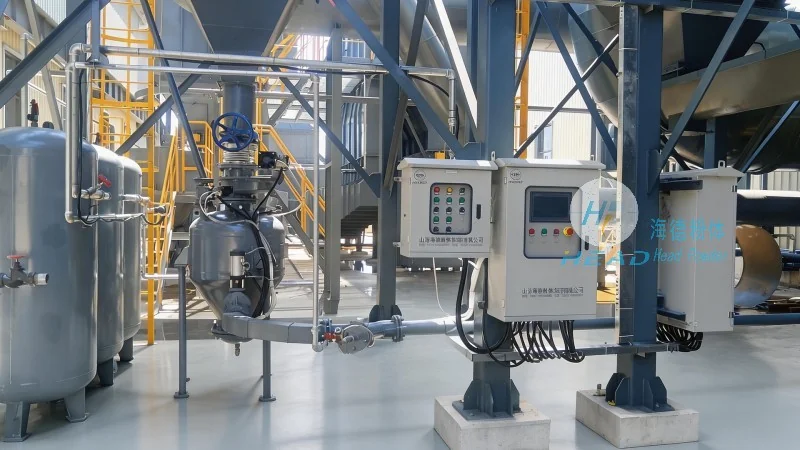
The core components of a desulfurization gypsum pneumatic conveying system include a material feeder, a blower or vacuum pump, a pipeline network, a separation or filtration system, and a discharge device. The material feeder ensures a consistent flow of gypsum into the system, while the blower provides the necessary pressure or vacuum. The pipeline network transports the material from the source to the destination, and the separation system removes any air or fine particles from the material stream, preventing clogging and ensuring the material is delivered in a dry, usable state.
Key Characteristics of Working Scenes for Desulfurization Gypsum Pneumatic Conveying
The operational environments for desulfurization gypsum pneumatic conveying systems vary based on the application and the scale of the project. In power plants, for example, the system is often integrated with the flue gas desulfurization (FGD) process, where the gypsum is generated as a byproduct. The working scene in this case involves handling large volumes of material over relatively short distances, with a focus on efficiency and minimal downtime. The system must be capable of handling the high moisture content of the gypsum, which can affect its flow characteristics and the overall performance of the conveying process.
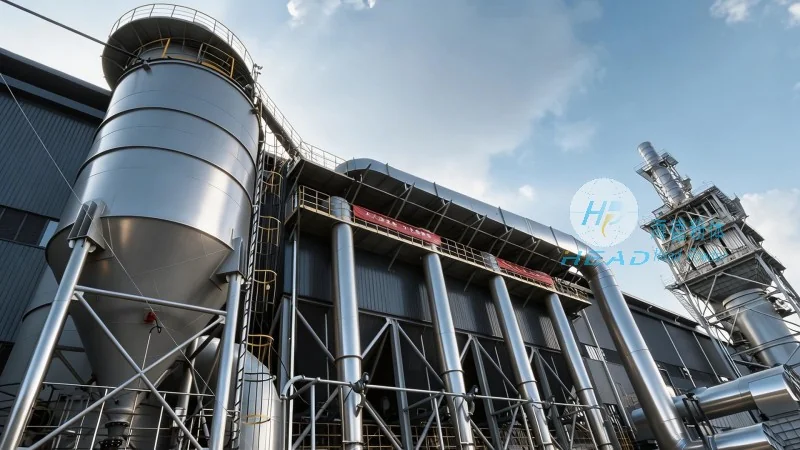
In industrial facilities such as gypsum board manufacturing plants or cement production sites, the working scene shifts to the transportation of the gypsum from storage to processing equipment. Here, the system may need to cover longer distances and operate at higher pressures to ensure the material reaches the destination without degradation. The characteristics of the working scene also include the need for dust control measures, as gypsum is a fine powder that can create airborne particles if not handled properly. The system must be designed to minimize dust emissions and comply with environmental regulations.
Another important aspect of the working scene is the maintenance and operational flexibility. Desulfurization gypsum systems require regular maintenance to ensure optimal performance, including cleaning of the pipeline, inspection of the blower and feeder components, and replacement of worn parts. The system should be designed for easy access to these components to reduce downtime and maintenance costs. Additionally, the flexibility to adjust the conveying rate or direction is crucial, especially in facilities where the gypsum is used in multiple processes or where production schedules change.
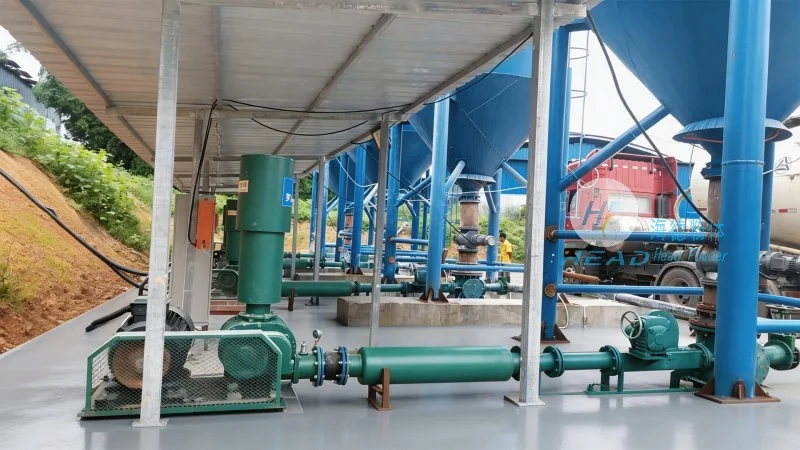
Efficiency and Environmental Considerations
Desulfurization gypsum pneumatic conveying systems are designed to maximize efficiency while minimizing environmental impact. The use of enclosed pipelines prevents dust from being released into the atmosphere, reducing air pollution and improving workplace safety. The systems are also energy-efficient, with modern blowers and pumps designed to operate at optimal performance levels, reducing energy consumption and operating costs. Additionally, the ability to handle large volumes of material in a single operation reduces the number of handling steps, which in turn lowers the risk of material loss and contamination.
The environmental benefits of using pneumatic conveying for desulfurization gypsum are significant. By capturing and transporting the gypsum in a closed system, the process reduces the amount of waste that would otherwise be disposed of in landfills. The gypsum, being a byproduct of flue gas desulfurization, is a valuable material that can be repurposed in the construction industry, making the overall process more sustainable. The system's design also minimizes the need for water or other resources during the conveying process, further enhancing its environmental profile.