

Carbide Slag Pneumatic Conveying Technology Analysis: Comparison of Positive and Negative Pressure M
Carbide slag, a byproduct of the calcium carbide production process, poses significant challenges in handling and disposal due to its high moisture content, abrasive nature, and potential environmental hazards. Pneumatic conveying technology has emerged as a reliable solution for transporting such materials over long distances or within industrial facilities. This article provides a detailed analysis of the two primary pneumatic conveying modes—positive and negative pressure systems—used for carbide slag transportation, highlighting their operational principles, advantages, and practical applications.
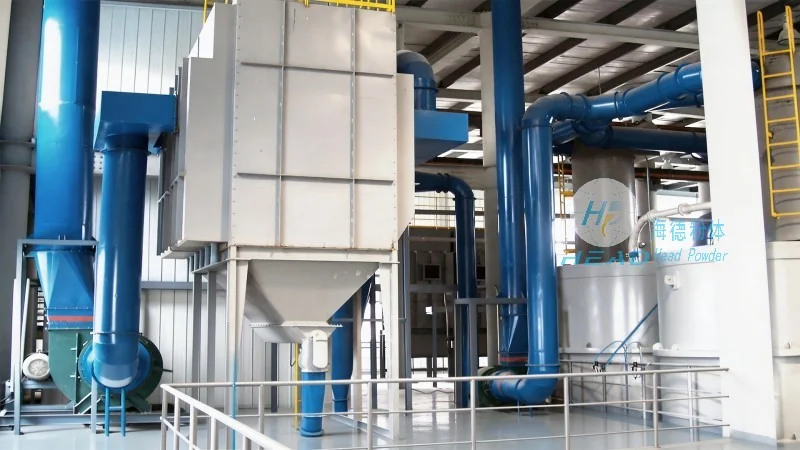
Overview of Pneumatic Conveying Systems for Carbide Slag
Pneumatic conveying systems utilize air or gas to transport bulk materials like carbide slag through a pipeline network. The choice between positive and negative pressure modes depends on factors such as material characteristics, distance, system complexity, and cost considerations. Both systems are designed to handle abrasive and moisture-rich materials efficiently, but they operate on fundamentally different principles.
Positive Pressure Pneumatic Conveying Mode
Positive pressure systems operate by blowing air or gas into the conveying line, creating a pressure higher than the ambient air pressure. The material is fed into the pipeline at the inlet, where it is mixed with the pressurized air stream. The air flow propels the material forward through the pipeline, ensuring consistent and controlled transportation. This mode is particularly suitable for short to medium distances and applications where the material needs to be delivered to a specific location under pressure.
Key advantages of positive pressure systems include high material transport rates, the ability to handle abrasive and sticky materials, and reduced risk of material degradation due to minimal contact with the pipeline interior. However, they require robust air compressors and may generate higher noise levels and energy consumption compared to negative pressure systems.
Negative Pressure Pneumatic Conveying Mode
Negative pressure systems, also known as vacuum or suction systems, operate by creating a vacuum in the conveying line, drawing the material and air mixture into the pipeline. The material is introduced at the inlet, where it is entrained by the suction created by a vacuum pump. The material is then transported to the collection point, where the air is filtered and the material is deposited. This mode is ideal for long-distance transport or when the material needs to be collected from multiple sources.
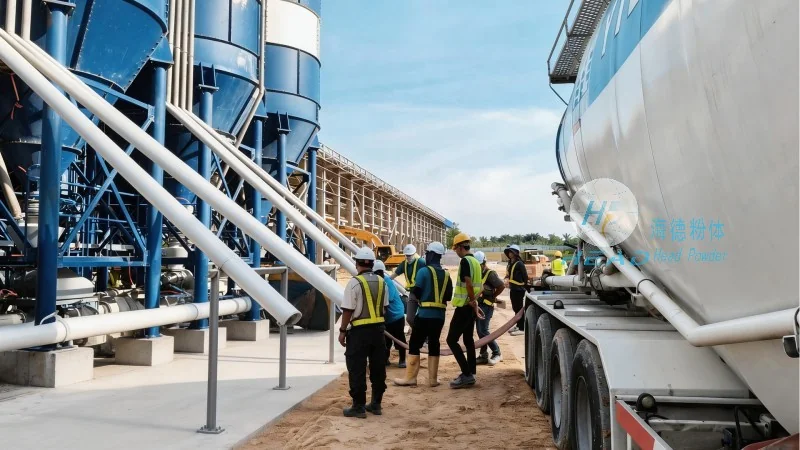
Advantages of negative pressure systems include lower energy consumption, reduced noise levels, and the ability to handle materials with higher moisture content. However, they are more susceptible to blockages and require careful maintenance to prevent dust emissions and ensure efficient operation.
Comparison of Positive and Negative Pressure Modes
When selecting between positive and negative pressure pneumatic conveying systems for carbide slag, several factors must be considered. Positive pressure systems are generally more suitable for short to medium distances and applications requiring high material throughput, while negative pressure systems are preferred for long-distance transport or when the material needs to be collected from multiple points.
From an operational perspective, positive pressure systems offer better control over material flow and are less prone to blockages, making them ideal for abrasive materials like carbide slag. Negative pressure systems, on the other hand, are more energy-efficient and produce less noise, which may be advantageous in industrial settings where noise regulations are strict.
Cost is another critical factor. Positive pressure systems typically require more powerful air compressors and higher maintenance costs due to the wear and tear on components from abrasive materials. Negative pressure systems, while initially more expensive due to the vacuum pump, may have lower long-term operational costs due to reduced energy consumption.
Application Scenarios and Practical Considerations
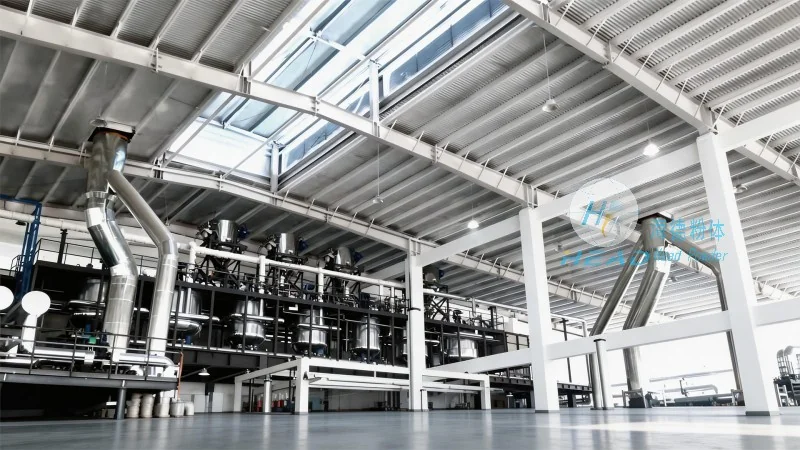
The choice of pneumatic conveying mode for carbide slag depends on the specific application requirements. For example, in a calcium carbide plant, a positive pressure system may be used to transport slag from the reactor to a storage silo over a short distance, while a negative pressure system may be employed to collect slag from multiple reactors and transport it to a central disposal facility over a longer distance.
Material characteristics, such as moisture content and particle size, also influence the system selection. High moisture content materials may require additional drying or pre-treatment before being conveyed, which can impact the choice of system. Additionally, the pipeline layout and available space must be considered, as positive pressure systems may require more space for air compressors and storage tanks.
About Shandong HeadPowder Engineering Co., Ltd.
Shandong HeadPowder Engineering Co., Ltd., a leading provider of industrial material handling solutions, specializes in designing and manufacturing customized pneumatic conveying systems for various applications, including carbide slag transportation. With years of experience in the industry, HeadPowder engineers leverage advanced technology and robust engineering principles to develop efficient and reliable systems that meet the unique needs of each client.
Our team of experts works closely with clients to assess their material handling requirements, provide technical consultations, and deliver tailored solutions that optimize performance, reduce operational costs, and ensure compliance with environmental regulations. HeadPowder's commitment to quality and innovation has made it a trusted partner for industries worldwide, helping them achieve efficient and sustainable material transportation solutions.