

Technical Analysis of Tea Pneumatic Conveying Systems: Comparison of Positive Pressure and Negative
Tea processing involves numerous steps, and efficient material handling is crucial for maintaining quality and productivity. Pneumatic conveying systems are widely used in the tea industry to transport loose tea leaves, tea powder, and other processed products. These systems rely on air to move materials through a network of pipes, offering advantages such as reduced contamination, improved hygiene, and the ability to handle delicate products without damage. This article provides a technical analysis of two primary pneumatic conveying modes—positive pressure and negative pressure systems—focusing on their applications, advantages, and considerations for tea processing facilities.
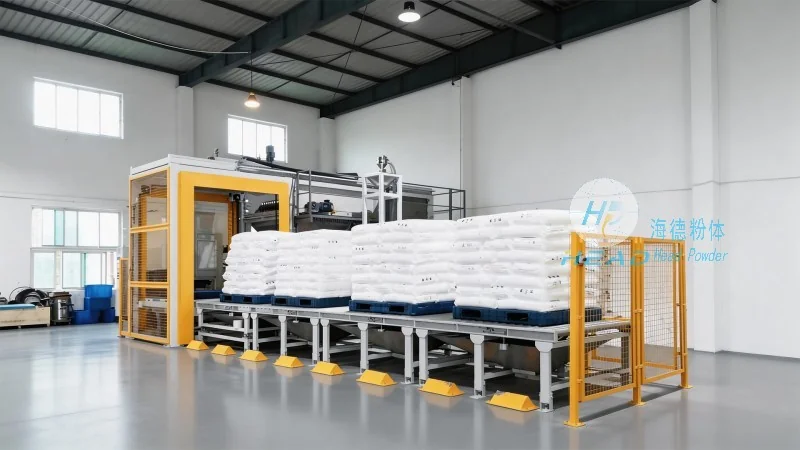
Introduction to Pneumatic Conveying in Tea Processing
Before delving into the comparison of positive and negative pressure systems, it is essential to understand the fundamental principles of pneumatic conveying. This technology uses compressed air or vacuum to transport solid materials in a fluidized state. In the tea industry, pneumatic conveyors are employed to move raw tea leaves from storage to processing units, transfer finished tea products to packaging lines, and handle intermediate products like tea powder or tea extracts. The choice of conveying mode depends on factors such as material characteristics, system layout, and operational requirements.
Positive Pressure Pneumatic Conveying Systems
Positive pressure systems operate by blowing air or a mixture of air and other gases into the conveying line, creating a pressure higher than the ambient air pressure. This method is particularly effective for transporting dry, free-flowing materials like tea leaves and tea powder. The system typically consists of a blower, a hopper or feeder, and a series of pipes with inlets and outlets. The positive pressure forces the material to move through the system, often with the help of cyclones or filters to separate the material from the air at the discharge point.
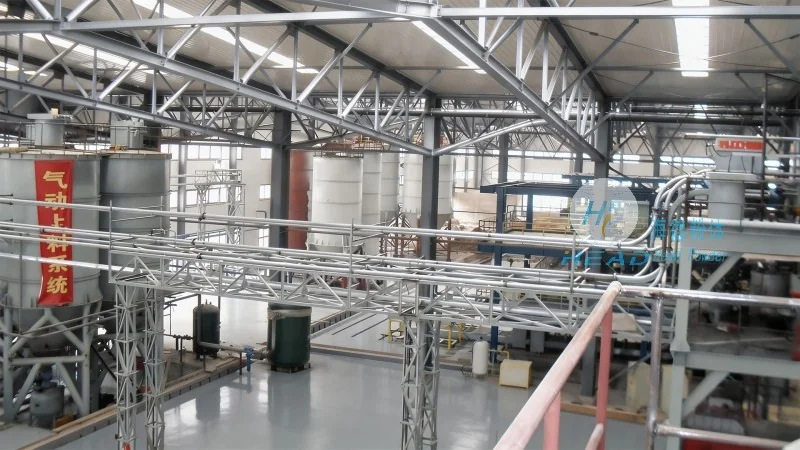
For tea processing, positive pressure systems offer several advantages. They are well-suited for handling fine powders and can maintain a consistent flow rate, which is critical for maintaining product quality. Additionally, these systems are relatively simple to install and maintain, making them a popular choice for many tea factories. However, they may require more energy compared to negative pressure systems due to the need to generate higher air pressure.
Negative Pressure Pneumatic Conveying Systems
Negative pressure systems, also known as vacuum systems, operate by creating a vacuum in the conveying line, which draws material into the system. This mode is ideal for transporting materials that are dusty or require a more controlled environment, as the system can capture and contain particles effectively. The setup includes a vacuum pump, a hopper or feeder, and a network of pipes with collection points.
In the context of tea processing, negative pressure systems are commonly used for handling loose tea leaves or semi-solid products. They are particularly effective when the material is prone to dust generation or when the process requires a clean environment. The vacuum helps to prevent material loss and ensures that the product remains intact during transport. However, negative pressure systems may have limitations in terms of the distance and height they can convey materials, as the vacuum strength diminishes over longer distances.
Key Considerations for Choosing Between Positive and Negative Pressure Systems
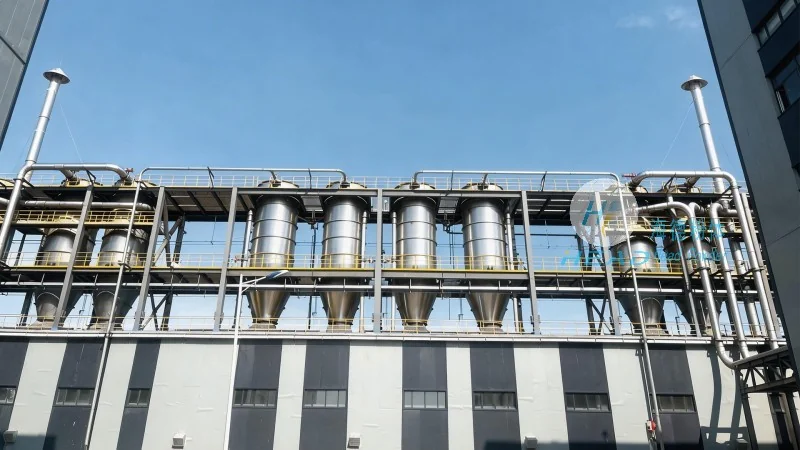
When selecting a pneumatic conveying system for tea processing, several factors must be considered to ensure optimal performance and efficiency. The first consideration is the material's physical properties, such as particle size, moisture content, and flowability. For example, fine tea powders may be better suited for positive pressure systems due to their free-flowing nature, while larger, more irregular tea leaves might benefit from negative pressure systems to prevent blockages.
Another critical factor is the system layout and the distance between the source and destination. Positive pressure systems are generally more suitable for short to medium distances, as maintaining high pressure over long distances can be challenging. Conversely, negative pressure systems are better for longer conveying distances, as the vacuum can be maintained more effectively over extended pipe runs. Additionally, the energy consumption and operational costs should be evaluated, as both systems have different power requirements and maintenance needs.
Application Examples in Tea Processing Facilities
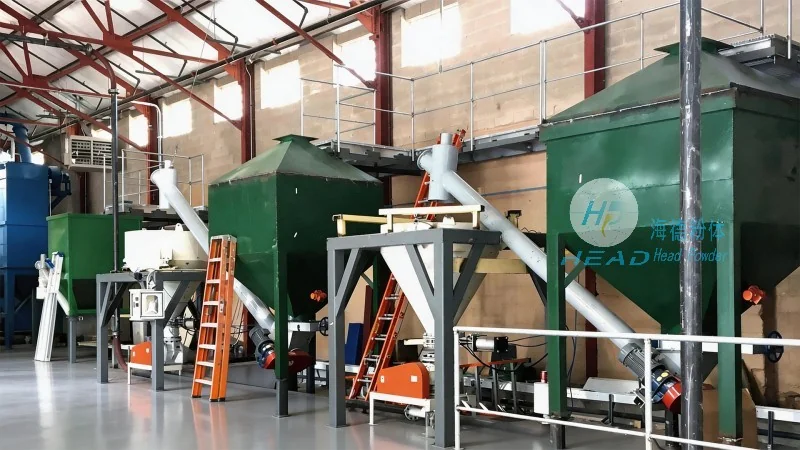
Real-world applications of pneumatic conveying systems in tea processing illustrate the practical benefits of each mode. For instance, a tea factory in Shandong, China, uses a positive pressure system to transport tea powder from the drying and grinding units to the packaging line. The system efficiently handles the fine powder, ensuring consistent flow and minimal product loss. In contrast, another facility employs a negative pressure system to move loose tea leaves from the sorting and grading stages to the blending area. The vacuum system effectively captures the leaves and prevents dust from spreading, maintaining a clean and hygienic environment.
Conclusion and Recommendations
Both positive pressure and negative pressure pneumatic conveying systems offer viable solutions for tea processing facilities, each with its own set of advantages and limitations. The choice between the two depends on the specific requirements of the operation, including material characteristics, system layout, and operational constraints. For tea processing, positive pressure systems are often preferred for handling fine powders and short to medium conveying distances, while negative pressure systems are more suitable for larger, more delicate materials and longer distances.
When implementing a pneumatic conveying system, it is essential to consider factors such as energy efficiency, maintenance requirements, and product quality. Consulting with experts from companies like Shandong HeadPowder Engineering Co., Ltd. can provide valuable insights into the best system design for a particular tea processing facility. By selecting the appropriate conveying mode, tea manufacturers can enhance operational efficiency, maintain product integrity, and reduce costs in the long run.