

Application and Optimization of Pneumatic Conveying Technology in Polycarbonate Conveying Design
Polycarbonate is a widely used engineering plastic recognized for its exceptional optical clarity, high impact resistance, and thermal stability. In industrial manufacturing processes, the efficient and reliable transportation of polycarbonate materials is essential for maintaining production line efficiency and ensuring product quality. Pneumatic conveying technology has become a preferred method for handling such materials, offering advantages such as dust-free operation, flexible system configurations, and the ability to transport materials over extended distances without the need for mechanical components that could cause material damage. This article examines the application and optimization of pneumatic conveying systems specifically designed for polycarbonate, detailing the technical considerations and benefits for industrial applications.
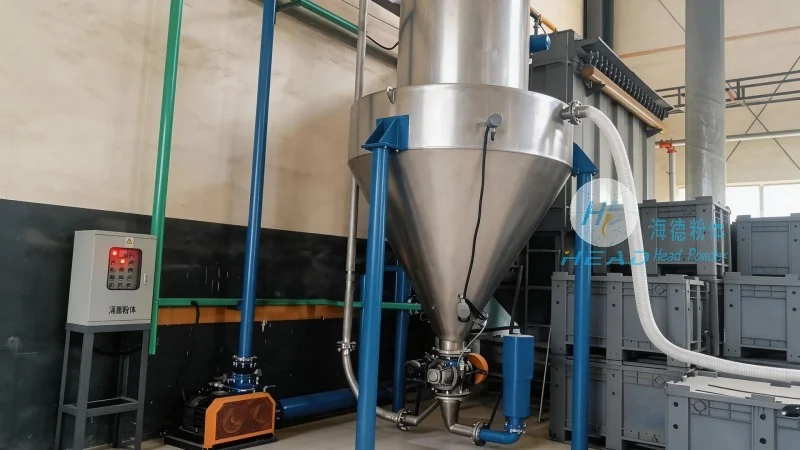
Pneumatic Conveying Fundamentals and Its Suitability for Polycarbonate
Pneumatic conveying systems operate by using air or other gases to move bulk materials through a pipeline network. Two primary system types are commonly used: dilute-phase and dense-phase systems. Dilute-phase systems typically employ high-velocity air to transport materials, making them suitable for light materials like polycarbonate, as they can achieve long-distance transport with relatively low pressure drops. Dense-phase systems, in contrast, use lower air velocities and higher material concentrations, making them ideal for materials that are prone to degradation or require gentle handling. For polycarbonate, which is a brittle and sensitive material, the choice of system type is critical to prevent particle breakage and maintain consistent material quality during transport.
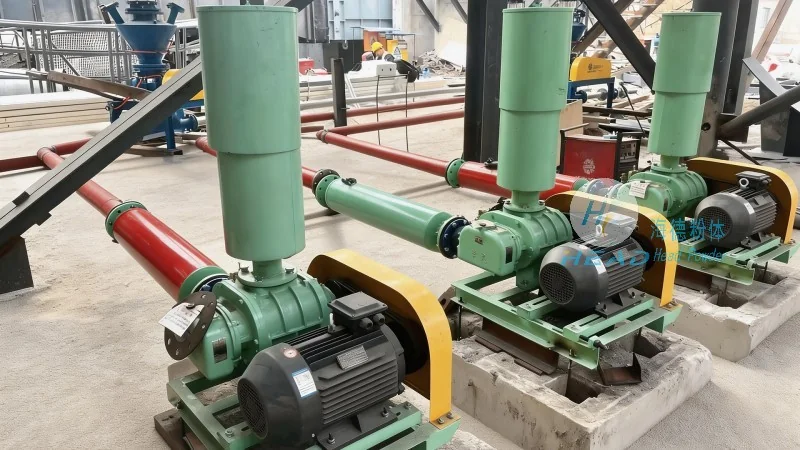
Technical Factors Influencing Polycarbonate Pneumatic Conveying Performance
Designing an effective pneumatic conveying system for polycarbonate requires careful consideration of several technical aspects. First, the material's physical properties, including its density, particle size distribution, and flow characteristics, directly impact system design parameters. Polycarbonate particles are generally small and irregular, which can lead to blockages if the system is not properly sized. Therefore, accurate material characterization is essential for selecting appropriate pipeline diameters, air velocities, and pressure levels. Second, the system must be constructed to minimize mechanical stress on the material. This involves using smooth, corrosion-resistant materials for the pipeline and avoiding sharp bends or fittings that could cause particle impact and damage. Additionally, the conveying air must be filtered to remove contaminants that could scratch or contaminate the polycarbonate surface, as even minor particles can affect the material's optical clarity and overall performance.
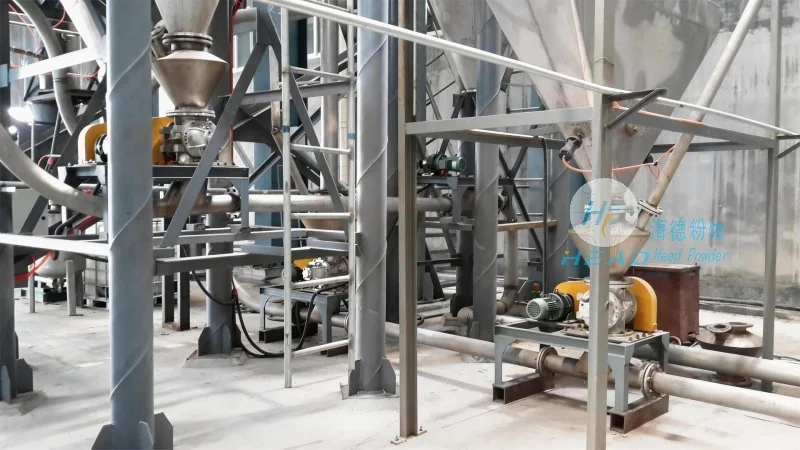
Optimization Strategies for Enhancing Polycarbonate Conveying Systems
Optimizing a pneumatic conveying system for polycarbonate involves a combination of system design modifications and operational adjustments. One key optimization is the implementation of variable frequency drives (VFDs) to control air flow and pressure, allowing for precise adjustments based on material load and system conditions. This helps maintain consistent conveying rates, reduces energy consumption, and minimizes material degradation. Another strategy is the use of inline filters and cyclone separators to ensure that the conveying air remains clean and free of particulates, which is vital for preserving the material's quality. Furthermore, regular maintenance of system components, such as checking for wear on pipeline fittings and ensuring proper air filter performance, is essential to prevent system downtime and maintain long-term operational efficiency.
Case Study: Successful Implementation by Shandong HeadPowder Engineering Co., Ltd.
Shandong HeadPowder Engineering Co., Ltd., a leading engineering firm specializing in pneumatic conveying solutions, has successfully implemented optimized polycarbonate conveying systems for various industrial clients. One notable project involved a manufacturing facility that required transporting polycarbonate pellets from a storage silo to an injection molding machine over a distance of 100 meters. The company designed a dilute-phase system with a custom pipeline layout that minimized bends and utilized smooth, food-grade stainless steel for the pipeline to prevent material contamination. By carefully selecting the air velocity and pressure, the system achieved a conveying rate of 2 tons per hour with minimal material degradation. The client reported improved production efficiency, reduced material waste, and enhanced product quality, highlighting the effectiveness of the optimized system design.
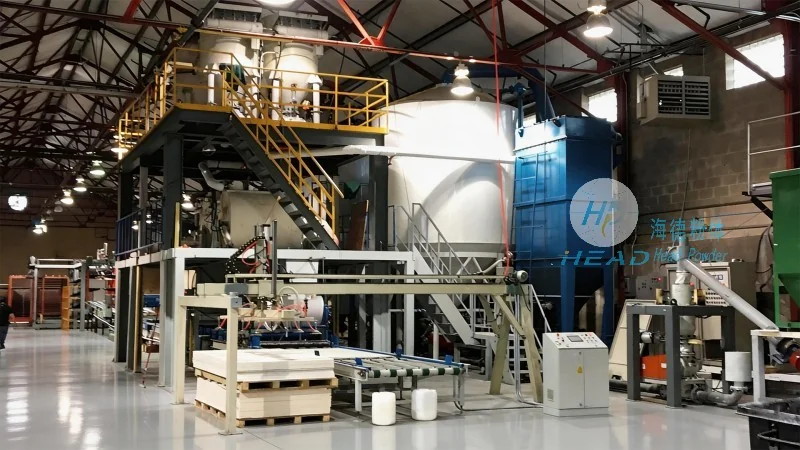
Conclusion and Future Directions
In summary, the application and optimization of pneumatic conveying technology for polycarbonate are critical for ensuring efficient and high-quality material transport in industrial settings. By considering the material's unique properties and implementing tailored system designs, manufacturers can achieve reliable performance and cost savings. As technology advances, future trends may include the integration of smart sensors and automation to further optimize system operation and reduce human intervention. However, the core principles of material characterization, system design, and maintenance will remain essential for successful pneumatic conveying of polycarbonate. For industries relying on polycarbonate materials, partnering with experienced engineering firms like Shandong HeadPowder Engineering Co., Ltd. can provide the expertise needed to design and implement effective conveying solutions that meet specific production requirements and enhance overall operational efficiency.