HeadPowder, a leading engineering firm based in Shandong, China, specializes in the design and implementation of advanced pneumatic conveying systems tailored for the efficient handling of feed pellets. This article provides an overview of the technology, structural components, and operational principles behind these systems, highlighting their role in modern feed processing operations.
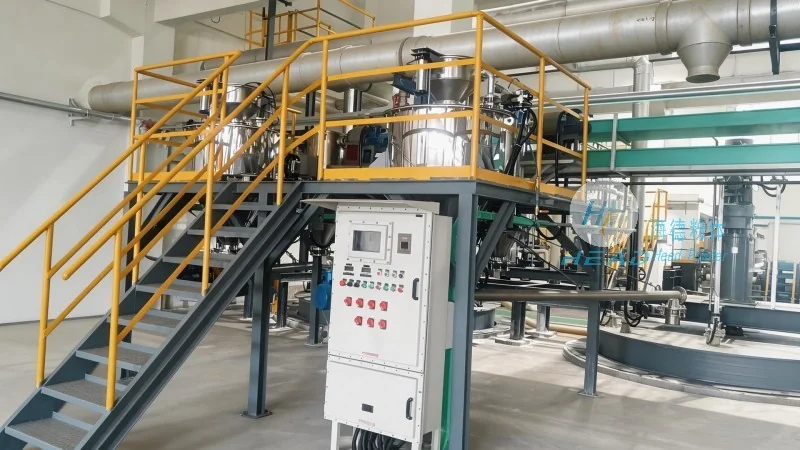
Company Overview: HeadPowder Engineering
Shandong HeadPowder Engineering Co., Ltd., commonly known as HeadPowder, is a reputable company dedicated to providing innovative solutions in material handling and processing. With a strong presence in the feed industry, HeadPowder leverages its expertise to develop reliable and efficient pneumatic conveying systems that meet the demanding requirements of feed pellet transportation and distribution.
Pneumatic Conveying for Feed Pellets: An Overview
Pneumatic conveying systems are widely used in the feed industry to transport feed pellets from storage silos, processing units, or packaging areas to various destinations. These systems utilize air or gas as the conveying medium to move bulk materials, offering advantages such as reduced labor costs, minimized product contamination, and improved safety compared to traditional mechanical conveying methods.
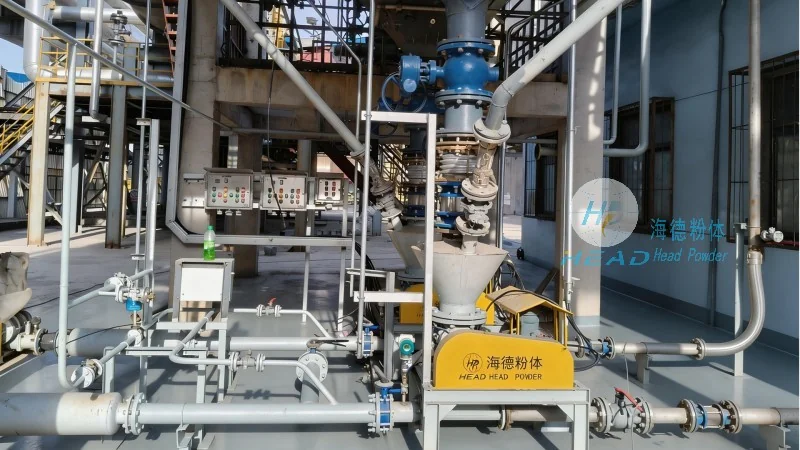
Structural Components of Pneumatic Conveying Systems
The core components of a pneumatic conveying system for feed pellets typically include a hopper or feeder, a conveying line (usually made of metal or flexible tubing), a compressor or blower to generate the air flow, and a receiver or discharge unit. The hopper is designed to feed the feed pellets into the system at a controlled rate, ensuring consistent material flow. The conveying line transports the pellets and air mixture through the system, while the compressor provides the necessary pressure to move the material. The receiver collects the pellets at the destination, separating them from the air flow.
Operational Principles: How Pneumatic Conveying Works
The operation of a pneumatic conveying system for feed pellets involves several key steps. First, the feed pellets are fed into the hopper at a controlled rate. The compressor then generates a flow of air, which is introduced into the conveying line. As the air flows through the line, it lifts and transports the feed pellets along with it. The mixture of pellets and air moves through the system until it reaches the receiver, where the pellets are discharged and the air is either recirculated or vented. This process can be either positive pressure (where the air pressure is higher than ambient) or negative pressure (where the system is under vacuum), depending on the specific application and system design.
Advantages of Pneumatic Conveying for Feed Pellets
Implementing pneumatic conveying systems for feed pellets offers several benefits. These include enhanced efficiency in material handling, reduced risk of product damage or contamination, improved safety for operators, and the ability to handle a wide range of feed pellet sizes and types. Additionally, pneumatic conveying systems can be designed to operate in both positive and negative pressure modes, providing flexibility in different feed processing scenarios.
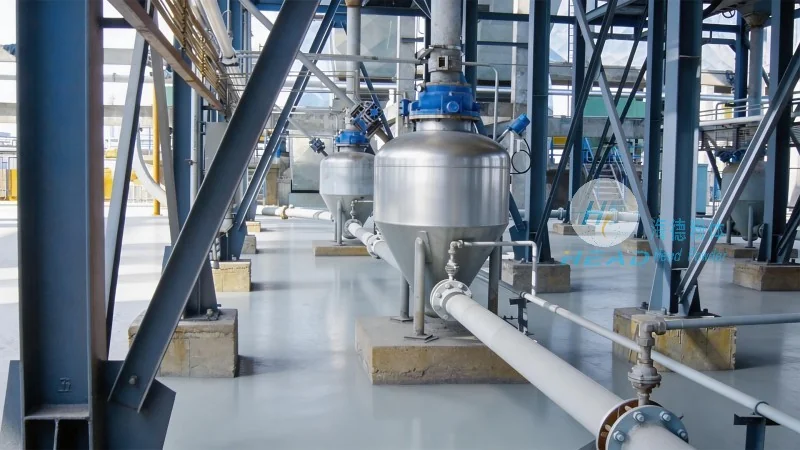
Applications in Feed Processing
Pneumatic conveying systems are integral to various stages of feed processing, including the transport of feed pellets from storage to processing lines, from processing units to packaging areas, and even for transferring feed to different locations within a facility. These systems ensure that feed pellets are moved efficiently and safely, supporting the overall productivity and quality of feed production operations.
Conclusion
HeadPowder Engineering, with its expertise in pneumatic conveying technology, provides comprehensive solutions for the efficient handling of feed pellets. By understanding the structural components and operational principles of these systems, feed processing facilities can optimize their material handling processes, improve operational efficiency, and maintain the quality of their products. The use of pneumatic conveying systems represents a significant advancement in feed processing technology, enabling more reliable and cost-effective operations.




