HeadPowder, a leading manufacturer in the field of industrial material handling solutions, specializes in the design, development, and implementation of advanced pneumatic conveying systems tailored for the dye industry. This article provides an overview of dye pneumatic conveying systems, focusing on their structural components and operational principles, while highlighting the expertise of Shandong HeadPowder Engineering Co., Ltd. based in Shandong, China.
Understanding Dye Pneumatic Conveying Systems
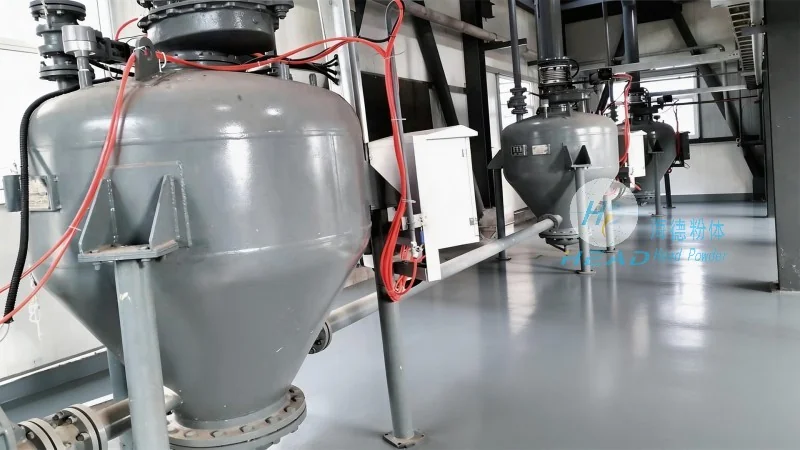
Dye pneumatic conveying systems are essential for the efficient and safe transportation of powdered or granular dye materials within industrial settings. These systems utilize air or gas as the conveying medium to move materials from one location to another, eliminating the need for mechanical components like belts or screws that may cause contamination or damage to the delicate dye particles. The primary advantage of pneumatic conveying lies in its ability to handle fine powders, ensuring minimal product degradation and maintaining consistent quality throughout the process.
Key Structural Components of Dye Pneumatic Conveying Systems
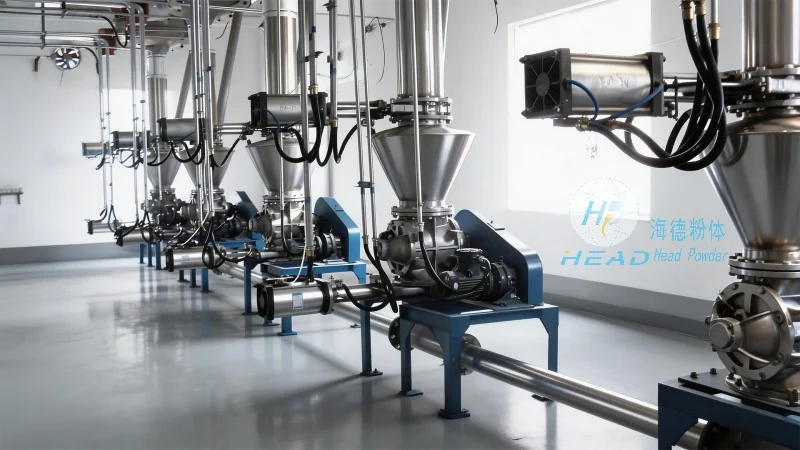
The effectiveness of a dye pneumatic conveying system depends on its well-designed structural components, each playing a crucial role in the overall operation. The main components typically include the hopper, feeder, conveying line, and receiver. The hopper serves as the storage container for the dye material, ensuring a steady supply to the feeder. The feeder, often a rotary valve or a screw feeder, regulates the flow of dye into the conveying line, preventing overloading and maintaining a consistent feed rate. The conveying line, usually made of stainless steel or other corrosion-resistant materials, is designed to withstand the abrasive nature of dye powders and prevent contamination. The receiver, positioned at the destination point, collects the conveyed dye and discharges it into the next processing stage. Additionally, the system may include a filter and a dust collector to capture any airborne particles and maintain a clean working environment.
Working Principles of Dye Pneumatic Conveying Systems
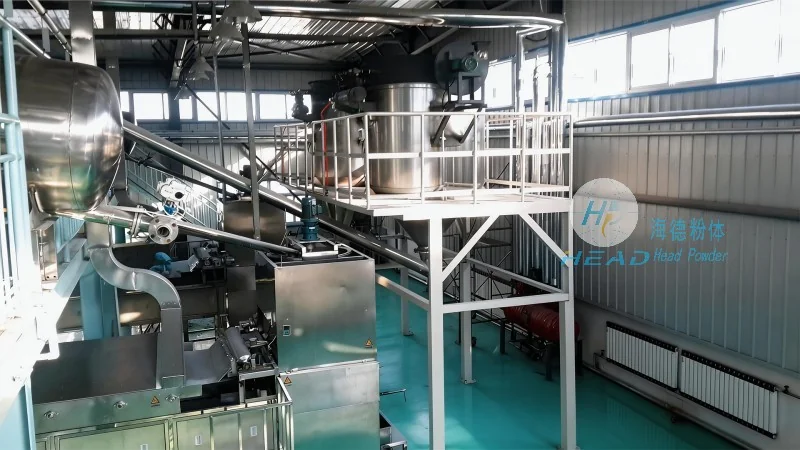
The operation of a dye pneumatic conveying system is based on the principle of creating a pressure differential between the inlet and outlet of the conveying line. When the system is activated, a fan or blower generates airflow that draws the dye material from the hopper into the conveying line. The feeder then introduces the material into the stream of air, which carries the particles through the line to the receiver. The velocity of the air is carefully controlled to ensure that the dye particles are suspended and transported without settling or clogging the line. The pressure and velocity of the air are adjusted based on the characteristics of the dye material, such as particle size, density, and moisture content, to optimize the conveying efficiency and prevent damage to the material.
Advantages of Using Dye Pneumatic Conveying Systems
Implementing a pneumatic conveying system for dye handling offers several benefits that enhance operational efficiency and product quality. Firstly, it minimizes the risk of cross-contamination between different dye batches, as the system operates in a closed loop, preventing dust and particles from escaping into the environment. Secondly, it reduces labor costs by automating the material handling process, eliminating the need for manual handling of heavy or hazardous dye powders. Thirdly, the system provides consistent and reliable material flow, ensuring that the dye is delivered to the processing equipment at a uniform rate, which is critical for maintaining product consistency. Lastly, the closed system design improves workplace safety by reducing exposure to airborne dust and minimizing the risk of accidents associated with manual handling.
HeadPowder's Expertise in Dye Pneumatic Conveying Systems
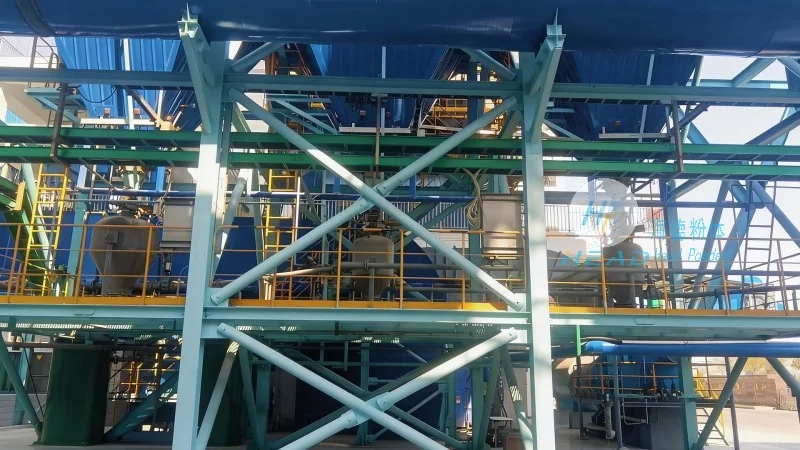
Shandong HeadPowder Engineering Co., Ltd., with its headquarters in Shandong, China, has established itself as a trusted provider of customized pneumatic conveying solutions for the dye industry. The company leverages years of experience and advanced engineering capabilities to design systems that meet the specific requirements of dye manufacturers. HeadPowder's team of experts works closely with clients to understand their operational needs, material characteristics, and production goals, ensuring that the final system is optimized for performance, reliability, and cost-effectiveness. The company's commitment to quality and innovation has enabled it to deliver solutions that enhance the efficiency and safety of dye handling processes across various industrial applications.




