Plastic pneumatic conveying systems are essential equipment in modern industrial processes, particularly for the efficient handling and transportation of plastic powders, granules, and other particulate materials. These systems utilize air or gas as the primary medium to move materials from one location to another, offering advantages such as reduced contamination, improved safety, and the ability to handle materials in a closed environment. This article provides an overview of the basic structure and working principles of plastic pneumatic conveying systems, highlighting key components and their functions, as offered by Shandong HeadPowder Engineering Co., Ltd. (headpowder), a leading manufacturer based in China.
Overview of Plastic Pneumatic Conveying Systems
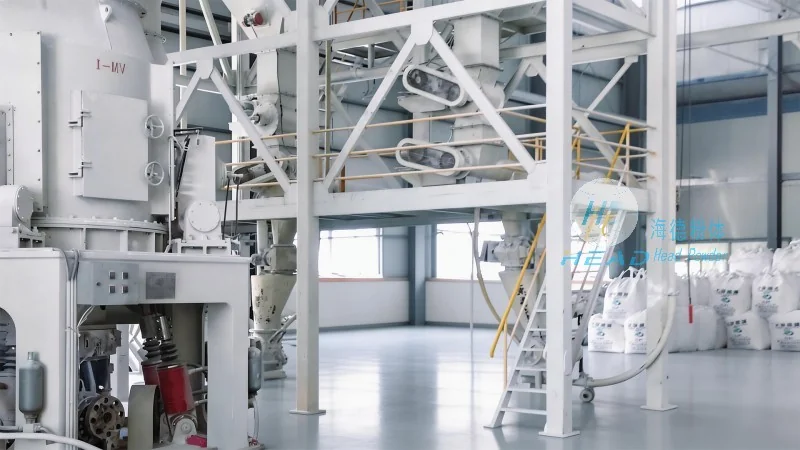
Plastic pneumatic conveying systems are designed to transport plastic materials through a network of pipes using air pressure or vacuum. The primary goal is to move materials from a source, such as a hopper or storage bin, to a destination, like a processing unit or packaging station. These systems are widely used in industries including plastics manufacturing, food processing, pharmaceuticals, and chemical production, where the need for clean, dust-free material handling is critical.
Key Components of a Plastic Pneumatic Conveying System
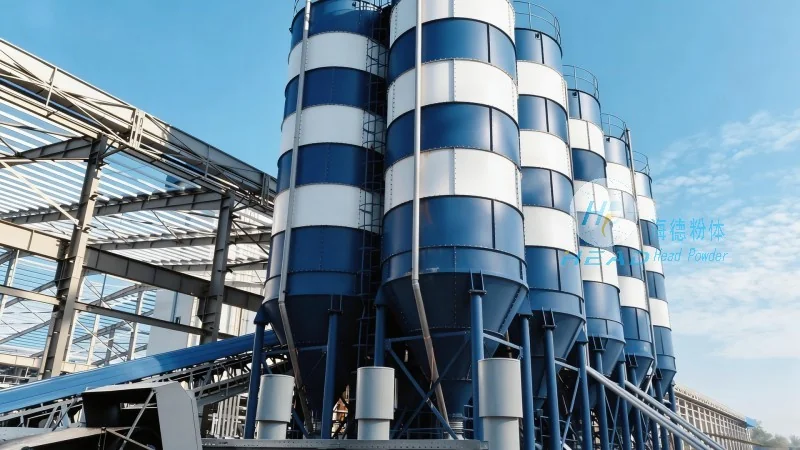
The core components of a plastic pneumatic conveying system typically include a material source, a conveying line, a separation or collection device, and a control system. Each component plays a vital role in ensuring the system operates efficiently and reliably. The material source, often a hopper or silo, holds the plastic material and feeds it into the system. The conveying line, made of materials compatible with plastic powders (such as stainless steel or specialized plastic), transports the material through the system. The separation or collection device, such as a cyclone or filter, removes the material from the air stream and collects it in a container. The control system manages the air flow, pressure, and material flow to optimize performance.
Working Principles of Plastic Pneumatic Conveying
The operation of a plastic pneumatic conveying system is based on the principles of fluid dynamics and air movement. There are two main types of systems: pressure and vacuum. In a pressure system, air is blown into the conveying line, creating a positive pressure that pushes the material forward. The material is suspended in the air stream and moves through the pipes. In a vacuum system, a vacuum is created at the receiving end, pulling the material from the source through the line. The choice between pressure and vacuum depends on factors such as the distance to be covered, the material characteristics, and the system layout.
Advantages of Plastic Pneumatic Conveying Systems
Plastic pneumatic conveying systems offer several advantages over traditional mechanical conveying methods. These include reduced contamination, as the material is handled in a closed system, preventing exposure to dust and other contaminants. Additionally, they provide improved safety by eliminating the need for manual handling of powders, which can be hazardous. The systems also offer flexibility in layout, allowing materials to be transported over long distances or around obstacles. Furthermore, they can handle a wide range of plastic materials, from fine powders to coarse granules, without causing degradation or damage.
Applications in the Plastic Industry
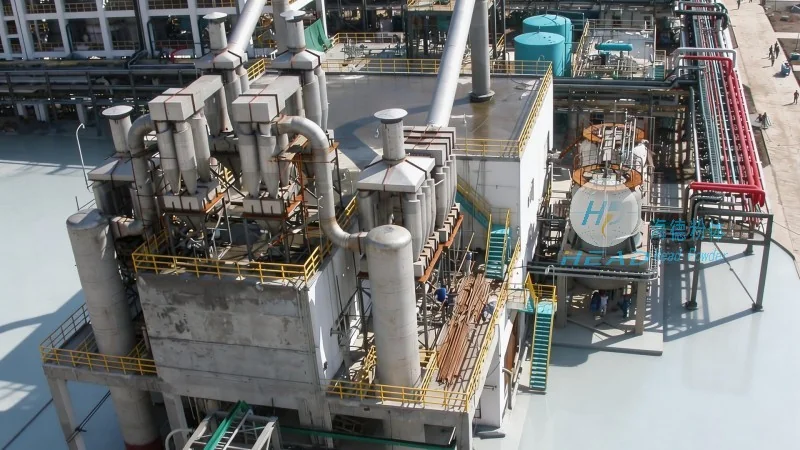
Plastic pneumatic conveying systems are widely used in various applications within the plastic industry. For example, in polymer production, they are used to transport raw materials from storage to processing units. In recycling operations, they help move plastic waste from collection bins to sorting and processing equipment. In manufacturing, they are used to transport finished plastic products from production lines to packaging stations. The systems are also used in research and development laboratories to handle small quantities of plastic materials for testing and analysis.
Maintenance and Operational Considerations
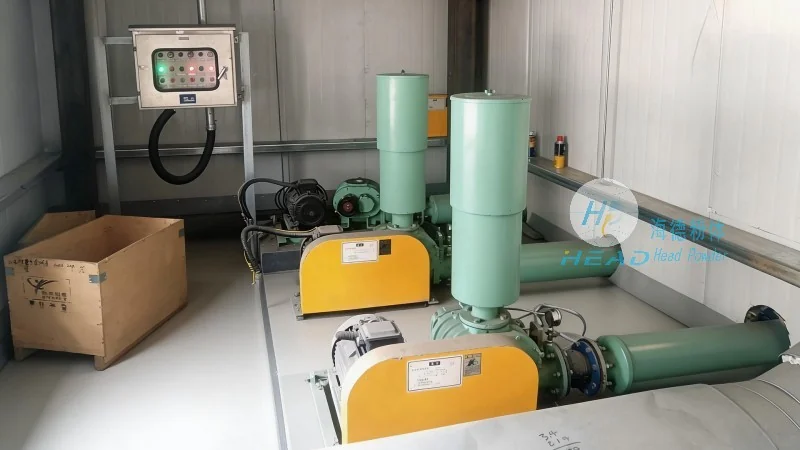
To ensure the efficient and reliable operation of plastic pneumatic conveying systems, regular maintenance is essential. This includes cleaning the conveying lines to prevent buildup of material, checking the air filters and compressors for proper functioning, and inspecting the separation devices for clogs or damage. Operational considerations also include monitoring the air pressure and flow rates to maintain optimal performance. Proper training of operators is also crucial to ensure safe and effective operation of the system.
Conclusion
Plastic pneumatic conveying systems are a critical component of modern industrial processes, providing efficient and safe handling of plastic materials. Understanding the structure and working principles of these systems is essential for their proper selection, installation, and maintenance. By leveraging the advantages of pneumatic conveying, industries can improve productivity, reduce costs, and enhance product quality. As technology advances, these systems continue to evolve, offering even more efficient and reliable solutions for material handling in the plastic industry.




