

Operation Process and Working Principle of Glucose Powder Pneumatic Conveying System Equipment
HeadPowder, formally known as Shandong HeadPowder Engineering Co., Ltd., is a professional manufacturer based in Shandong, China. The company specializes in the design, production, and installation of pneumatic conveying systems, particularly for handling bulk materials like glucose powder. This article provides a detailed overview of the operation process and working principle of the glucose powder pneumatic conveying system equipment, highlighting the key components and the step-by-step process of material transportation.
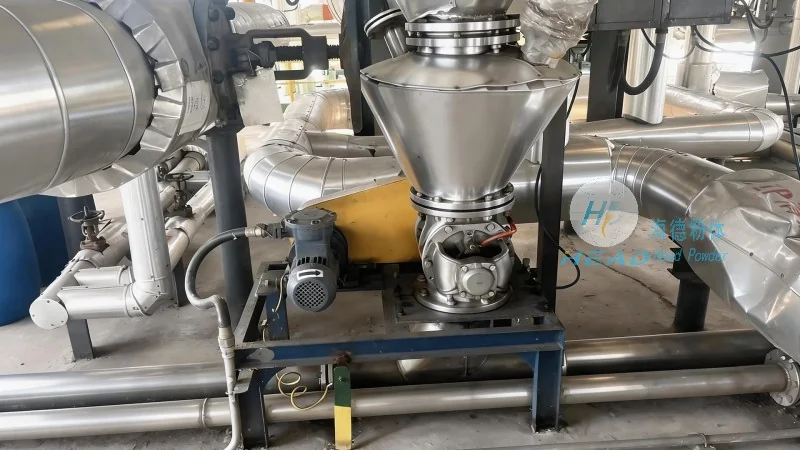
Key Components of the Glucose Powder Pneumatic Conveying System
The glucose powder pneumatic conveying system typically consists of several core components that work in tandem to ensure efficient material handling. The primary components include a material hopper, a rotary valve (or feeder), a conveying pipeline, a pressure vessel or receiver, and a dust collector. The material hopper is used to store the glucose powder, providing a consistent feed to the system. The rotary valve acts as a controlled feeder, regulating the flow of powder into the conveying line. The conveying pipeline is the main channel through which the powder is transported, often under pressure. The pressure vessel or receiver collects the conveyed material at the destination point. Finally, the dust collector ensures that any airborne particles are captured, maintaining a clean and safe working environment.
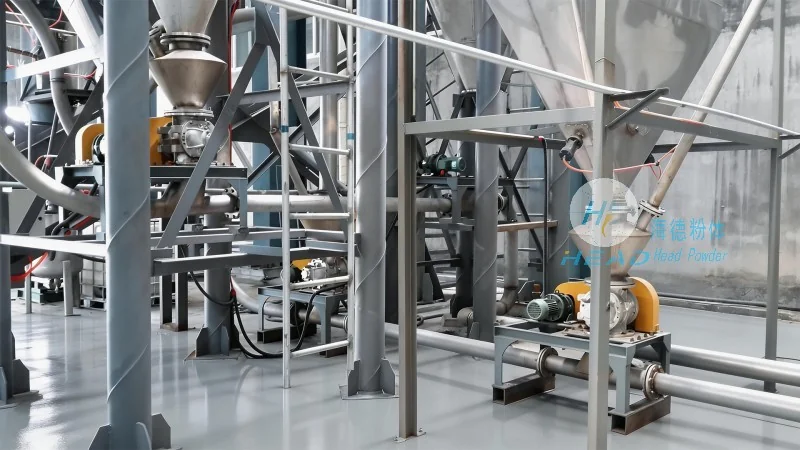
Working Principle of the Glucose Powder Pneumatic Conveying System
The working principle of the glucose powder pneumatic conveying system is based on the use of air or gas to transport the bulk material. The process begins with the material being fed from the hopper into the rotary valve. The rotary valve then releases the powder into the conveying pipeline, where it is carried by a high-velocity air stream. The air stream, generated by a blower or compressor, creates a pressure differential that propels the powder particles forward. As the powder travels through the pipeline, it may encounter various components such as bends, expansions, or filters, which help maintain the flow and prevent blockages. The material is then deposited into the pressure vessel or receiver at the end of the pipeline. The system is designed to handle the specific characteristics of glucose powder, such as its fine particle size and potential for static electricity, ensuring reliable and efficient transportation.
Operation Process of the Glucose Powder Pneumatic Conveying System
The operation process of the glucose powder pneumatic conveying system involves several sequential steps to ensure smooth and continuous material handling. First, the system is started by activating the blower or compressor, which generates the necessary air pressure. Simultaneously, the material hopper is filled with glucose powder, and the rotary valve is set to the appropriate feed rate. The powder is then released from the hopper into the rotary valve, and the valve controls the flow into the conveying pipeline. As the air stream moves through the pipeline, it carries the powder particles, maintaining a consistent flow rate. The system monitors the pressure and flow rates to ensure optimal performance. If any issues arise, such as blockages or pressure drops, the system may automatically adjust the feed rate or activate safety mechanisms. The material is collected in the pressure vessel or receiver, and the process continues until the hopper is emptied or the system is shut down for maintenance.
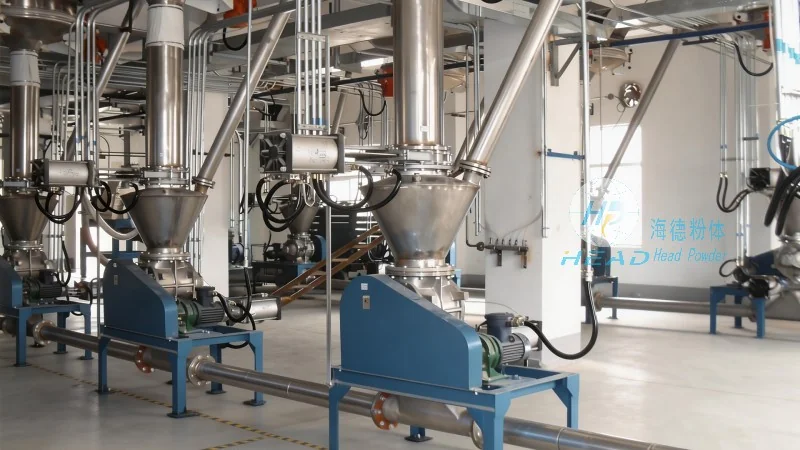
Advantages of the Glucose Powder Pneumatic Conveying System
The glucose powder pneumatic conveying system offers several advantages over traditional material handling methods. One of the key benefits is the ability to transport the material in a closed system, which prevents contamination and dust emissions. This is particularly important for glucose powder, which is a food-grade product and requires strict hygiene standards. The system also provides a high degree of flexibility, as it can be easily adjusted to handle different flow rates and material types. Additionally, the pneumatic conveying system is compact and can be installed in various locations, making it suitable for different production environments. The system is also energy-efficient compared to other methods, as it uses less power to transport the material over long distances. Finally, the system is easy to maintain and operate, with minimal downtime required for routine checks and repairs.