

What is Calcium Phosphate Pneumatic Conveying? Exploring Design Principles
Calcium phosphate is a widely used inorganic compound in various industrial applications, and its efficient handling often relies on pneumatic conveying systems. This article delves into the concept of calcium phosphate pneumatic conveying, outlining its fundamental principles and design considerations.
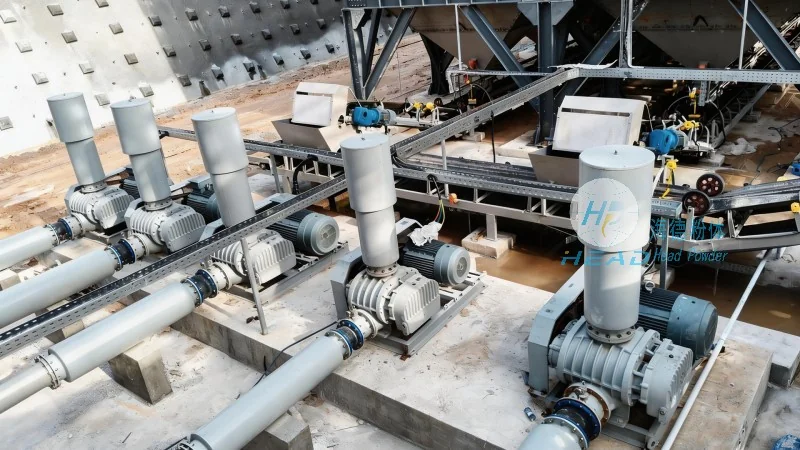
Introduction to Calcium Phosphate Pneumatic Conveying
Calcium phosphate, with the chemical formula Ca₃(PO₄)₂, is a key material in sectors such as food processing, pharmaceuticals, and agriculture. Pneumatic conveying systems are employed to transport this material from one location to another, often in bulk quantities. The process involves using air or other gases to move the solid particles through a pipeline, eliminating the need for mechanical components like belts or buckets.
Design Principles of Pneumatic Conveying Systems
The design of a calcium phosphate pneumatic conveying system is critical to ensure efficient and reliable operation. Several key principles guide the engineering process:
First, the system must consider the physical properties of calcium phosphate, including its particle size, density, and flowability. These characteristics influence the air velocity required to keep the material in suspension and prevent blockages. For instance, finer particles may require higher air velocities to maintain proper flow, while larger particles might need lower velocities to avoid excessive wear on system components.
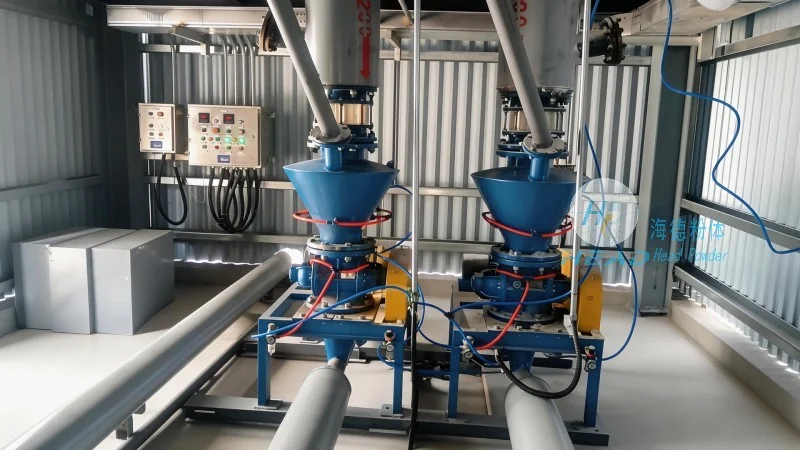
Second, the system design must address the pressure requirements. Pneumatic conveying can be categorized into two main types: dilute phase and dense phase. Dilute phase systems operate at lower pressures, typically using air to move particles at high speeds, while dense phase systems use higher pressures to push material through the pipeline in a more controlled manner. The choice between these systems depends on the application's specific needs, such as the distance to be covered and the desired material handling efficiency.
Third, the system layout and components play a vital role. Key components include the hopper (for material storage and feeding), the conveyor line (the pipeline through which material is transported), the air supply system (including compressors and filters), and the discharge equipment (for releasing the material at the destination). The design must ensure smooth material flow from the hopper to the discharge point, minimizing the risk of clogging or material degradation.
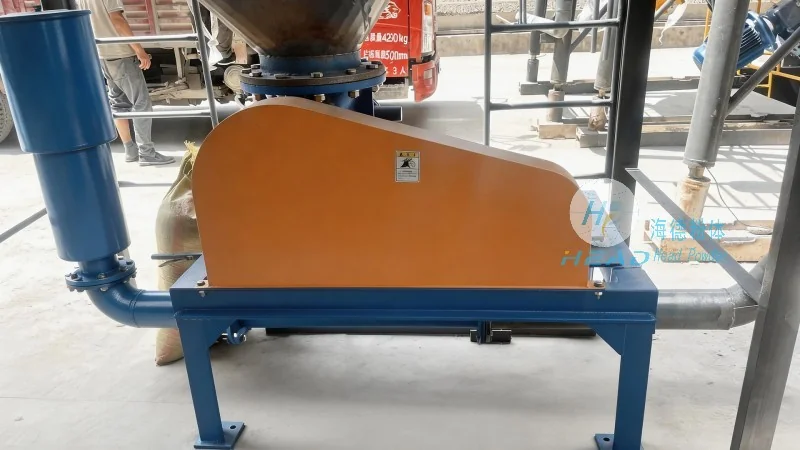
Role of Shandong HeadPowder Engineering Co., Ltd. in Pneumatic Conveying Solutions
Shandong HeadPowder Engineering Co., Ltd., a leading provider of industrial engineering solutions, specializes in designing and manufacturing pneumatic conveying systems tailored to the needs of calcium phosphate applications. The company's expertise lies in understanding the unique challenges associated with handling calcium phosphate, such as its tendency to agglomerate or its sensitivity to moisture. By leveraging advanced engineering techniques and materials, HeadPowder ensures that their systems are robust, efficient, and long-lasting.
HeadPowder's approach to system design emphasizes customization. Each project is evaluated based on the specific characteristics of the calcium phosphate being handled, the distance of transport, and the operational environment. This tailored approach ensures that the final system meets all performance requirements while minimizing operational costs. The company's commitment to quality is evident in their adherence to industry standards and rigorous testing protocols.
Conclusion
Calcium phosphate pneumatic conveying is a sophisticated process that relies on careful engineering and design. By understanding the material's properties and applying appropriate design principles, systems can effectively transport calcium phosphate while maintaining efficiency and reliability. Companies like Shandong HeadPowder Engineering Co., Ltd. play a crucial role in delivering tailored solutions that meet the demands of modern industrial applications.