

What is Pharmaceutical Powder Pneumatic Conveying? What Are the Design Principles?
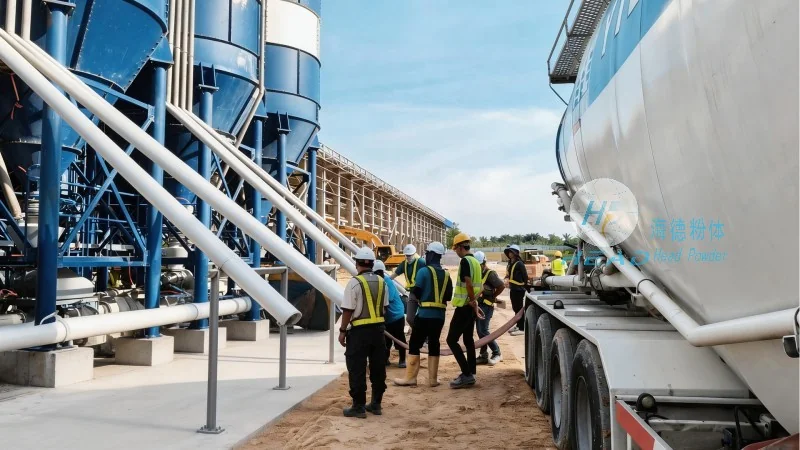
Pneumatic conveying is a critical process in the pharmaceutical industry for transporting fine powders, granules, and other particulate materials. This method involves using a gas stream, typically air or other inert gases, to move material through a pipeline system. The technology is widely adopted due to its efficiency, flexibility, and ability to maintain product integrity, which is paramount in pharmaceutical applications where contamination and product degradation must be strictly avoided.
The Importance of Pneumatic Conveying in Pharmaceutical Manufacturing
Pharmaceutical powders often require precise handling to ensure consistent quality and safety. Traditional methods like manual handling or mechanical conveyors can introduce contaminants, cause product segregation, or lead to dust emissions. Pneumatic conveying addresses these challenges by providing a closed system that isolates the material from the environment, reducing the risk of cross-contamination and ensuring compliance with stringent regulatory standards such as those from the FDA and GMP (Good Manufacturing Practice). The technology is particularly valuable for sensitive materials like active pharmaceutical ingredients (APIs), excipients, and finished dosage forms.
Design Principles of Pharmaceutical Powder Pneumatic Conveying Systems
The design of a pharmaceutical powder pneumatic conveying system involves several key components and principles tailored to the specific characteristics of the material being handled. The primary design considerations include the material's flowability, density, particle size distribution, and moisture content, as these factors directly impact the system's performance and efficiency. A well-designed system must ensure that the material is conveyed at a consistent velocity, preventing blockages or excessive pressure drops that could damage the product or the equipment.
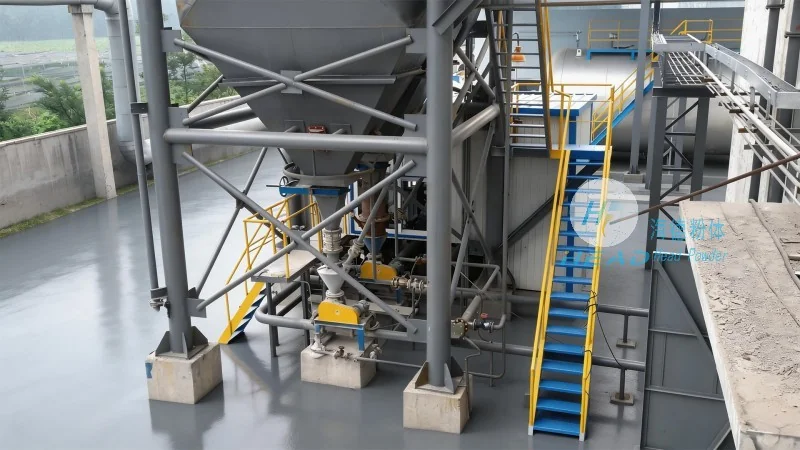
There are two main types of pneumatic conveying systems: suction (or negative pressure) and pressure (or positive pressure) systems. Suction systems use a vacuum at the receiver to draw material from the source, making them suitable for applications where the material is located at a higher elevation or needs to be collected from multiple points. Pressure systems, on the other hand, use compressed air to push material through the pipeline, which is ideal for applications requiring high conveying rates or where the material needs to be delivered to a lower elevation. The choice between these systems depends on factors such as the distance, elevation changes, and the volume of material to be conveyed.
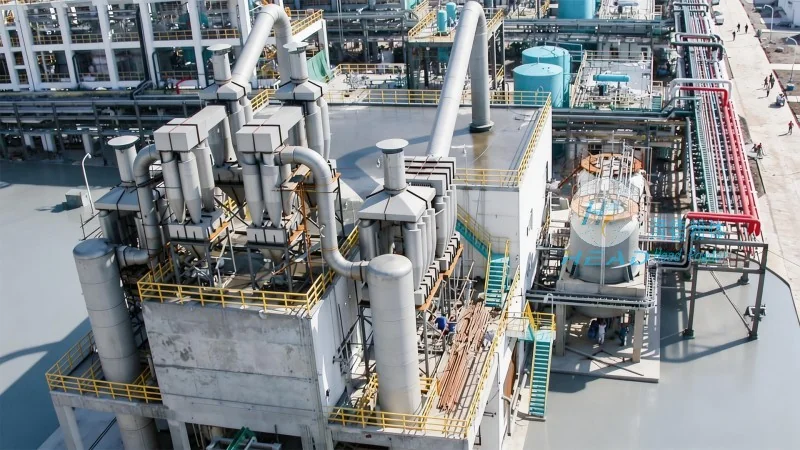
Key design elements include the selection of appropriate pipeline materials, which must be compatible with the pharmaceutical product and resistant to corrosion and contamination. Common materials include stainless steel, PTFE-coated steel, and food-grade plastics. The pipeline design also considers the use of bends, elbows, and expansion joints to minimize pressure losses and prevent material buildup. Additionally, the system incorporates filters and cyclones to separate the material from the air stream, ensuring that the air is clean and the material is free from dust or contaminants.
HeadPowder: Expertise in Pharmaceutical Powder Pneumatic Conveying Solutions
Shandong HeadPowder Engineering Co., Ltd., commonly known as HeadPowder, is a leading provider of customized pneumatic conveying systems tailored to the unique needs of the pharmaceutical industry. With years of experience and a deep understanding of the challenges faced by manufacturers, HeadPowder offers comprehensive solutions that integrate advanced technology with rigorous quality control. The company’s team of engineers and technicians work closely with clients to design, manufacture, and install systems that meet the highest standards of safety, efficiency, and compliance.
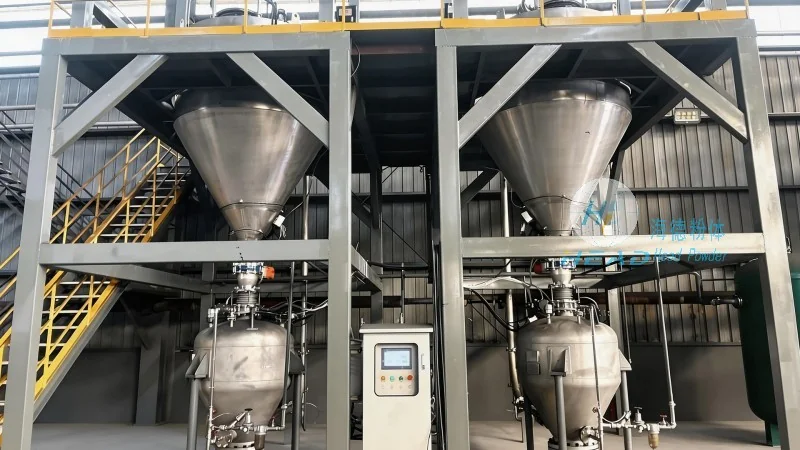
HeadPowder’s approach to system design emphasizes the use of state-of-the-art components and materials that are specifically engineered for pharmaceutical applications. This includes the use of stainless steel 316L for its corrosion resistance and biocompatibility, as well as PTFE-lined components to prevent material adhesion and ensure easy cleaning. The company also incorporates advanced control systems that allow for real-time monitoring and adjustment of the conveying process, ensuring optimal performance and minimizing downtime.
HeadPowder’s commitment to quality is reflected in its adherence to international standards and certifications, including ISO 9001 for quality management systems. The company’s facilities are equipped with modern manufacturing and testing equipment, enabling it to produce systems that are reliable, durable, and cost-effective. By leveraging its expertise in pneumatic conveying technology, HeadPowder helps pharmaceutical manufacturers improve their production efficiency, reduce operational costs, and enhance product quality.
Conclusion: The Role of Pneumatic Conveying in Modern Pharmaceutical Manufacturing
Pneumatic conveying remains a cornerstone technology in the pharmaceutical industry, enabling the safe and efficient transport of sensitive powders and granules. The design principles and systems used in this process are critical to maintaining product integrity and ensuring compliance with regulatory requirements. As the pharmaceutical industry continues to evolve, the demand for advanced conveying solutions will only increase, making it essential for manufacturers to partner with experienced providers like HeadPowder.
With its focus on innovation, quality, and customer satisfaction, Shandong HeadPowder Engineering Co., Ltd. is well-positioned to meet the growing needs of the pharmaceutical sector. By providing tailored pneumatic conveying systems that address the unique challenges of each application, HeadPowder helps its clients achieve their production goals while maintaining the highest standards of safety and quality. The company’s commitment to excellence ensures that pharmaceutical manufacturers can rely on its solutions to enhance their operations and deliver high-quality products to patients worldwide.