

Operation Process and Working Principle of Cement Raw Material Pneumatic Conveying Equipment
For industrial applications, especially in the cement production sector, efficient material handling is crucial for maintaining production efficiency and reducing operational costs. The pneumatic conveying system, specifically designed for transporting cement raw materials, plays a vital role in modern cement plants. This article delves into the detailed operation process and working principle of such equipment, highlighting its key components, operational mechanisms, and the advantages it offers in material transport. The information is presented by Shandong HeadPowder Engineering Co., Ltd., a leading manufacturer based in China, known for its expertise in engineering solutions for the cement industry.
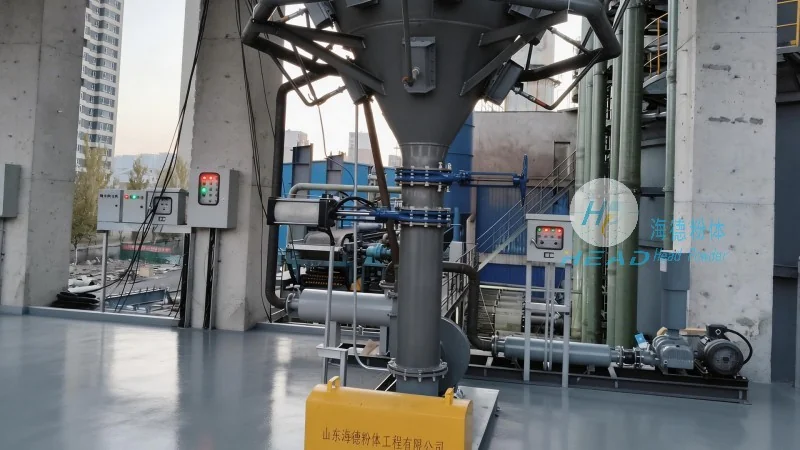
Key Components of the Pneumatic Conveying System
The pneumatic conveying machine for cement raw materials consists of several critical components that work in tandem to ensure smooth material transport. The primary components include the hopper, which serves as the material storage and feeding unit; the conveying pipeline, which transports the material under pressure; the air compressor or blower, which generates the necessary airflow; and the control system, which regulates the pressure and flow rate. Additionally, auxiliary components such as filters, silencers, and material separators may be integrated to enhance system performance and ensure safe operation. Each component is meticulously designed to handle the specific characteristics of cement raw materials, such as their particle size, moisture content, and flowability.
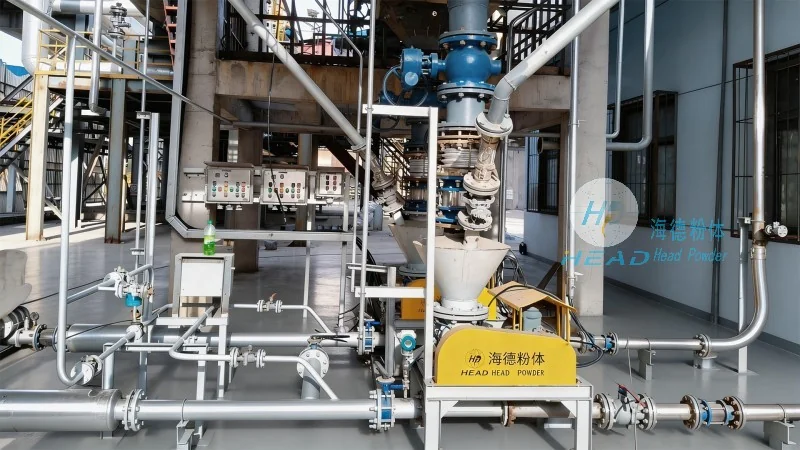
Working Principle of the Pneumatic Conveying Process
The operation of the cement raw material pneumatic conveying system follows a systematic process. Initially, the raw materials are fed into the hopper from a storage silo or other feeding equipment. The material then flows into the conveying pipeline under the influence of the air pressure generated by the compressor. The air, moving at high velocity, entrains the raw material particles, creating a slurry-like mixture that travels through the pipeline. The conveying process can be categorized into two main types: dilute phase and dense phase, each with distinct characteristics and applications. In dilute phase conveying, the material is suspended in the air stream, allowing for longer transport distances and higher flow rates. In contrast, dense phase conveying involves a higher material concentration, which is suitable for transporting sensitive materials or over longer distances with lower pressure drops. The control system continuously monitors the pressure, flow rate, and material level, adjusting the air compressor output to maintain optimal conveying conditions. This dynamic control ensures consistent material transport and prevents system blockages or inefficiencies.
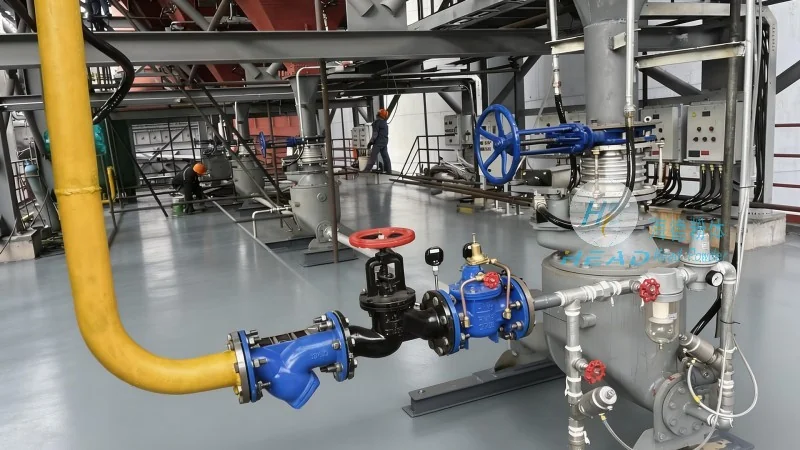
Operation Process: Step-by-Step Overview
The operation process of the cement raw material pneumatic conveying machine can be broken down into several sequential steps. First, the raw materials are loaded into the hopper, ensuring a sufficient material level for continuous feeding. The control system then activates the air compressor, which starts generating the required airflow. Simultaneously, the material feeder, often a rotary valve or screw feeder, begins to discharge the material from the hopper into the conveying pipeline. As the material enters the pipeline, it is immediately entrained by the high-velocity air stream, initiating the conveying process. The material travels through the pipeline, passing through any intermediate equipment such as filters or silencers, before reaching the discharge point. At the discharge end, the material is separated from the air using a separator, and the air is either recirculated or vented to the atmosphere. The control system continuously monitors the entire process, adjusting parameters as needed to maintain stable operation. This step-by-step operation ensures that the system operates efficiently and reliably, minimizing downtime and maximizing material throughput.
Advantages and Applications in Cement Production
The pneumatic conveying system for cement raw materials offers several advantages that make it an ideal choice for modern cement plants. One of the primary benefits is its ability to transport materials over long distances without the need for mechanical components like conveyor belts or buckets, reducing maintenance costs and increasing operational flexibility. The system also provides a dust-free environment, which enhances workplace safety and improves product quality by preventing contamination. Additionally, the system can handle a wide range of material types, including powders, granules, and even bulk materials, making it versatile for various cement production processes. The compact design of the equipment allows for easy integration into existing production lines, and the low energy consumption compared to traditional conveying methods contributes to overall cost savings. In cement production, this equipment is commonly used for transporting raw materials such as limestone, clay, and iron ore from storage silos to the grinding mills, ensuring a steady supply of raw materials for the production process.
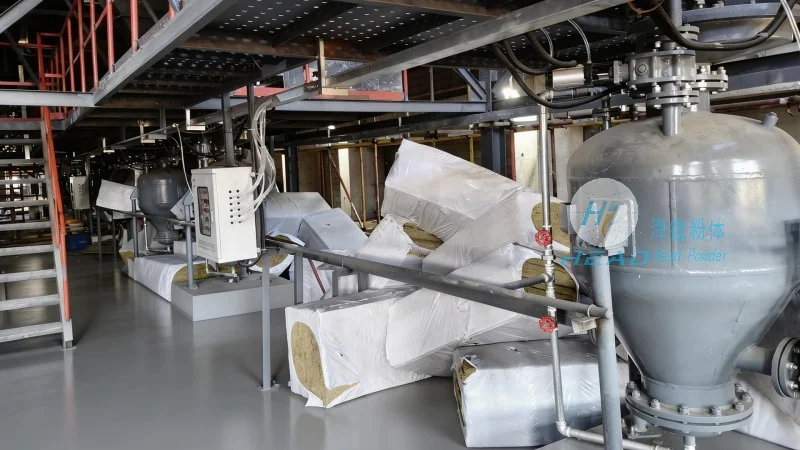
Maintenance and Operational Considerations
To ensure the long-term performance and reliability of the cement raw material pneumatic conveying system, proper maintenance and operational considerations are essential. Regular maintenance activities include inspecting and cleaning the conveying pipeline and components to prevent blockages caused by material buildup or debris. The air compressor and blower should be checked for proper functioning, including checking for air leaks and ensuring adequate lubrication. The control system should be calibrated regularly to maintain accurate pressure and flow rate measurements. Additionally, the hopper and feeding equipment should be inspected for wear and tear, and any necessary repairs or replacements should be performed promptly. Operational considerations include monitoring the material flow rate and pressure to detect any anomalies that may indicate system issues. Proper training of operators on the system's operation and maintenance is also crucial for preventing accidents and ensuring optimal performance. By adhering to these maintenance and operational guidelines, the system can operate efficiently for extended periods, minimizing downtime and maximizing its lifespan.