

What is a Sodium Hypochlorite Powder Pneumatic Conveying Line? And What Are Its Design Principles?
When it comes to handling sodium hypochlorite powder in industrial applications, the choice of a reliable and efficient conveying system is paramount. A sodium hypochlorite powder pneumatic conveying line, also known as a pneumatic conveyor system, is a specialized equipment designed to transport this chemical safely and effectively. This article will explore what such a system entails and delve into its fundamental design principles, providing insights into how it operates and why it is essential in various industrial processes.
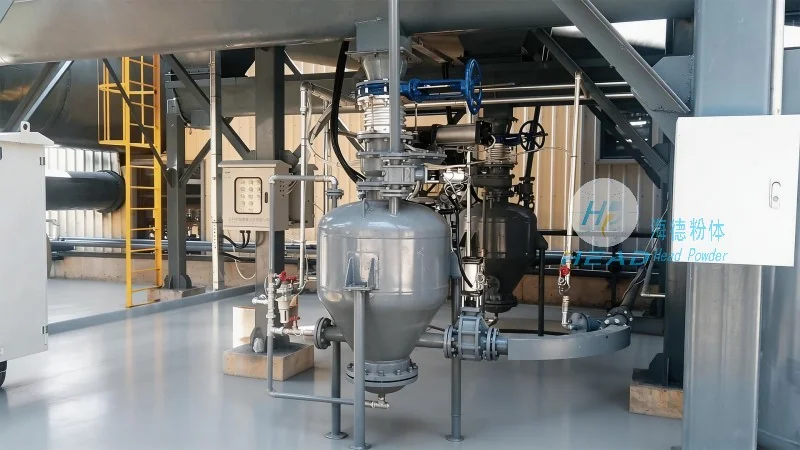
Understanding the Sodium Hypochlorite Powder Pneumatic Conveying Line
The sodium hypochlorite powder pneumatic conveying line is a closed-loop system that uses compressed air or other gas to transport dry powder materials, in this case, sodium hypochlorite. This system is particularly advantageous for handling chemicals that require controlled environments, as it minimizes exposure to air and prevents contamination. The core components of this system typically include a hopper for material storage, a conveyor line (often a pipeline), a blower or air compressor to generate the necessary airflow, and a receiver or discharge unit for the material's final destination. The entire system operates under a pressure or vacuum condition, depending on the specific conveying method used—either positive pressure (air pushing the powder) or negative pressure (air pulling the powder).
Key Design Principles of the System
The design of a sodium hypochlorite powder pneumatic conveying line is governed by several critical principles to ensure optimal performance, safety, and efficiency. First, the system must be constructed from materials that are compatible with sodium hypochlorite, which is a strong oxidizing agent. Materials like stainless steel, PTFE-coated components, or specialized corrosion-resistant alloys are commonly used to prevent chemical reactions that could degrade the system or pose safety risks. Second, the system's design must consider the properties of the powder itself, such as its particle size, moisture content, and flowability. These characteristics influence the choice of conveying velocity, pipeline diameter, and the type of air distribution to avoid issues like clogging or uneven flow. Third, safety is a paramount consideration. The system must incorporate features like explosion-proof components, pressure relief valves, and proper ventilation to mitigate risks associated with handling a hazardous chemical. Additionally, the design must adhere to industrial standards and regulations regarding chemical handling and environmental protection, ensuring compliance with local and international safety protocols.
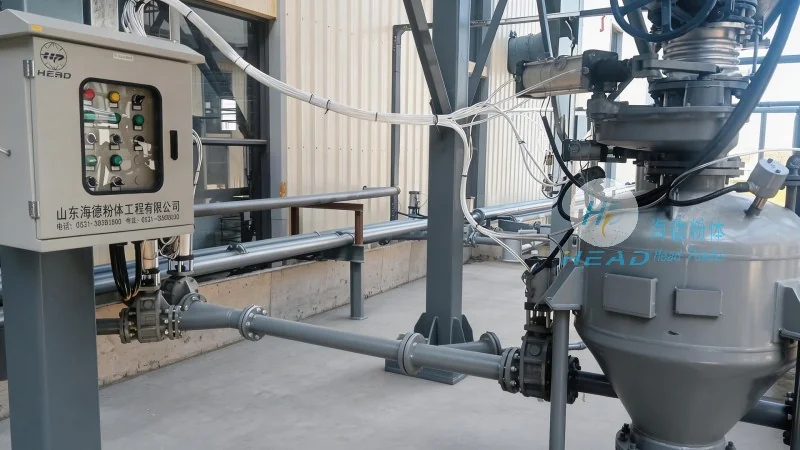
How the System Works: A Step-by-Step Overview
The operation of a sodium hypochlorite powder pneumatic conveying line involves a series of coordinated steps that ensure the smooth transport of the material. The process typically begins with the powder being fed from a hopper into the conveyor line. The blower then generates a high-velocity airflow, which is introduced into the pipeline at the hopper or along the line. As the air flows through the pipeline, it entrains the powder particles, creating a slurry-like mixture known as a "pneumatic stream." This stream is then transported to the receiver or discharge point, where the air and powder are separated. The air is either vented to the atmosphere (after filtration to remove any residual powder) or recycled back into the system, depending on the design. The separated powder is collected in the receiver and can be further processed or stored. The entire process is controlled by a system of valves, sensors, and control panels that monitor pressure, flow rate, and other parameters to maintain optimal performance and prevent system failures.
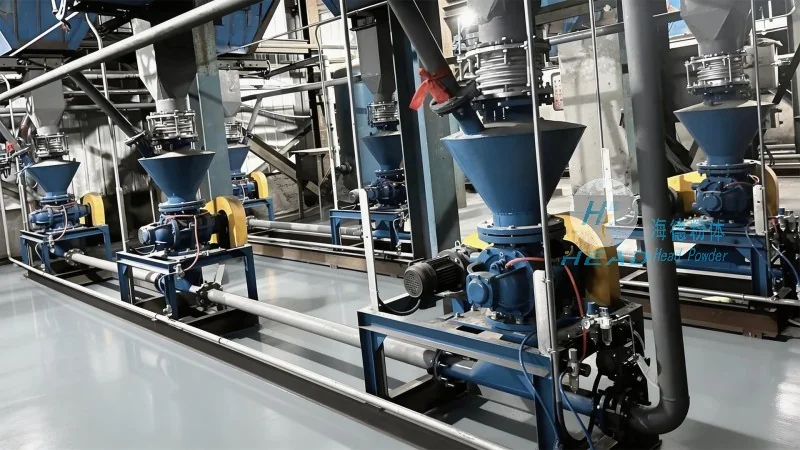
Applications and Benefits of the System
Sodium hypochlorite powder pneumatic conveying lines are widely used in various industries where sodium hypochlorite is a key chemical, including water treatment, disinfection, and industrial cleaning. The primary benefits of this system include enhanced safety due to the closed-loop design, which reduces the risk of dust exposure and chemical spills. It also improves efficiency by allowing for continuous, automated material transport, reducing labor costs and minimizing downtime. Additionally, the system's ability to handle powders with varying properties makes it versatile for different industrial needs. By maintaining a controlled environment and preventing contamination, the system ensures the quality and purity of the sodium hypochlorite, which is critical for its effectiveness in applications like water purification and disinfection.
About Shandong HeadPowder Engineering Co., Ltd.
Shandong HeadPowder Engineering Co., Ltd., commonly known as HeadPowder, is a leading manufacturer and supplier of specialized powder handling equipment, including pneumatic conveying systems for sodium hypochlorite and other chemicals. With a strong commitment to quality and innovation, HeadPowder has established itself as a trusted partner in the chemical processing industry. The company's headquarters is located in Shandong, China, where it operates a state-of-the-art manufacturing facility equipped with advanced technology and skilled engineering teams. HeadPowder specializes in designing and manufacturing customized pneumatic conveying systems tailored to the specific requirements of its clients, ensuring that each system meets the highest standards of performance, safety, and reliability. The company's products are widely used in various industries, contributing to the efficient and safe handling of chemicals worldwide.