

Operation Process and Working Principle of Sawdust and Husk Pneumatic Conveying Machines
HeadPowder, a leading manufacturer based in Shandong, China, specializes in the design and production of advanced pneumatic conveying systems tailored for transporting bulk materials such as sawdust and husk. This article delves into the operation process and underlying working principles of these efficient machines, providing a comprehensive understanding of their functionality and practical applications.
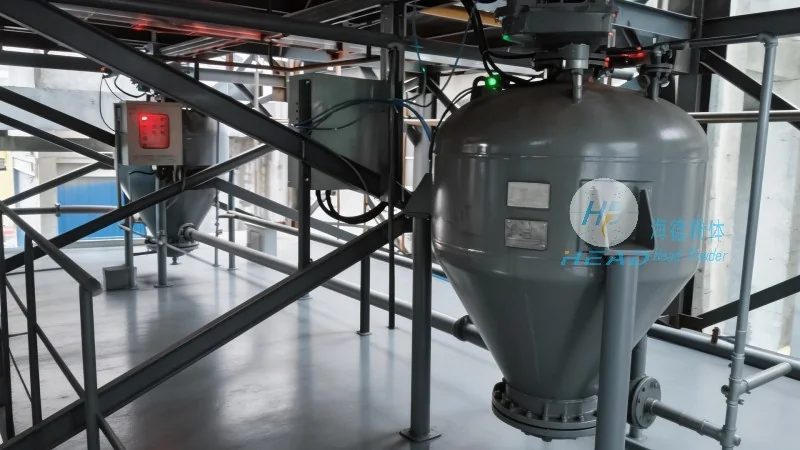
Overview of Pneumatic Conveying Systems for Sawdust and Husk
At the core of HeadPowder's solutions is the pneumatic conveying machine, a technology that utilizes air pressure to move dry bulk materials through a pipeline. These systems are particularly effective for materials like sawdust and husk, which are light, dusty, and often require gentle handling to prevent degradation or loss of quality. The design of these machines is optimized to handle the unique characteristics of these materials, ensuring reliable and efficient transport from source to destination.
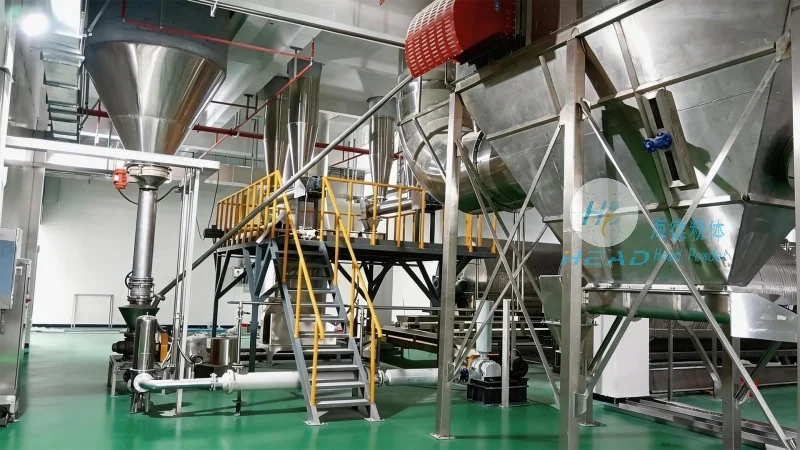
The Operation Process of Sawdust and Husk Pneumatic Conveying Machines
The operation process of a sawdust and husk pneumatic conveying machine involves several key steps, each critical to the smooth and efficient movement of the material. The process begins with the material being fed into the system, typically through a hopper or feeder that controls the flow rate. Once the material is introduced, a fan or blower generates a high-pressure air stream within the pipeline. This air stream then propels the material particles forward, carrying them through the entire conveying line. The system is equipped with various components, including inlets, outlets, and pressure regulators, to manage the flow and ensure consistent performance. The entire operation is automated, allowing for continuous and unattended operation, which is essential for industrial applications where material transport needs to be reliable and consistent.
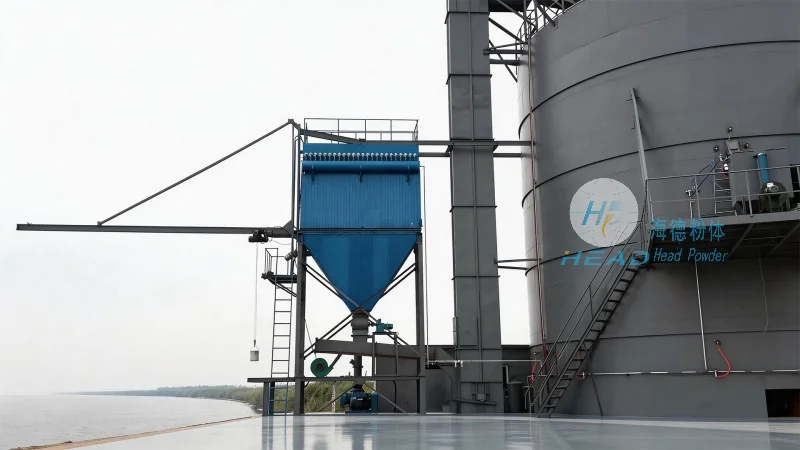
Working Principle of the Pneumatic Conveying Mechanism
The working principle of a sawdust and husk pneumatic conveying machine is based on the fundamental concept of fluidization and air movement. The machine operates by creating a pressure differential between the inlet and outlet of the conveying line. The fan or blower supplies compressed air, which is then mixed with the material in the hopper. As the air flows through the pipeline, it lifts and transports the material particles, similar to how a stream carries objects. The velocity of the air is carefully controlled to ensure that the material is conveyed without excessive pressure or friction, which could damage the particles or cause blockages. The system also includes features such as cyclones or filters to separate the material from the air at the end of the conveying line, allowing for clean material recovery and air filtration.
Key Components and Their Functions
Several key components work together to ensure the efficient operation of the sawdust and husk pneumatic conveying machine. The hopper or feeder is responsible for controlling the material feed rate, preventing overloading or underloading of the system. The fan or blower provides the necessary air pressure and flow rate to move the material. The pipeline, typically made of durable materials like stainless steel or plastic, is designed to withstand the pressure and friction of the conveying process. The inlets and outlets are strategically placed to guide the material flow and minimize pressure losses. Additionally, the system includes pressure sensors and control valves to monitor and adjust the air pressure as needed, ensuring optimal performance. These components are designed to work in harmony, providing a reliable and efficient solution for transporting sawdust and husk in various industrial settings.
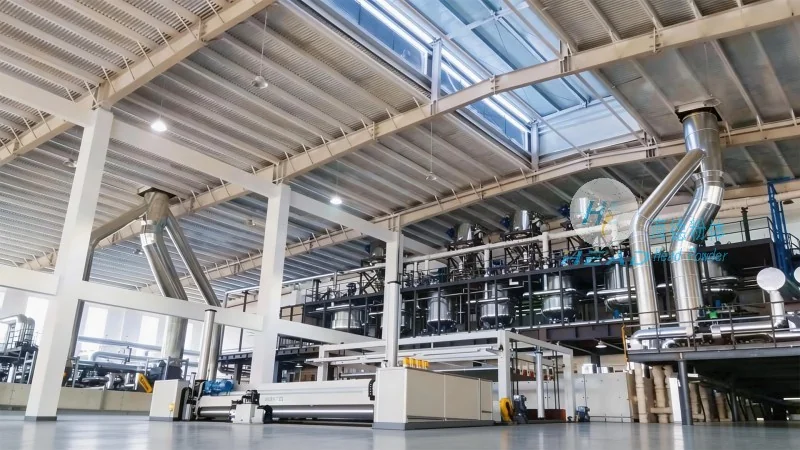
Advantages of Using Pneumatic Conveying for Sawdust and Husk
There are several advantages to using pneumatic conveying systems for sawdust and husk. One of the primary benefits is the ability to transport materials over long distances without the need for intermediate storage or handling. This reduces the risk of material degradation and loss, as the material is moved directly from the source to the destination. Additionally, the system is compact and can be installed in tight spaces, making it suitable for various industrial environments. The automated operation of the machine reduces labor costs and increases efficiency, as it can run continuously without constant monitoring. Furthermore, the system is clean and hygienic, as the material is contained within the pipeline, preventing dust and debris from contaminating the environment. These advantages make pneumatic conveying an ideal solution for industries dealing with sawdust and husk, providing a reliable and efficient method of material transport.