

Operation Process and Working Principle of Polycarbonate Pneumatic Conveying Machines
Polycarbonate pneumatic conveying machines represent a sophisticated solution for material handling in various industrial applications. These systems are designed to efficiently transport bulk materials through a pressurized air stream, offering advantages such as dust-free operation, minimal maintenance, and the ability to handle a wide range of materials. The technology behind these machines leverages the principles of fluidization and pneumatic transport to move materials from one location to another with precision and reliability.
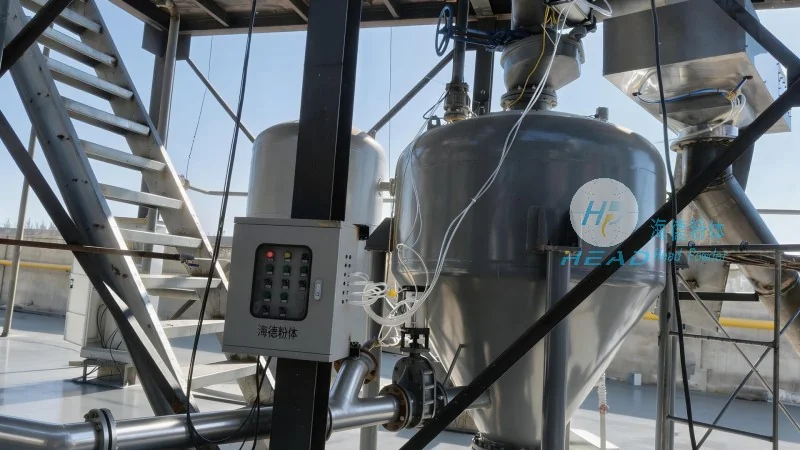
Company Overview: HeadPowder Engineering
HeadPowder Engineering, a leading manufacturer based in Shandong, China, specializes in the design, development, and production of advanced pneumatic conveying equipment. With a strong commitment to quality and innovation, the company has established itself as a trusted partner for industries requiring efficient material handling solutions. HeadPowder's expertise lies in creating customized systems tailored to specific operational needs, ensuring optimal performance and durability.
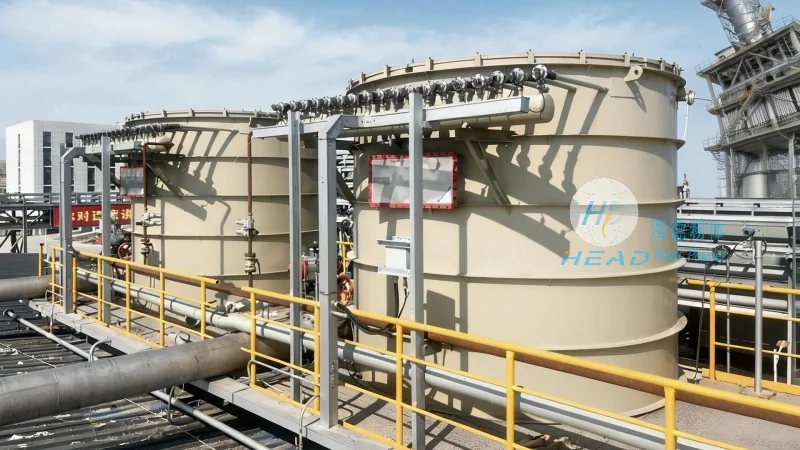
Understanding the Operation Process
The operation of a polycarbonate pneumatic conveying machine involves several key steps that ensure smooth and continuous material transport. Initially, the material is fed into the system, typically through a hopper or a feeding mechanism. The material then enters a conveying line where it is mixed with a high-velocity air stream. This air stream, generated by a blower or a compressor, creates a flow that lifts and propels the material particles through the system. The process continues as the material travels through various components, such as bends, filters, and discharge points, until it reaches its final destination.
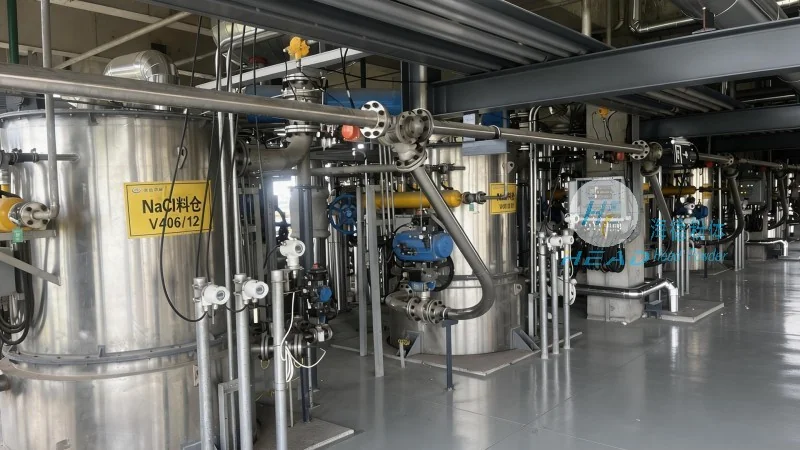
Detailed Working Principle of the System
The working principle of a polycarbonate pneumatic conveying machine is based on the interaction between the material and the air stream. The system operates under pressure, with the air moving at sufficient velocity to overcome the gravitational forces acting on the material particles. This creates a fluidized state where the particles are suspended in the air, allowing for uniform transport. The polycarbonate components, known for their durability and resistance to chemicals and abrasion, play a crucial role in maintaining the integrity of the system and ensuring long-term performance.
Key Components and Their Roles
Several critical components work in tandem to ensure the efficient operation of the polycarbonate pneumatic conveying machine. The blower or compressor is responsible for generating the necessary air pressure and flow rate. The hopper or feeder regulates the material input, preventing overloading and ensuring a steady flow. The conveying line, often made of polycarbonate or other durable materials, provides the pathway for the material and air mixture. Additionally, filters and cyclones are used to separate the material from the air, allowing for clean air discharge and material recovery. Each component is designed to withstand the operational stresses and ensure reliable performance over time.
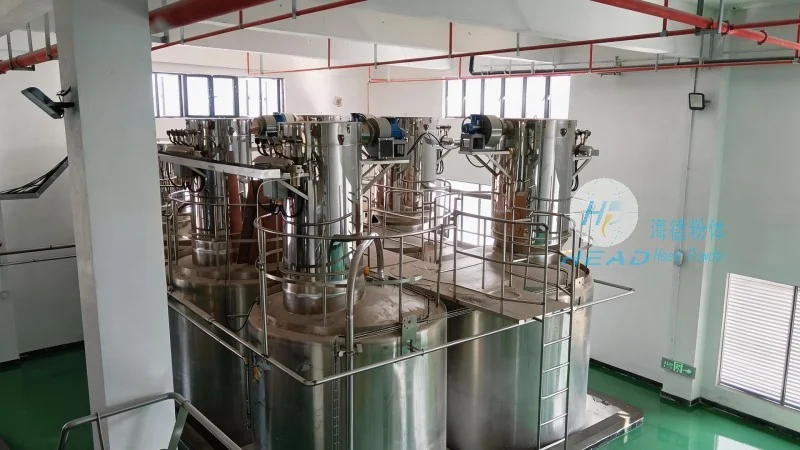
Practical Applications and Benefits
Polycarbonate pneumatic conveying machines find extensive applications across various industries, including pharmaceuticals, food processing, and chemical manufacturing. The benefits of using these systems include reduced labor costs, improved safety due to dust-free operation, and enhanced product quality through minimal material degradation. The flexibility of the system allows for easy integration into existing production lines, and the ability to handle a wide range of materials makes it a versatile solution for diverse industrial needs. By optimizing material transport processes, these machines contribute to increased productivity and operational efficiency in industrial settings.