

The Operation Process and Working Principle of White Carbon Black Powder Pneumatic Conveying Equipme
White carbon black powder pneumatic conveying machines are essential equipment in industrial settings, particularly for the efficient transport of fine powders like white carbon black. This technology leverages air as a conveying medium to move the powder from one location to another, offering advantages such as minimal product degradation, high operational efficiency, and cost-effectiveness. The system is designed to handle the unique properties of white carbon black, ensuring that the material is transported safely and reliably. This article explores the operation process and working principle of such machines, highlighting their key components and technical advantages.
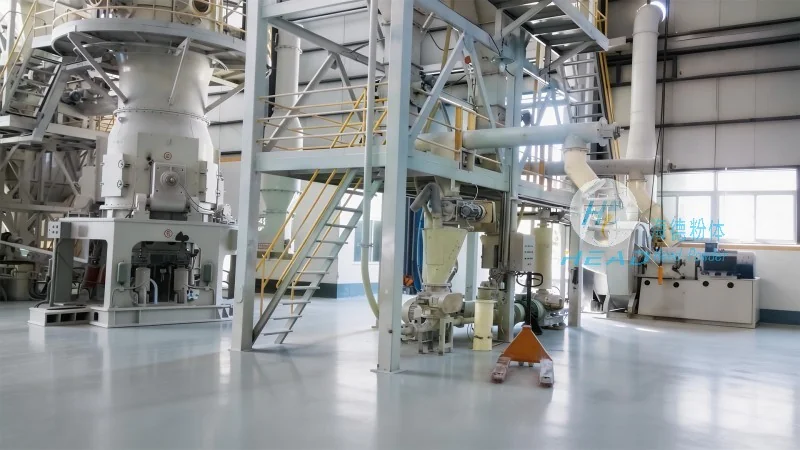
Introduction to White Carbon Black Powder Pneumatic Conveying Systems
The white carbon black powder pneumatic conveying machine is a critical piece of equipment in the industrial sector, designed to efficiently transport white carbon black powder from one location to another using air as the conveying medium. This technology is widely adopted in various industries due to its ability to handle fine powders like white carbon black with minimal product degradation and high operational efficiency. The system is engineered to ensure safe, reliable, and cost-effective material handling, making it an essential tool for manufacturers dealing with white carbon black powder. The technology has evolved over the years to meet the increasing demands of industrial production, with advancements in materials and control systems enhancing its performance and reliability.
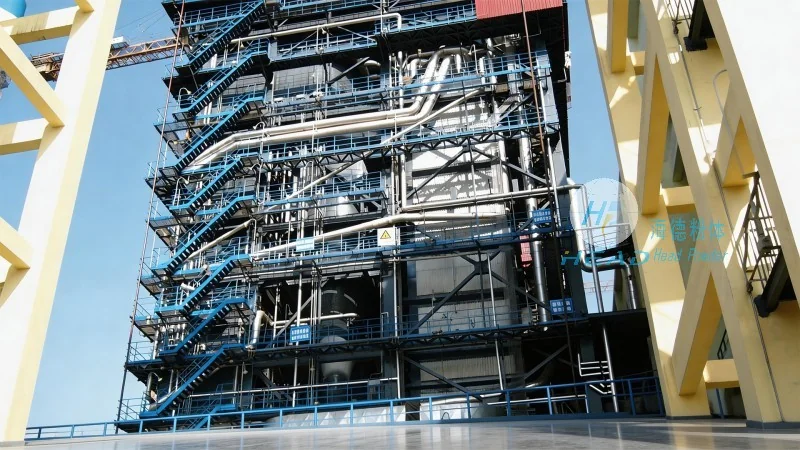
Key Components of the Pneumatic Conveying System
The pneumatic conveying system for white carbon black powder typically consists of several key components that work in tandem to achieve efficient material transport. These components include the hopper for powder storage, the air compressor or blower that generates the air flow, the conveying line (usually a pipeline), the control valves, and the discharge outlet. Each component plays a vital role in the overall operation, ensuring that the white carbon black powder is conveyed smoothly without clogging or loss of material quality. The hopper is designed to maintain a consistent powder level, while the air compressor provides the necessary pressure to move the powder through the pipeline. Control valves are used to regulate the air flow and pressure, allowing for precise control over the conveying process. The discharge outlet is where the white carbon black powder is released at the destination point. Additionally, the system may include sensors and monitoring devices to track the powder level, air pressure, and flow rate, ensuring optimal operation and preventing issues such as clogging or overloading.
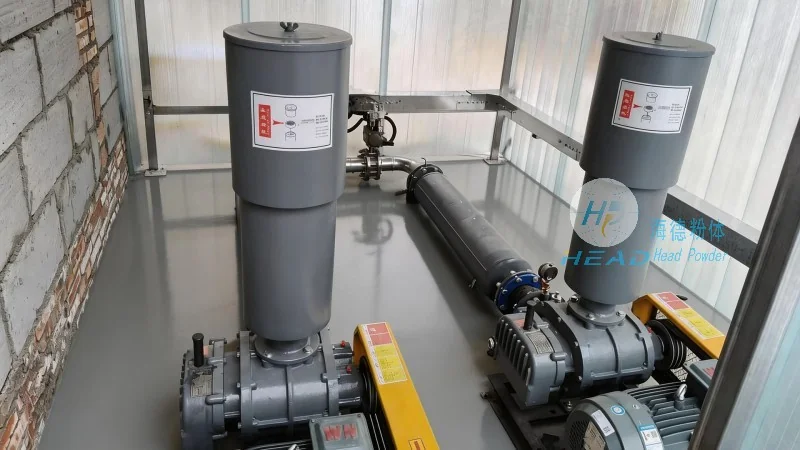
The Operation Process of the Pneumatic Conveying Machine
The operation process of the white carbon black powder pneumatic conveying machine begins with the loading of white carbon black powder into the hopper. The powder is then fed into the conveying line as air is introduced by the compressor. The air flow creates a negative pressure in the pipeline, which draws the white carbon black powder particles into the air stream. As the mixture travels through the pipeline, the powder is suspended and transported to the discharge point. The control valves are adjusted to maintain the optimal air flow rate, ensuring that the powder is conveyed at the desired speed without excessive pressure or velocity that could cause wear or degradation. The process continues until the hopper is empty or the required amount of white carbon black powder has been transported. The system is designed to be automated, with sensors and controls that monitor the powder level and air pressure to ensure smooth operation. This automation helps to reduce human error and maintain consistent performance, even during continuous operation. The entire process is controlled by a programmable logic controller (PLC) or similar system, which adjusts the air flow and powder feed rate based on real-time feedback from the sensors. This ensures that the system operates at peak efficiency, minimizing energy consumption and maximizing material throughput.
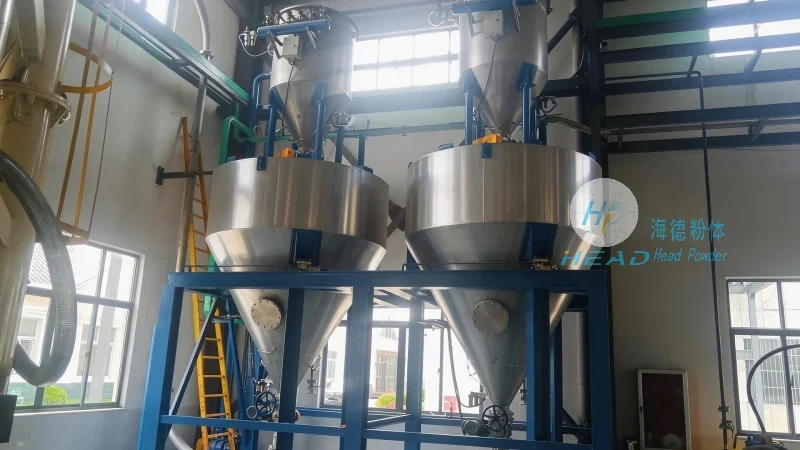
Working Principle of the Pneumatic Conveying System
The working principle of the white carbon black powder pneumatic conveying system is based on the use of air as a carrier medium to transport the powder. The system operates by creating a pressure differential between the hopper and the discharge point. The air compressor generates high-pressure air that is introduced into the conveying line, creating a flow of air that moves the white carbon black powder particles. The powder is entrained in the air stream and carried through the pipeline to the discharge outlet. The key to efficient operation is the balance between the air flow rate and the powder feed rate. If the air flow is too low, the powder may not be fully entrained and could settle in the pipeline, leading to clogging. Conversely, if the air flow is too high, the powder may be subjected to excessive velocity, causing wear on the pipeline and equipment, or even breaking down the powder particles. The system is designed to maintain this balance through precise control of the air compressor and the powder feed mechanism. The air flow rate is typically adjusted based on the particle size and density of the white carbon black powder, as well as the length and diameter of the conveying line. This ensures that the powder is transported at the optimal velocity, minimizing energy consumption and maximizing the conveying distance. The system also incorporates features such as pulse-jet cleaning to prevent clogging and maintain consistent performance over time.