HeadPowder, a leading manufacturer based in Shandong, China, specializes in the design and production of advanced pneumatic conveying systems tailored for handling rare earth crystal powders. The company's expertise lies in creating efficient and reliable equipment that ensures optimal material transport while maintaining product integrity. This article delves into the operational process and underlying principles of a rare earth crystal powder pneumatic conveying machine, highlighting the key components, working mechanisms, and the practical steps involved in its daily operation.
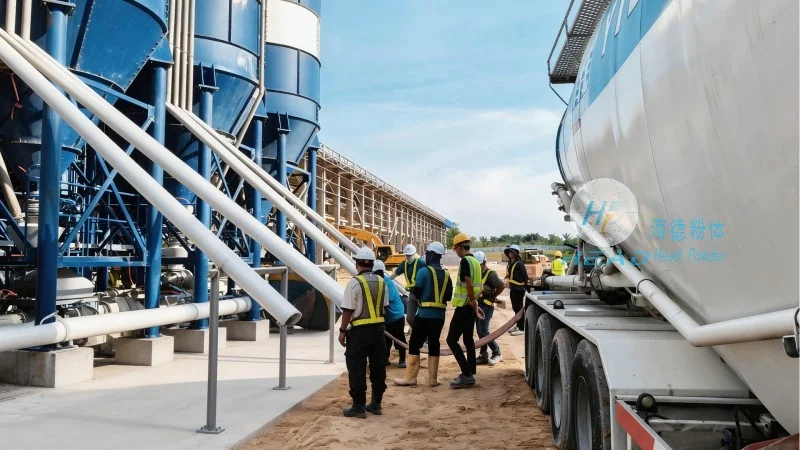
Overview of the Pneumatic Conveying System for Rare Earth Crystal Powders
The rare earth crystal powder pneumatic conveying machine is a sophisticated piece of industrial equipment designed to transport fine powders, such as rare earth compounds, through a pipeline using compressed air or other gas streams. Unlike traditional mechanical conveyors, this system operates by suspending the powder particles in a gas stream, allowing them to be moved from one location to another without direct contact with the conveying medium. The primary goal of such a system is to achieve efficient, dust-free, and low-cost material transport, which is particularly critical for handling sensitive materials like rare earth powders that are prone to agglomeration and contamination.
Key Components of the Pneumatic Conveying Machine
The rare earth crystal powder pneumatic conveying machine comprises several essential components that work in tandem to ensure smooth operation. These include the hopper, which serves as the storage and feeding unit where the powder is loaded; the air compressor or blower, which generates the necessary airflow to move the powder; the pipeline system, which forms the path for the powder and air mixture; the control valves and regulators, which manage the pressure and flow rates; and the discharge unit, where the material is deposited at the destination. Each component plays a crucial role in maintaining the system's efficiency and safety.
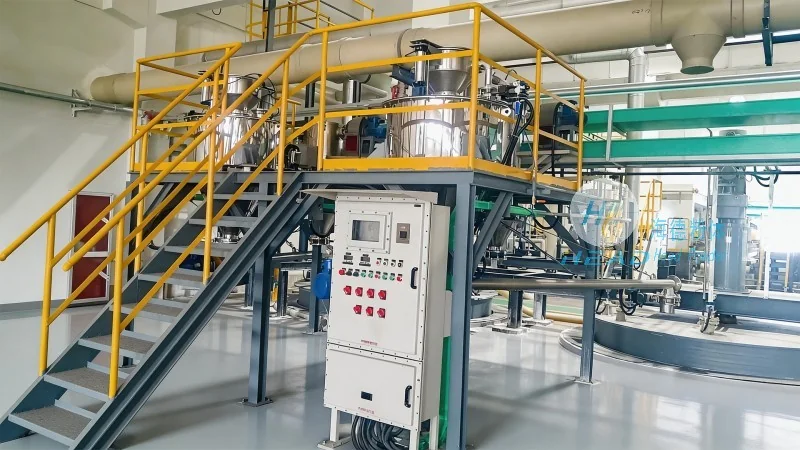
The Working Principle: From Hopper to Discharge
The operation of the rare earth crystal powder pneumatic conveying machine begins with the loading of the rare earth crystal powder into the hopper. The powder is then fed into the pipeline through a feeder, which can be a rotary valve or a star feeder, depending on the system design. Simultaneously, the air compressor starts, generating a high-pressure air stream that is introduced into the pipeline at the inlet. As the air flows through the pipeline, it creates a low-pressure zone that draws the powder particles into the air stream, forming a suspension. This suspension travels through the pipeline to the discharge point, where the air and powder are separated. The air is typically filtered and recycled, while the powder is collected in the receiving hopper or container.
Operational Steps and Process Flow
Operating the rare earth crystal powder pneumatic conveying machine involves a series of systematic steps to ensure consistent and reliable performance. The process typically starts with the preparation of the system, which includes checking the air compressor, ensuring the pipeline is clear, and verifying the proper functioning of all control valves. Once the system is ready, the powder is loaded into the hopper, and the feeder is activated to start the material flow. The air compressor is then turned on, and the pressure is adjusted to the optimal level for the specific powder characteristics. As the system operates, the pressure and flow rates are monitored continuously to maintain the desired conveying velocity. The discharge unit collects the powder, and the system continues to run until the hopper is empty or the required amount of material has been transported. After operation, the system is shut down, and the air compressor is turned off, followed by cleaning and maintenance procedures to prevent clogging and ensure longevity.
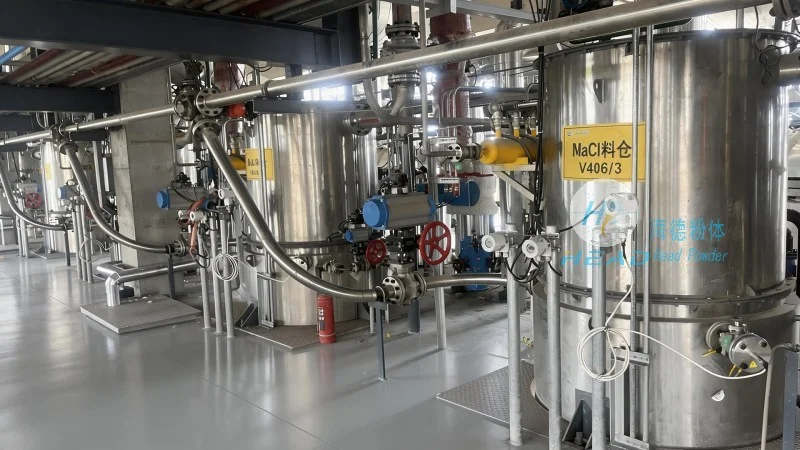
Advantages and Considerations for Rare Earth Crystal Powder Conveying
Using a pneumatic conveying machine for rare earth crystal powders offers several advantages, including the ability to handle fine and abrasive materials without causing wear and tear on the equipment. The system is also dust-free, which is crucial for maintaining a clean and safe working environment, especially when dealing with hazardous or sensitive powders. Additionally, the equipment can be designed to operate at different pressure levels, allowing for flexible conveying distances and capacities. However, there are also considerations to keep in mind, such as the need for proper air filtration to prevent dust accumulation in the system and the importance of regular maintenance to ensure optimal performance. The system's efficiency also depends on the properties of the powder, such as particle size, density, and moisture content, which must be matched with the appropriate conveying parameters.
Conclusion: The Role of HeadPowder in Pneumatic Conveying Technology
HeadPowder Engineering Co., Ltd., based in Shandong, China, is a trusted provider of high-quality pneumatic conveying systems for rare earth crystal powders. The company's commitment to innovation and precision engineering ensures that its equipment meets the highest standards of performance and reliability. By understanding the operation process and working principles of the rare earth crystal powder pneumatic conveying machine, users can optimize their material handling processes, improve efficiency, and maintain product quality. Whether for industrial production or research applications, the advanced technology offered by HeadPowder continues to set new benchmarks in the field of pneumatic conveying for fine powders.




