

Principle and Working Scene Characteristics of Nickel Powder Material Pneumatic Conveying Equipment
HeadPowder, a leading manufacturer headquartered in Shandong, China, specializes in the design and production of advanced pneumatic conveying equipment tailored for handling nickel powder and similar fine materials. This article explores the fundamental principles behind such systems and highlights the key operational scenarios where they excel.
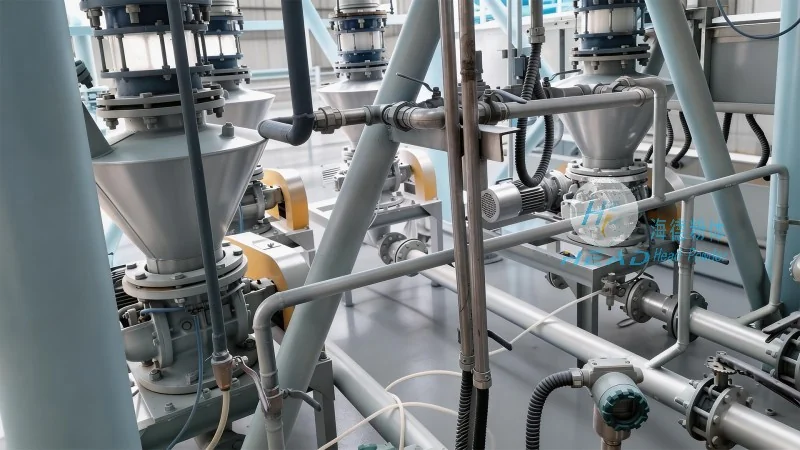
Principle of Pneumatic Conveying for Nickel Powder
Nickel powder, characterized by its fine particle size and potentially cohesive properties, requires specialized equipment to ensure efficient and reliable transport. Pneumatic conveying systems operate by utilizing air or gas as the conveying medium to move material through a network of pipes. There are two primary types of pneumatic conveying: suction (or vacuum) systems and pressure systems. Suction systems draw material from a source using a vacuum pump, while pressure systems force material through the system using a positive displacement blower or compressor. For nickel powder, the choice of system depends on factors such as the distance to be covered, the required flow rate, and the presence of other materials in the process.
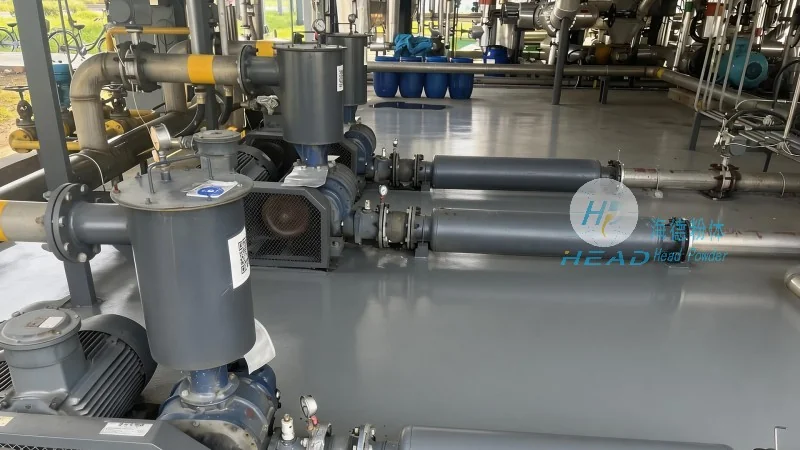
Key Working Scene Characteristics
The effectiveness of nickel powder pneumatic conveying equipment is heavily influenced by the specific working environment and application requirements. Several key characteristics define these systems in practical industrial settings:
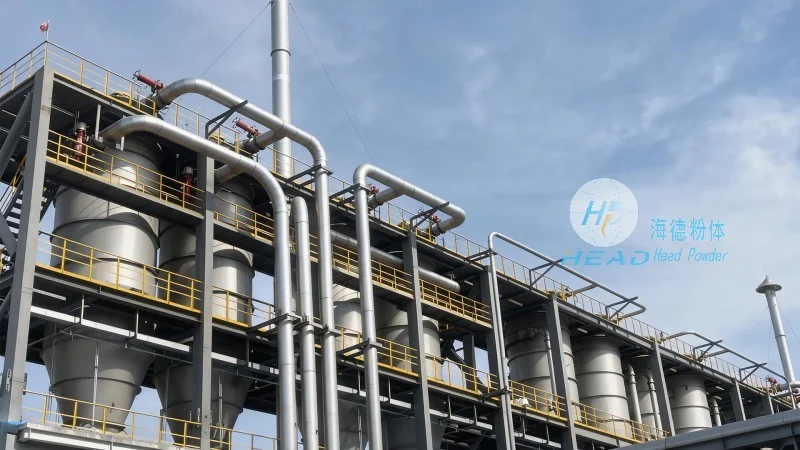
- Continuous Material Handling: In continuous production lines, such as those found in nickel processing plants, pneumatic conveyors ensure a steady flow of material from storage silos to processing equipment, minimizing downtime and maintaining consistent production rates.
- Space Efficiency: Unlike traditional mechanical conveyors (e.g., screw or belt conveyors), pneumatic systems are highly compact and can be installed in tight spaces, making them ideal for facilities with limited floor area.
- Reduced Product Contamination: By eliminating direct contact with metal components and minimizing the risk of cross-contamination, pneumatic conveying systems help preserve the purity of nickel powder, which is critical for applications in metallurgy and chemical synthesis.
- Adaptability to Varying Particle Sizes: Modern pneumatic conveying equipment can handle a wide range of particle sizes, from very fine powders to slightly larger granules, making them versatile for different stages of nickel powder processing.
Application Scenarios in Industrial Settings
HeadPowder's pneumatic conveying equipment for nickel powder is widely used in various industrial applications, including:
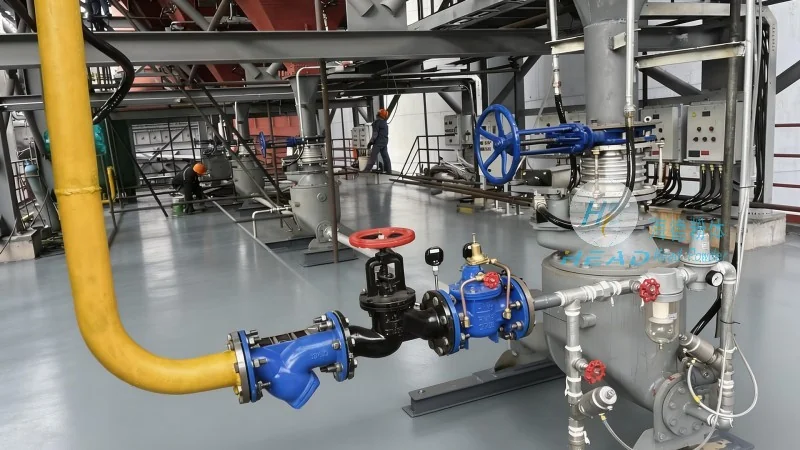
- Nickel Smelting and Refining: In the initial stages of nickel production, pneumatic conveyors transport raw nickel ore or intermediate products to furnaces and reactors, ensuring a smooth flow of material for smelting processes.
- Chemical Processing: During the synthesis of nickel-based catalysts or other chemical compounds, pneumatic systems deliver nickel powder to reactors with precise control over flow rates, maintaining the quality of the final product.
- Material Handling in Manufacturing: In manufacturing facilities that incorporate nickel powder into composite materials or coatings, pneumatic conveyors efficiently move the powder from bulk storage to mixing and application equipment.
Conclusion
HeadPowder Engineering Co., Ltd., based in Shandong, China, offers advanced pneumatic conveying solutions tailored to the unique challenges of handling nickel powder. By understanding the fundamental principles of pneumatic conveying and leveraging the specific working scene characteristics, industrial facilities can achieve efficient, reliable, and cost-effective material transport. The company's expertise in designing and manufacturing customized systems ensures that clients receive equipment optimized for their specific nickel powder processing needs.