Monosodium glutamate (MSG) powder, a common food additive, requires specialized equipment for efficient and safe material handling. The systems designed for this purpose are engineered by Shandong HeadPowder Engineering Co., Ltd. to address the unique challenges posed by the powder's physical properties, such as its fine particle size, hygroscopic nature, and potential for dust generation. Understanding the principles behind these systems and their application in various industrial settings is crucial for optimizing production processes and ensuring compliance with safety standards.
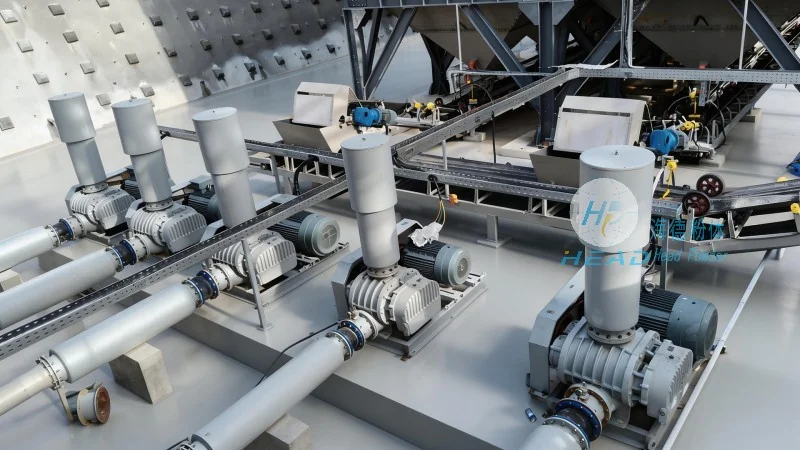
Core Principles of Monosodium Glutamate Powder Handling Systems
The fundamental principle of monosodium glutamate powder material handling systems revolves around controlling the flow, containment, and transfer of the powder while minimizing dust and maintaining product integrity. Key components typically include dust collection systems, sealed conveyor mechanisms, and material handling units that are designed to prevent contamination and ensure consistent performance. The systems are built to handle the hygroscopic properties of MSG, which can affect its flowability and storage stability. By integrating advanced engineering solutions, these systems ensure that the powder is transported efficiently from storage to processing areas without degradation or loss.
Working Scene Characteristics in Industrial Applications
In industrial settings, monosodium glutamate powder handling systems are deployed in various production environments, including food processing plants, chemical manufacturing facilities, and pharmaceutical production lines. The working scene characteristics vary based on the scale of operation, the specific requirements of the production line, and the need for automation. For instance, in large-scale food processing plants, the systems are often integrated with automated batching and mixing equipment to ensure precise dosing and consistent product quality. In smaller-scale operations, the focus may be on compact, portable units that can be easily moved between different processing stations. The working scenes also highlight the importance of maintaining a clean and controlled environment to prevent cross-contamination and ensure product safety. Additionally, the systems are designed to adapt to different operational speeds, from continuous high-volume production to intermittent batch processing, making them versatile for diverse industrial needs.
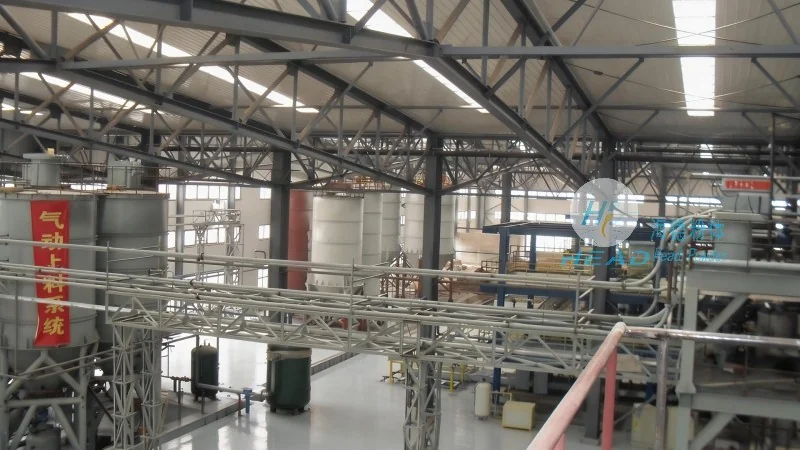
Key Features and Advantages of the Equipment
The equipment used in monosodium glutamate powder handling systems offers several advantages that enhance operational efficiency and product quality. One of the primary features is the use of sealed and enclosed conveyor systems, which effectively contain dust and prevent exposure to the environment. This not only improves workplace safety but also maintains the purity of the powder, which is critical for food applications. Another key feature is the integration of dust collection and filtration systems, which capture and remove airborne particles, reducing the risk of inhalation hazards and environmental contamination. The systems also incorporate material flow control mechanisms, such as rotary valves and feeders, that regulate the flow of the powder to prevent clogging and ensure smooth operation. These features collectively contribute to a more reliable and efficient material handling process, reducing downtime and maintenance costs.
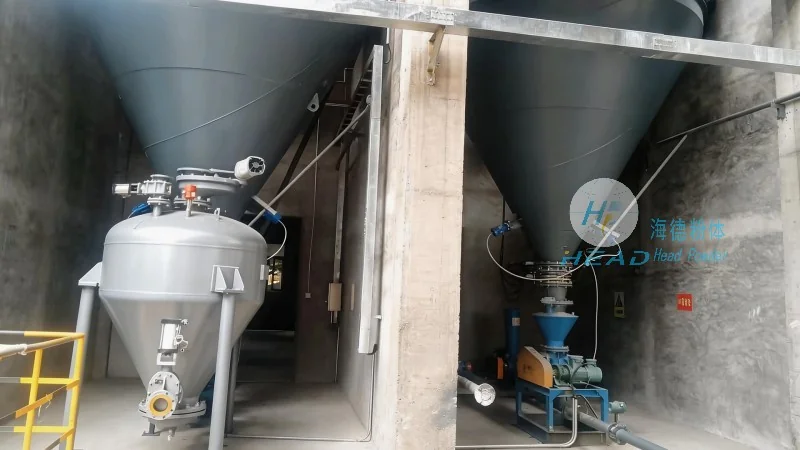
Application Examples and Operational Scenarios
Real-world applications of monosodium glutamate powder handling systems can be observed in different industrial scenarios. For example, in a food processing plant, the system may be used to transfer MSG from bulk storage silos to mixing tanks, where it is blended with other ingredients to create flavor-enhanced products. The system ensures that the powder is delivered in precise quantities, maintaining the consistency of the final product. In a chemical manufacturing facility, the equipment may be used to handle MSG as a raw material for the production of other chemical compounds, where the controlled flow and containment are essential to prevent reactions with moisture or other substances. Additionally, in pharmaceutical production, the systems are used to handle MSG as an excipient in drug formulations, where the strict purity and contamination control requirements are paramount. These operational scenarios demonstrate the versatility and adaptability of the equipment, making it suitable for a wide range of industrial applications.
Conclusion and Industry Standards
In conclusion, monosodium glutamate powder material handling systems are essential components in industrial operations that require the efficient and safe handling of this common food additive. The principles behind these systems, combined with their working scene characteristics, ensure that the powder is managed in a way that maintains its quality, safety, and flowability. The equipment used in these systems is designed to meet industry standards for dust control, containment, and operational efficiency, providing reliable performance in diverse production environments. As the demand for MSG and other similar powders continues to grow, the importance of advanced material handling systems will only increase, supporting the needs of various industries and ensuring consistent product quality.




