

Principle and Working Scene Characteristics of Coal Fly Ash Material Handling System Equipment
Coal fly ash, a byproduct of coal combustion in thermal power plants, presents unique challenges in handling and transportation due to its fine particle size and abrasive properties. The development of specialized material handling systems has become essential for efficient and safe management of this material. This article examines the fundamental principles of coal fly ash material handling equipment and highlights key characteristics of its operational scenarios.
Core Principles of Coal Fly Ash Material Handling Equipment
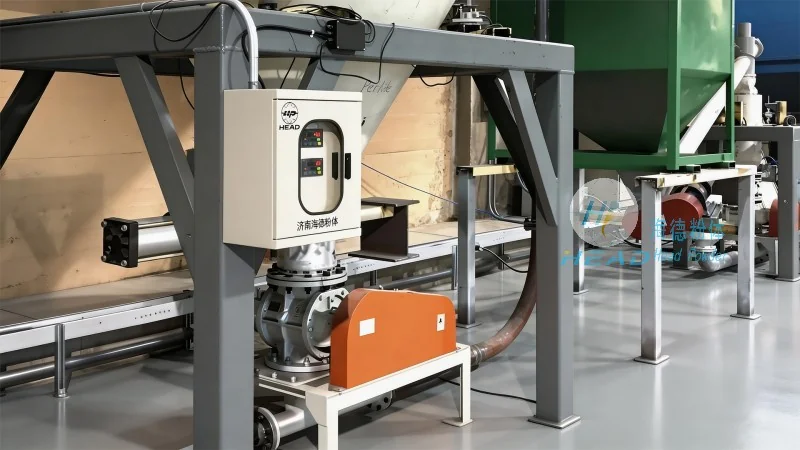
The coal fly ash material handling system typically consists of several critical components tailored to address the unique properties of fly ash. These components include feeders, conveyors, storage silos, and control systems. Feeders are responsible for uniformly feeding the fly ash into the conveyor system, ensuring consistent material flow. Belt conveyors, screw conveyors, and pneumatic conveyors are commonly employed based on the specific application requirements. Storage silos are used to temporarily store the fly ash, providing a buffer for downstream processing or disposal. Control systems integrate sensors and automation technologies to monitor and regulate the entire process, enhancing operational efficiency and safety.
Working Scene Characteristics of Coal Fly Ash Material Handling Systems
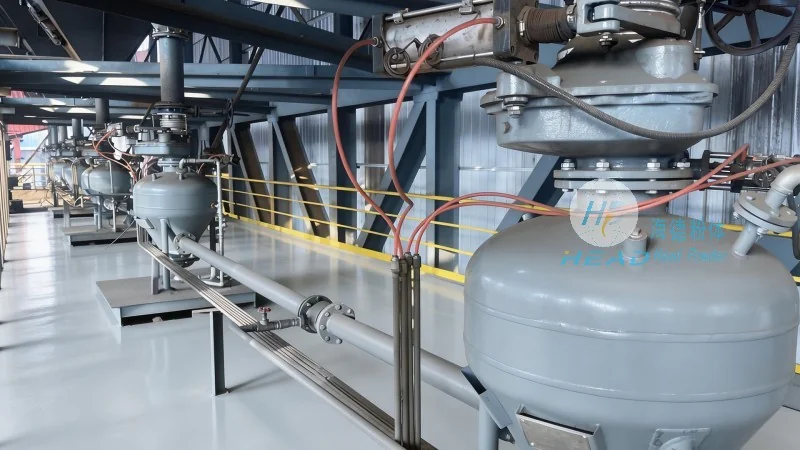
The operational scenarios of coal fly ash material handling systems vary significantly depending on the industrial application and site conditions. In thermal power plants, these systems are integrated into the overall ash management infrastructure, working in tandem with boiler operations and ash disposal facilities. The systems are designed to handle large volumes of fly ash in continuous operation mode to meet the high throughput demands of power generation. In industrial applications such as cement production or construction material manufacturing, the systems may be utilized to supply fly ash as a raw material, requiring precise control over material quality and flow rates. Environmental considerations also play a crucial role in system design, with features like dust suppression and emission control integrated to minimize environmental impact. The working scenes may involve both indoor and outdoor operations, with equipment adapted to withstand varying weather conditions and operational pressures.
Key Features and Advantages in Operational Scenarios
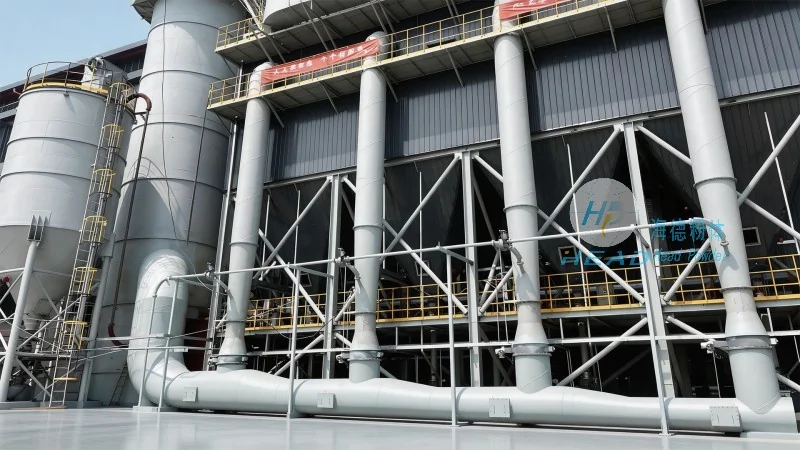
Several key features define the effectiveness of coal fly ash material handling systems in their respective working scenes. Firstly, the systems are engineered for high efficiency, enabling the handling of large quantities of fly ash with minimal downtime. This is achieved through robust construction materials and advanced drive mechanisms that ensure consistent performance under heavy loads. Secondly, the systems offer high reliability, with built-in safety features such as overload protection and emergency stop mechanisms to prevent accidents and equipment damage. Thirdly, the systems provide flexibility in application, allowing adaptation to different operational requirements through modular designs and customizable components. For instance, conveyor speed and capacity can be adjusted based on processing needs, ensuring optimal performance in diverse working environments. Additionally, the systems are designed for easy maintenance, with accessible components and diagnostic tools that facilitate quick troubleshooting and repairs, reducing operational interruptions.
Conclusion: The Importance of Specialized Material Handling Solutions
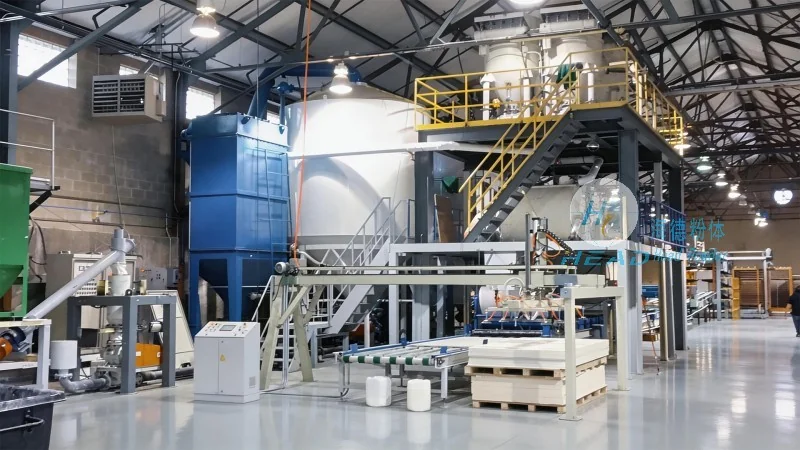
In conclusion, the coal fly ash material handling system is a critical component in the management of coal combustion byproducts, ensuring efficient and safe handling across various industrial applications. The underlying principles of these systems, combined with their operational characteristics tailored to specific working scenes, contribute to their effectiveness in addressing the challenges posed by fly ash. As industries continue to seek sustainable solutions for waste management, the development and application of advanced material handling technologies will remain essential. The systems not only enhance operational efficiency but also contribute to environmental protection by ensuring proper handling and disposal of fly ash, aligning with global sustainability goals.