For agricultural and feed processing operations, efficient and reliable material handling is crucial. Soybean feed, a key component in animal nutrition, requires specialized equipment to ensure safe and effective transport from storage to processing facilities. Pneumatic conveying technology offers a solution that minimizes contamination, reduces labor costs, and enhances overall operational efficiency. This article explores the two primary types of pneumatic conveying systems—negative pressure and positive pressure—and their applications in soybean feed handling, with a focus on the technical aspects and practical implementations.
Understanding Negative Pressure Pneumatic Conveying
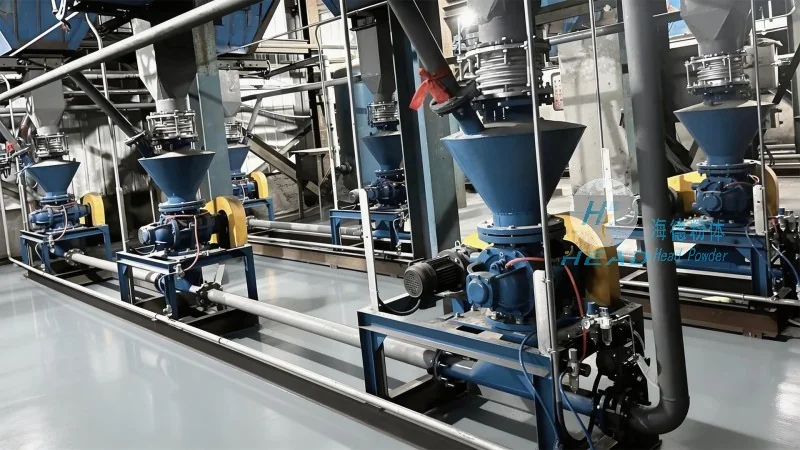
Negative pressure, or vacuum, pneumatic conveying systems operate by creating a lower pressure inside the conveying line compared to the ambient environment. This draws material from the source into the system using a vacuum pump. In the context of soybean feed, this method is particularly effective for conveying materials from silos or storage bins to processing equipment. The system typically includes a hopper, a vacuum pump, and a conveying line that connects the source to the destination. The negative pressure ensures that the material is drawn in without the need for mechanical feeders, which can be beneficial for handling fine or dusty materials like soybean meal. The design of the hopper and the placement of the vacuum inlet are critical to achieving consistent flow and preventing blockages. Companies like Shandong HeadPowder Engineering Co., Ltd. specialize in designing such systems, ensuring that the equipment meets the specific requirements of soybean feed processing, including considerations for material moisture content and particle size.
Positive Pressure Pneumatic Conveying Systems
Conversely, positive pressure systems generate higher pressure inside the conveying line than the surrounding environment. Compressed air or gas is used to push the material through the system. For soybean feed, positive pressure is often preferred when the material needs to be conveyed over longer distances or through complex piping networks. The system typically includes a blower, a material feed hopper, and a pressure line that transports the material to the destination. Positive pressure systems are generally more robust and can handle a wider range of material types, including bulkier or more abrasive feed components. They are also suitable for applications where the feed needs to be mixed with other ingredients or processed further. The choice between negative and positive pressure depends on factors such as the distance between the source and destination, the material characteristics, and the overall system layout. Shandong HeadPowder Engineering Co., Ltd. provides customized solutions that optimize the performance of both system types for soybean feed applications.
Key Technical Considerations for Pneumatic Conveying
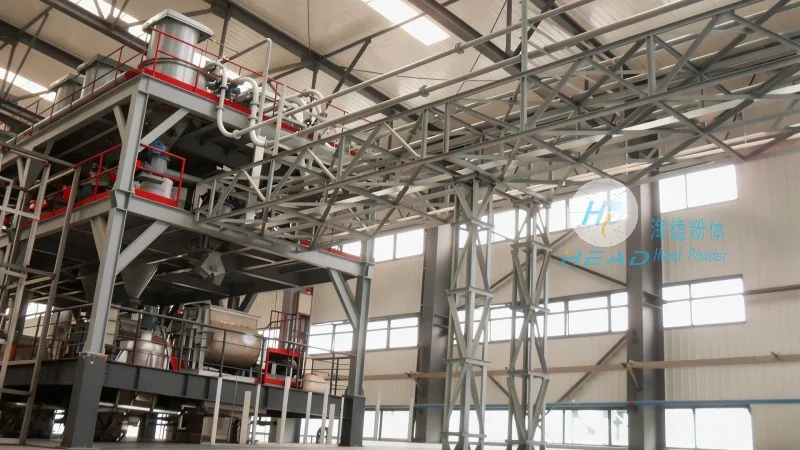
When implementing pneumatic conveying systems for soybean feed, several technical factors must be considered to ensure optimal performance and longevity. First, the material's properties, such as particle size, moisture content, and flowability, directly impact the system's design. Soybean feed often consists of fine particles that can cause clogging if not properly handled. Therefore, the selection of the hopper design, including the use of vibrators or air knives, is essential to maintain consistent material flow. Second, the system's pressure and flow rates must be carefully calibrated to match the feed's characteristics. Overpressurization can lead to excessive wear on components and increased energy consumption, while underpressurization may result in incomplete material transfer. Third, the choice of materials for the conveying line and components is critical. Stainless steel is commonly used due to its resistance to corrosion and abrasion, which is important for handling soybean feed that may contain moisture or be abrasive. Additionally, the system's maintenance requirements should be considered, as regular cleaning and inspection are necessary to prevent material buildup and ensure long-term reliability.
Applications and Benefits in Soybean Feed Processing
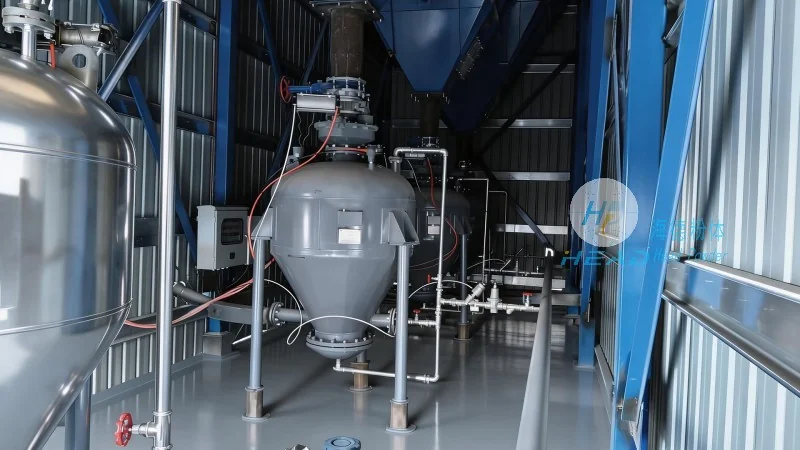
Pneumatic conveying systems are widely used in soybean feed processing for various applications. One common use is the transfer of soybean meal from storage silos to mixing or grinding equipment. This process requires a system that can handle fine particles and maintain a consistent flow rate to ensure uniform mixing. Negative pressure systems are often used for this application because they can draw material from multiple silos without the need for separate feeders at each source. Another application is the transport of soybean feed from the processing line to packaging or storage facilities. Positive pressure systems are typically used here, especially when the distance is significant or the system needs to integrate with other processing equipment. The benefits of pneumatic conveying in these applications include reduced labor costs, as manual handling is minimized, and improved product quality, as the material is less exposed to contamination from the environment. Furthermore, the systems are energy-efficient compared to traditional belt or bucket elevators, making them a cost-effective solution for soybean feed handling.
Customization and Integration by Shandong HeadPowder Engineering Co., Ltd.
Shandong HeadPowder Engineering Co., Ltd. specializes in designing and manufacturing customized pneumatic conveying systems tailored to the specific needs of soybean feed processing facilities. The company's expertise lies in understanding the unique challenges of handling soybean feed, such as its fine particle size and potential for moisture absorption. By working closely with clients, the company can design systems that optimize material flow, minimize downtime, and reduce maintenance costs. The company's solutions often integrate with existing processing equipment, ensuring seamless operation and minimal disruption to the production line. For example, a negative pressure system may be designed to handle soybean meal from multiple storage bins, while a positive pressure system is used to transport the final feed product to packaging. The company also provides after-sales support, including maintenance services and technical assistance, to ensure that the systems continue to operate efficiently over the long term. By focusing on the technical details and practical applications, Shandong HeadPowder Engineering Co., Ltd. helps feed processing facilities achieve higher productivity and better product quality.




