Intermittent powder handling systems are specialized equipment designed to transport bulk powders in a controlled, non-continuous manner. These systems are essential in industries where precise material control and safety are paramount. This article explores the fundamental principles behind such systems and highlights the key working scene characteristics that define their application.
Introduction to Intermittent Powder Handling Systems
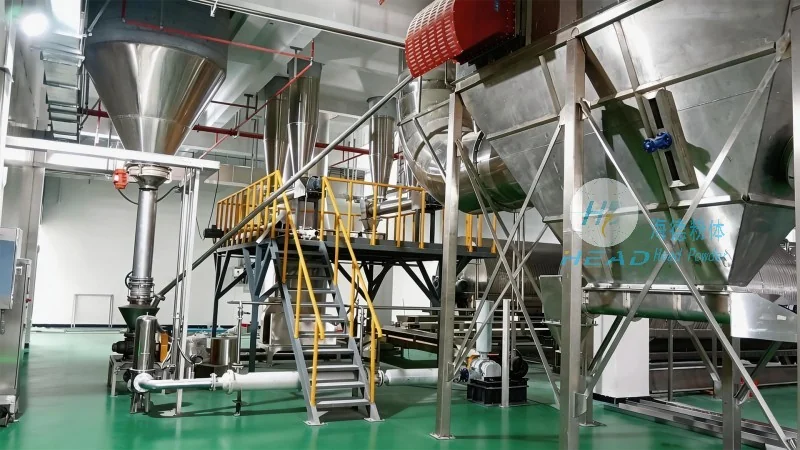
Intermittent powder handling systems, also known as batch or intermittent feed systems, are engineered to move powders in discrete batches rather than continuously. This approach offers several advantages, including improved process control, reduced material waste, and enhanced safety by minimizing the risk of overloading or underloading. The technology behind these systems integrates mechanical, pneumatic, or hydraulic components to achieve precise material transfer, making them suitable for a wide range of industrial applications.
Company Overview: HeadPowder
HeadPowder, or Shandong HeadPowder Engineering Co., Ltd., is a leading manufacturer of powder handling solutions based in Shandong, China. With a strong commitment to innovation and quality, the company specializes in designing and producing advanced intermittent powder handling equipment tailored to meet the diverse needs of various industries. HeadPowder's products are known for their reliability, efficiency, and compliance with international safety standards, establishing the company as a trusted partner in the powder handling sector.
The Principle of Intermittent Powder Handling Equipment
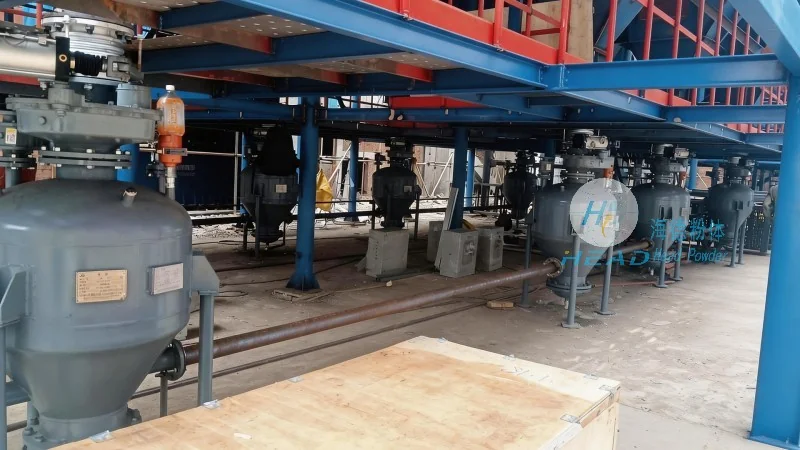
The core principle of intermittent powder handling systems revolves around the controlled movement of powders using a combination of pressure, vacuum, or mechanical force. The equipment typically consists of a hopper, a feeder, and a conveying mechanism that operates in cycles. The process begins with the material being loaded into the hopper, followed by the activation of the feeder to release a measured amount of powder into the conveying line. This cycle repeats until the desired quantity is transferred, ensuring consistent and accurate material delivery. The system's design allows for precise control over the flow rate and batch size, which is critical for applications requiring tight process parameters.
Working Scene Characteristics of Intermittent Powder Handling Systems
The working scene characteristics of intermittent powder handling systems are tailored to optimize performance in specific industrial environments. These systems are commonly used in pharmaceutical, food processing, chemical, and mining industries, where the handling of sensitive or hazardous powders demands high levels of precision and safety. Key characteristics include:
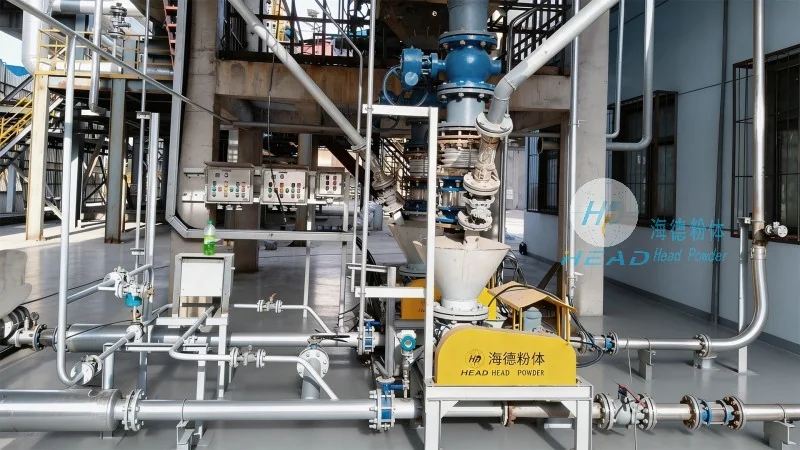
- Batch Control: The ability to handle powders in defined batches, allowing for accurate dosing and reducing the risk of contamination or material loss.
- Low Maintenance: Designed with durable components that minimize downtime and maintenance requirements, ensuring continuous operation in demanding production environments.
- Adaptability: Flexible systems that can be configured to handle a variety of powder types, from fine powders to bulk materials, with minimal adjustments.
- Safety Features: Integrated safety mechanisms, such as overload protection and dust containment systems, to prevent accidents and ensure compliance with regulatory standards.
Applications and Industry Impact
Intermittent powder handling systems play a vital role in modern industrial operations by enabling efficient and safe material transfer. In the pharmaceutical industry, for example, these systems are used to handle active pharmaceutical ingredients (APIs) and excipients with high precision, ensuring consistent product quality. In the food industry, they facilitate the handling of powders like flour, sugar, and spices, maintaining hygiene and preventing cross-contamination. The chemical industry benefits from the ability to handle reactive or hazardous powders in controlled batches, reducing the risk of accidents and improving process safety. Overall, the adoption of intermittent powder handling systems enhances productivity, reduces operational costs, and improves product quality across various sectors.
Conclusion
Intermittent powder handling systems represent a sophisticated solution for the controlled transfer of bulk powders, offering significant advantages in terms of precision, safety, and efficiency. Manufactured by companies like Shandong HeadPowder Engineering Co., Ltd., these systems are designed to meet the specific demands of diverse industrial applications. By understanding the principles and working scene characteristics of such equipment, industries can optimize their material handling processes, leading to improved productivity and enhanced safety standards.




