Understanding the principles and operational characteristics of a sodium fluosilicate pneumatic conveying system is crucial for industries that rely on efficient material handling solutions. This article delves into the technical foundation of such systems and explores the specific scenarios where they excel in performance.
Introduction to Sodium Fluosilicate and Pneumatic Conveying
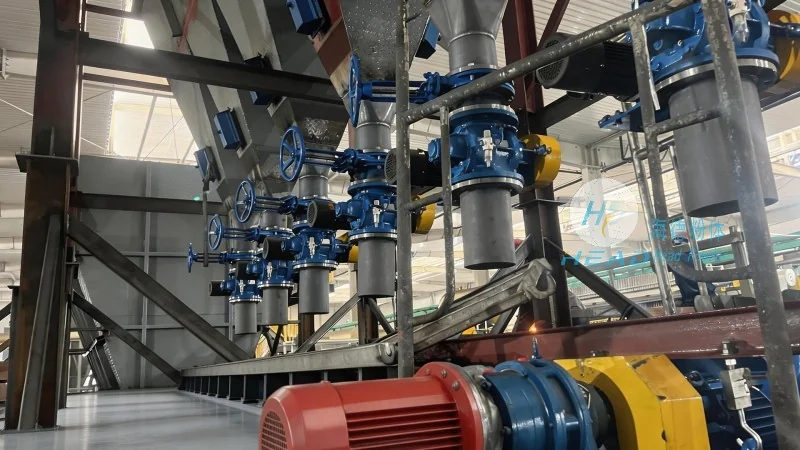
Sodium fluosilicate, a chemical compound widely used in various industrial applications, often requires specialized handling due to its properties. Pneumatic conveying systems offer a non-contact, dust-free method to transport this material, making them ideal for environments where traditional belt or bucket elevators may not be suitable. The system's design and operation are tailored to the unique characteristics of sodium fluosilicate, ensuring safe and efficient material transfer.
The Core Principle of Pneumatic Conveying
The fundamental principle of a pneumatic conveying system involves the use of air or gas to move solid particles through a pipeline. In the case of sodium fluosilicate, the system typically operates under either positive pressure (pressure conveying) or negative pressure (suction conveying). Positive pressure systems force air through the pipeline, pushing the material along, while negative pressure systems create a vacuum to draw the material into the line. The choice between these methods depends on factors like the distance, material characteristics, and system layout. For sodium fluosilicate, which can be abrasive or have specific flow properties, the system is engineered to maintain consistent air flow and particle velocity to prevent clogging or degradation of the material.
Key Components and Their Functions
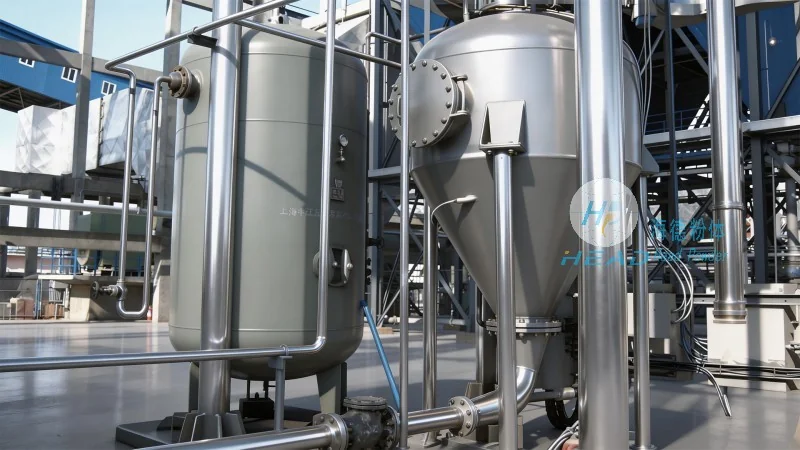
A sodium fluosilicate pneumatic conveying system consists of several critical components, each playing a vital role in the overall operation. The primary components include the material feed hopper, which holds the sodium fluosilicate and regulates the flow into the system; the conveyor line, which is the pipeline through which the material and air travel; the air supply unit, which generates the necessary pressure or vacuum; and the control system, which monitors and adjusts the flow rates to maintain optimal performance. Additionally, the system may include filters and cyclones to separate the material from the air at the discharge point, ensuring that the material is delivered to the target location without contamination. The design of these components is crucial for handling sodium fluosilicate, as the material's chemical properties require materials that are resistant to corrosion and wear.
Working Scenario Characteristics: Applications and Performance
The working scenario characteristics of a sodium fluosilicate pneumatic conveying system are defined by its adaptability to various industrial environments and operational demands. One key scenario is in the chemical manufacturing industry, where sodium fluosilicate is used as a raw material for producing other chemicals. The system's ability to handle the material in a dust-free manner is particularly important here, as it prevents contamination of other products and maintains a safe working environment. Another scenario is in the construction industry, where sodium fluosilicate is used as a component in concrete and mortar. The system's efficiency in transporting the material to mixing sites ensures that construction projects can proceed without delays due to material shortages. Furthermore, the system's scalability allows it to be used in both small-scale laboratory applications and large-scale industrial plants, making it a versatile solution for different production needs. The performance of the system is measured by factors such as conveying capacity, which refers to the amount of material that can be transported per hour, and the system's efficiency, which is determined by the energy consumption and the amount of material lost during the process. For sodium fluosilicate, these metrics are critical as the material is often expensive and its quality must be maintained throughout the conveying process.
Advantages and Considerations for Sodium Fluosilicate Handling
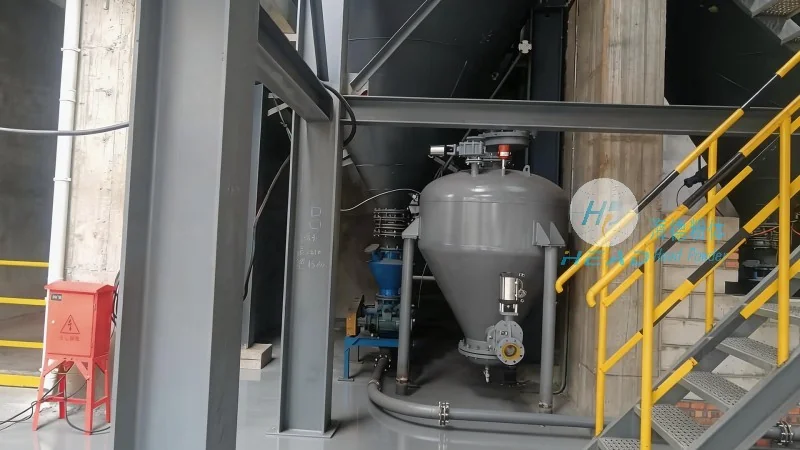
Implementing a pneumatic conveying system for sodium fluosilicate offers several advantages over traditional material handling methods. The most significant advantage is the reduction in dust and the elimination of manual handling, which improves workplace safety and reduces the risk of material exposure. Additionally, the system's ability to transport material over long distances without the need for intermediate storage points increases operational efficiency. However, there are also considerations to keep in mind when using such a system. For instance, the system requires regular maintenance to ensure that the components, especially the air filters and conveyor lines, are in good condition. This is because sodium fluosilicate can be abrasive and may cause wear on the system parts over time. Furthermore, the system's energy consumption must be managed to ensure cost-effectiveness, as the air supply unit can be a significant energy user. Despite these considerations, the benefits of using a pneumatic conveying system for sodium fluosilicate often outweigh the drawbacks, making it a preferred choice for many industries.
Conclusion and Company Overview
In conclusion, the principle and working scenario characteristics of a sodium fluosilicate pneumatic conveying system are centered on efficient, safe, and reliable material handling. The system's design, which takes into account the unique properties of sodium fluosilicate, ensures that it can operate effectively in various industrial applications. As a leading provider of engineering solutions for material handling, Shandong HeadPowder Engineering Co., Ltd. specializes in designing and manufacturing such systems tailored to the specific needs of their clients. With operations based in Shandong, China, the company leverages its expertise to deliver high-quality pneumatic conveying systems that meet the demands of modern industrial production. By understanding the principles and characteristics of these systems, industries can make informed decisions about their material handling strategies and improve overall operational efficiency.




