Shandong HeadPowder Engineering Co., Ltd., a leading manufacturer in the field of industrial material handling systems, specializes in the design, development, and supply of advanced pneumatic conveying equipment. The company, commonly known as headpowder, is headquartered in Shandong, China, and has established itself as a trusted partner for businesses requiring reliable and efficient solutions for transporting bulk materials, particularly in the chemical industry. This article focuses on the principle and working scene characteristics of sodium hydroxide pneumatic conveying system equipment, highlighting the technical aspects and practical applications that make such systems essential for modern industrial operations.
Principle of Sodium Hydroxide Pneumatic Conveying Systems
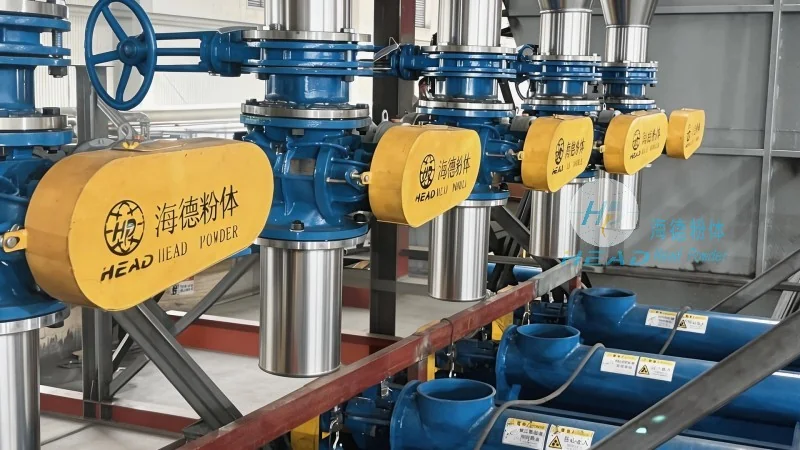
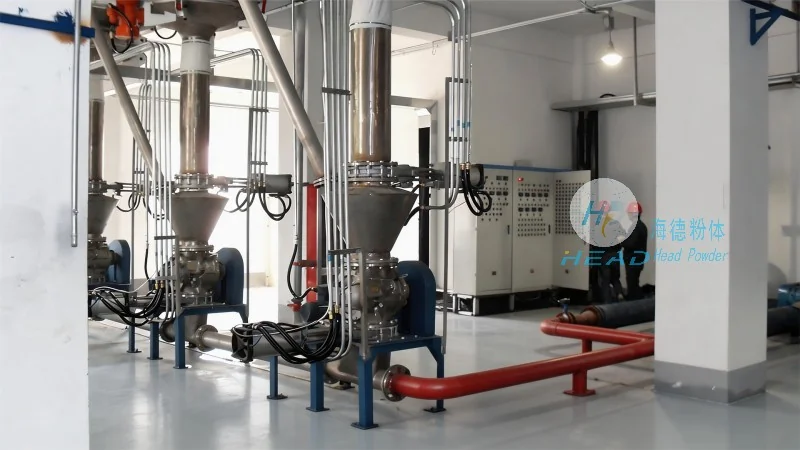
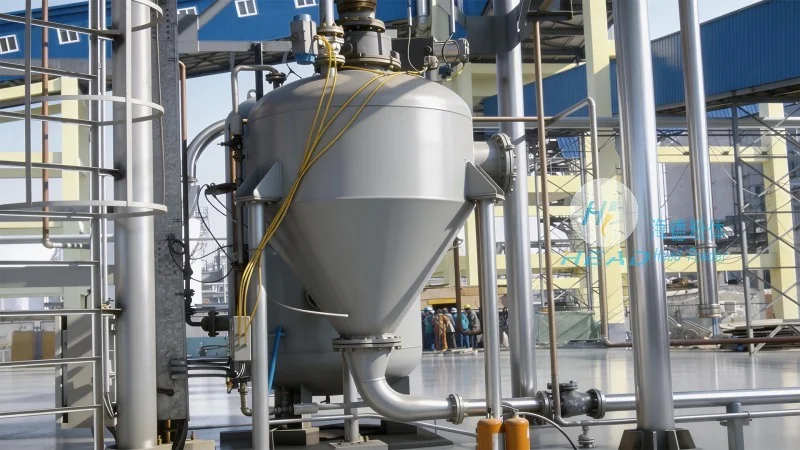
The sodium hydroxide pneumatic conveying system operates on the fundamental principle of transporting bulk materials through a pipeline using a gas stream. In this system, sodium hydroxide, typically in solid form such as flakes or pellets, is fed into a hopper or feeder. A fan or blower generates a high-velocity air stream that propels the material through the pipeline. The system can be categorized into two main types: positive pressure systems, where air is blown into the pipeline, and negative pressure (or suction) systems, where air is drawn out. The choice between these systems depends on factors like the material's properties, the distance to be conveyed, and the need for dust control. The core components of the system include the material feeder, the air compressor or vacuum pump, the conveying pipeline, and the discharge device. The feeder ensures a consistent flow of sodium hydroxide into the system, while the air compressor provides the necessary pressure or vacuum to move the material. The pipeline, often made of corrosion-resistant materials like stainless steel, is designed to withstand the chemical properties of sodium hydroxide and maintain the integrity of the material during transport. The discharge device, such as a rotary valve or a dust collector, controls the release of the material at the destination point. The system's efficiency is enhanced by the use of specialized components, including air locks and cyclone separators, which help in maintaining the flow rate and preventing material buildup or blockages. The pneumatic conveying process is characterized by its ability to handle fine powders and granules, making it ideal for sodium hydroxide, which is often used in its solid form in various chemical processes. The system's design ensures minimal material degradation and loss, as the material is transported in a closed system, reducing exposure to the environment and preventing contamination. Additionally, the system can be integrated with other process equipment, such as reactors or storage tanks, to form a seamless material handling solution. The control systems, including sensors and automation, allow for precise regulation of the conveying process, ensuring optimal performance and safety.
Working Scene Characteristics and Applications
The sodium hydroxide pneumatic conveying system is widely used in various industrial scenarios, particularly in the chemical manufacturing sector. One of the primary applications is in the production of caustic soda, where large quantities of sodium hydroxide are required for processes such as the chlor-alkali industry. The system's ability to handle high volumes of material efficiently makes it suitable for large-scale production facilities. In addition to chemical manufacturing, the system is also used in the food and pharmaceutical industries, where the purity and safety of the material are critical. The working scene characteristics of the system include its adaptability to different material forms, such as flakes, pellets, or powders, and its ability to transport materials over long distances without significant loss or degradation. The system is also designed to operate in environments where dust control is essential, as sodium hydroxide can be a respiratory irritant. The equipment is typically installed in enclosed areas or with dust collection systems to minimize the release of particles into the air. The working scene characteristics also include the system's flexibility in terms of integration with existing infrastructure. It can be retrofitted into existing plants or designed as a new installation, depending on the specific needs of the client. The system's reliability is a key characteristic, as it can operate continuously for extended periods without requiring frequent maintenance. The maintenance requirements are minimized through the use of durable materials and components, such as stainless steel pipelines and high-quality bearings, which are resistant to corrosion and wear. The system's energy efficiency is another important characteristic, as it uses less energy compared to traditional methods like belt conveyors or bucket elevators. The air consumption is optimized to ensure that the system operates at peak efficiency, reducing operational costs for the end-user. The working scene characteristics also include the system's ability to handle varying material flow rates, from low to high, depending on the production requirements. The control systems allow for dynamic adjustment of the conveying rate, ensuring that the system can respond to changes in production demand. The safety features of the system are also a significant characteristic, as it is designed to prevent accidents and ensure the well-being of the operators. The system includes safety valves, pressure relief devices, and emergency shut-off mechanisms to protect against overpressure or other hazards. The working scene characteristics further include the system's compliance with industry standards and regulations, such as those related to chemical handling and environmental protection. The equipment is manufactured to meet the requirements of relevant certifications, ensuring that it is safe and environmentally friendly to use. The system's design also considers the need for easy cleaning and maintenance, as sodium hydroxide can be corrosive and may require regular cleaning to prevent buildup on the equipment. The working scene characteristics of the sodium hydroxide pneumatic conveying system make it a versatile and essential component in modern industrial operations, providing efficient and reliable material handling solutions for a wide range of applications.




